Flat Feeding Drinking Line Price Guide: Advanced Systems for Modern Livestock Operations

Get a Free Quote

Our representative will contact you soon.
Email
Name
Company Name
Intended Products
Message
0/1000

flat feeding drinking line price

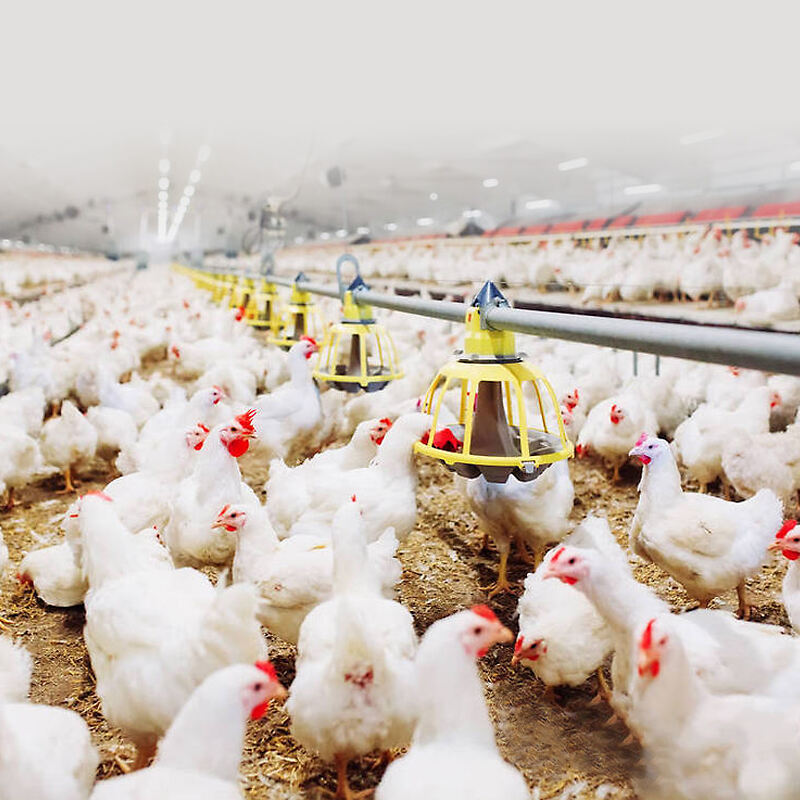
The flat feeding drinking line price represents a crucial investment consideration for modern poultry and livestock operations seeking efficient water delivery systems. These innovative feeding and watering solutions combine dual functionality in a streamlined design that maximizes space utilization while minimizing operational costs. Understanding the flat feeding drinking line price involves evaluating the comprehensive value proposition these systems offer to agricultural enterprises. The primary functions of flat feeding drinking lines encompass automated water distribution, controlled feed dispensing, and integrated monitoring capabilities that ensure optimal animal nutrition and hydration. These systems utilize advanced pressure regulation technology to maintain consistent water flow rates across extensive facility layouts, eliminating the need for multiple independent watering points. The technological features embedded within these lines include corrosion-resistant materials, precision-engineered nipple drinkers, and adjustable height mechanisms that accommodate various animal sizes and growth stages. Smart sensor integration allows real-time monitoring of consumption patterns, enabling operators to identify potential health issues or system malfunctions promptly. Applications span across diverse agricultural sectors, including commercial poultry farms, swine operations, dairy facilities, and specialty livestock breeding programs. The flat feeding drinking line price varies based on system complexity, installation requirements, facility size, and customization specifications. Modern installations incorporate antimicrobial surface treatments that reduce bacterial contamination risks, extending system longevity and improving animal health outcomes. Energy-efficient pumping systems minimize electricity consumption while maintaining optimal performance standards. Modular design components facilitate easy maintenance procedures and component replacement without disrupting entire facility operations. The comprehensive nature of flat feeding drinking line price considerations includes initial equipment costs, installation expenses, ongoing maintenance requirements, and long-term operational savings through improved feed conversion rates and reduced labor demands.

New Product Releases

The flat feeding drinking line price delivers exceptional value through multiple operational advantages that directly impact farm profitability and efficiency. These systems significantly reduce labor requirements by automating water distribution processes, allowing farm personnel to focus on other critical management tasks rather than manually filling individual waterers throughout the day. The consistent water pressure and flow rates ensure all animals receive adequate hydration regardless of their position along the line, eliminating competition for water access and reducing stress-related health issues. Cost-effectiveness emerges as a primary benefit when evaluating the flat feeding drinking line price against traditional watering methods, as these systems eliminate water waste through precision delivery mechanisms and leak-prevention technologies. Installation flexibility allows operators to customize configurations based on existing facility layouts without requiring extensive structural modifications, reducing overall implementation costs and minimizing operational disruptions during system deployment. The durability of modern flat feeding drinking lines translates into extended service life spans that justify the initial investment through reduced replacement frequency and lower maintenance expenses over time. Hygiene improvements represent another significant advantage, as enclosed delivery systems prevent contamination from external sources while automated cleaning cycles maintain optimal water quality standards. Temperature regulation features ensure consistent water temperatures year-round, improving animal comfort and consumption rates during extreme weather conditions. Monitoring capabilities integrated into advanced systems provide valuable data regarding consumption patterns, enabling operators to optimize feeding schedules and identify potential health concerns before they impact overall flock performance. Space optimization benefits allow maximum animal density without compromising access to essential resources, increasing facility productivity per square foot of available space. The scalability of these systems accommodates business growth by supporting additional capacity expansions without requiring complete system replacements. Environmental sustainability advantages include reduced water waste, lower energy consumption compared to traditional pumping systems, and minimized chemical treatment requirements through improved filtration technologies. The flat feeding drinking line price represents an investment in operational excellence that delivers measurable returns through improved animal performance, reduced operational costs, and enhanced management efficiency across all aspects of livestock production.

Practical Tips

What Do Farmers Often Overlook When Choosing a Pig Farrowing Crate Design?

28

Feb

What Do Farmers Often Overlook When Choosing a Pig Farrowing Crate Design?

Modern swine production demands careful consideration of every detail that affects animal welfare, operational efficiency, and profitability. When selecting the optimal pig farrowing crate design, farmers often focus on immediate cost factors while o...
View More
What Challenges Do Pig Farrowing Crates Create During Different Lactation Stages?

28

Feb

What Challenges Do Pig Farrowing Crates Create During Different Lactation Stages?

Pig farrowing crates represent one of the most critical components in modern swine production systems, yet they present numerous operational and welfare challenges throughout different lactation stages. These specialized housing units are designed to...
View More
Why is the accuracy of a continuous syringe vital for large-scale dosing?

31

Mar

Why is the accuracy of a continuous syringe vital for large-scale dosing?

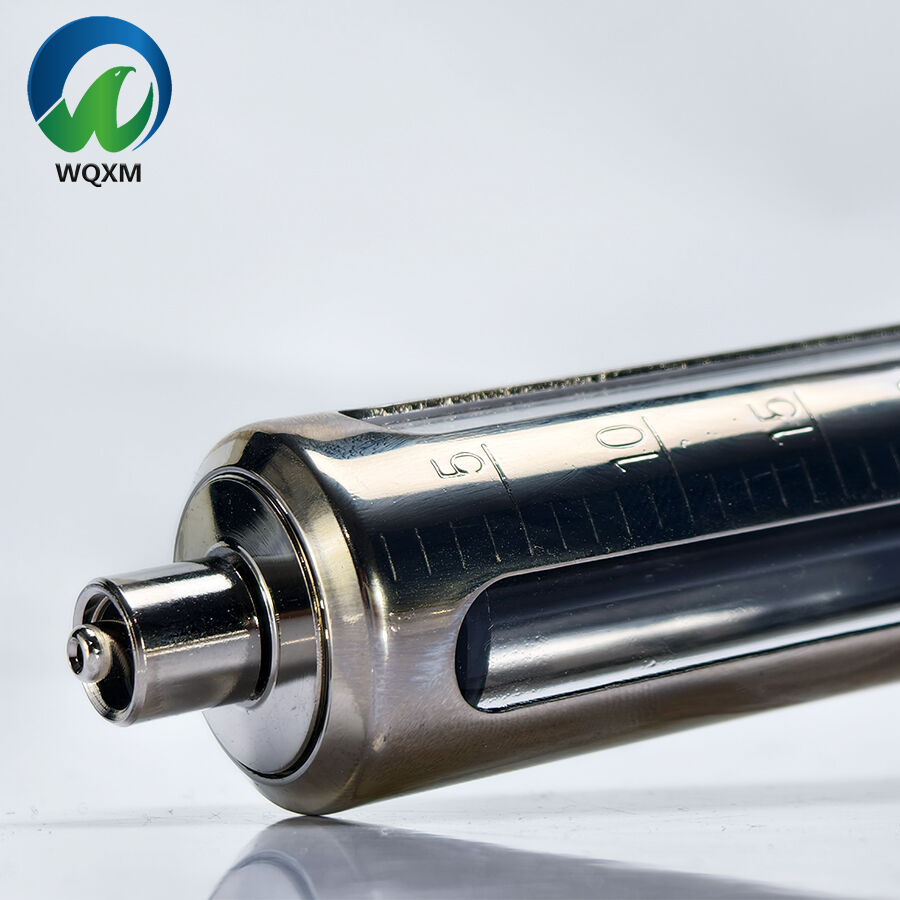
The precision of medication delivery in large-scale veterinary operations directly impacts animal health outcomes, treatment efficacy, and operational profitability. When administering vaccines, medications, or supplements to hundreds or thousands of...
View More
Does a constant-level animal drinking bowl improve livestock health?

31

Mar

Does a constant-level animal drinking bowl improve livestock health?

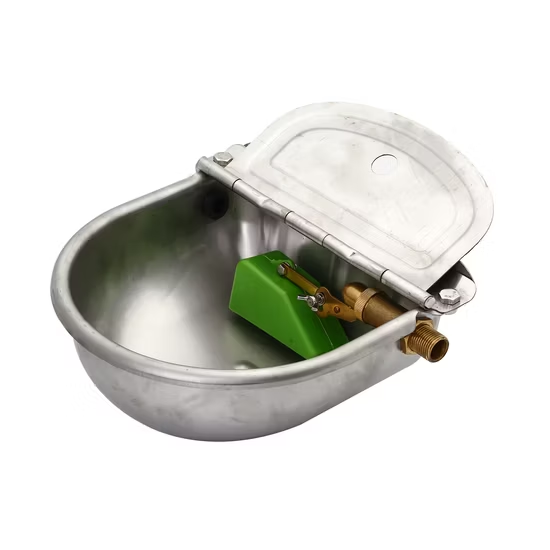
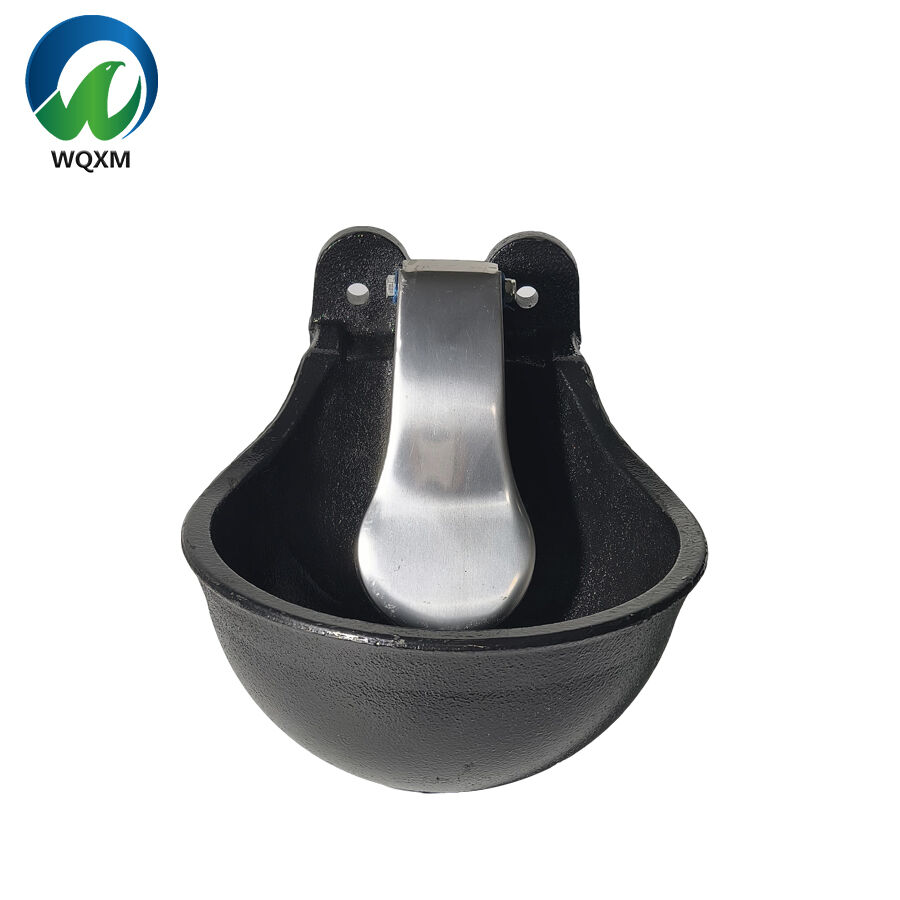
Livestock producers consistently seek practical solutions to improve animal health while reducing operational costs and labor requirements. A constant-level animal drinking bowl represents one such innovation that maintains consistent water access by...
View More

Get a Free Quote

Our representative will contact you soon.
Email
Name
Company Name
Intended Products
Message
0/1000

flat feeding drinking line price

Advanced Pressure Regulation Technology Optimizes Performance

Advanced Pressure Regulation Technology Optimizes Performance

The sophisticated pressure regulation technology incorporated into modern flat feeding drinking line systems represents a revolutionary advancement in livestock water delivery efficiency. This technology maintains consistent water pressure throughout the entire distribution network, ensuring every animal receives optimal water flow regardless of their position along the line or facility elevation changes. The pressure regulation system utilizes precision-engineered components that automatically adjust flow rates based on real-time demand fluctuations, preventing both water shortage scenarios and excessive flow situations that could lead to spillage and waste. Understanding the flat feeding drinking line price in relation to this technology reveals significant long-term value propositions for agricultural operations. The advanced pressure regulation eliminates the common problem of uneven water distribution that plagues traditional gravity-fed systems, where animals positioned at the end of lines often experience reduced water availability. This technology incorporates multiple pressure sensors strategically positioned throughout the system to monitor performance continuously and make instantaneous adjustments as needed. The result is improved animal welfare through consistent hydration access, reduced competition stress among livestock, and optimized water consumption patterns that support better growth rates and feed conversion efficiency. The investment in pressure regulation technology within the flat feeding drinking line price structure pays dividends through reduced water waste, lower utility costs, and improved animal performance metrics. Installation of these systems requires minimal facility modifications while providing maximum operational benefits. The technology adapts seamlessly to varying facility sizes and configurations, making it suitable for both small-scale operations and large commercial enterprises. Maintenance requirements remain minimal due to the robust construction and self-monitoring capabilities built into the pressure regulation components. The flat feeding drinking line price consideration becomes more attractive when operators recognize the substantial operational savings generated through optimized water management and improved livestock productivity enabled by this advanced pressure regulation technology.
Integrated Smart Monitoring Delivers Comprehensive Operational Insights

Integrated Smart Monitoring Delivers Comprehensive Operational Insights

The integrated smart monitoring capabilities built into contemporary flat feeding drinking line systems provide unprecedented operational visibility and control that transforms traditional livestock management approaches. These sophisticated monitoring technologies collect and analyze real-time data regarding water consumption patterns, system performance metrics, and animal behavior indicators that enable proactive management decisions. The flat feeding drinking line price incorporates these advanced monitoring features that deliver substantial value through improved operational efficiency and animal health management. Smart sensors positioned throughout the system continuously track water flow rates, pressure levels, temperature variations, and consumption volumes while transmitting this data to centralized management platforms accessible through mobile devices or computer interfaces. This comprehensive monitoring approach enables operators to identify potential issues before they escalate into costly problems, such as detecting early signs of disease outbreaks through abnormal consumption pattern changes or identifying system malfunctions that could disrupt water availability. The data analytics capabilities provide valuable insights into optimal feeding schedules, seasonal consumption variations, and individual animal performance trends that support informed management decisions. Automated alert systems notify operators immediately when parameters exceed predetermined thresholds, enabling rapid response to maintain optimal conditions. The monitoring technology also supports regulatory compliance by maintaining detailed consumption records and system performance logs that demonstrate adherence to animal welfare standards. Remote monitoring capabilities allow operators to oversee multiple facilities from centralized locations, reducing labor requirements while maintaining comprehensive oversight of all operations. The integration of artificial intelligence algorithms enhances the monitoring system's ability to predict maintenance requirements and optimize system performance based on historical data patterns. When evaluating the flat feeding drinking line price, the comprehensive monitoring capabilities represent a significant competitive advantage that justifies the investment through improved operational outcomes, reduced management overhead, and enhanced animal welfare standards that support sustainable agricultural practices and long-term business success.
Modular Design Flexibility Ensures Long-Term Adaptability

Modular Design Flexibility Ensures Long-Term Adaptability

The modular design architecture of modern flat feeding drinking line systems delivers exceptional flexibility and adaptability that accommodates evolving operational requirements and facility expansions throughout the system's operational lifetime. This innovative design approach breaks down complex water delivery systems into interchangeable components that can be easily reconfigured, expanded, or upgraded without requiring complete system replacement or extensive facility modifications. When considering the flat feeding drinking line price, the modular design represents a strategic investment that provides long-term value through sustained adaptability and reduced future upgrade costs. Each modular component functions independently while integrating seamlessly with other system elements, allowing operators to customize configurations based on specific facility layouts, animal types, and operational preferences. The modular approach facilitates incremental capacity expansions that support business growth without imposing prohibitive capital requirements or operational disruptions during installation phases. Component standardization across the modular system ensures compatibility between different manufacturers and simplifies maintenance procedures through reduced parts inventory requirements and streamlined technician training programs. The design flexibility enables operators to optimize system performance for different animal species or production phases by adjusting component configurations rather than investing in entirely separate systems. Quality control benefits emerge through the modular approach, as individual components undergo rigorous testing before integration into complete systems, ensuring reliable performance and reduced failure rates. The flat feeding drinking line price becomes more attractive when operators recognize the long-term cost savings generated through modular design benefits, including reduced maintenance complexity, simplified troubleshooting procedures, and enhanced system reliability. Installation flexibility allows these systems to accommodate challenging facility layouts, irregular building configurations, and space constraints that would otherwise require expensive custom solutions. Future technology upgrades integrate easily into existing modular frameworks, protecting the original investment while enabling operators to incorporate new innovations as they become available. The modular design approach also supports sustainable practices by enabling component recycling and refurbishment rather than complete system disposal at end-of-life, reducing environmental impact while maintaining cost-effectiveness throughout the system's extended operational period.
Tel Tel WhatApp WhatApp Email Email WeChat WeChat
WeChat