flat feeding drinking line manufacturer
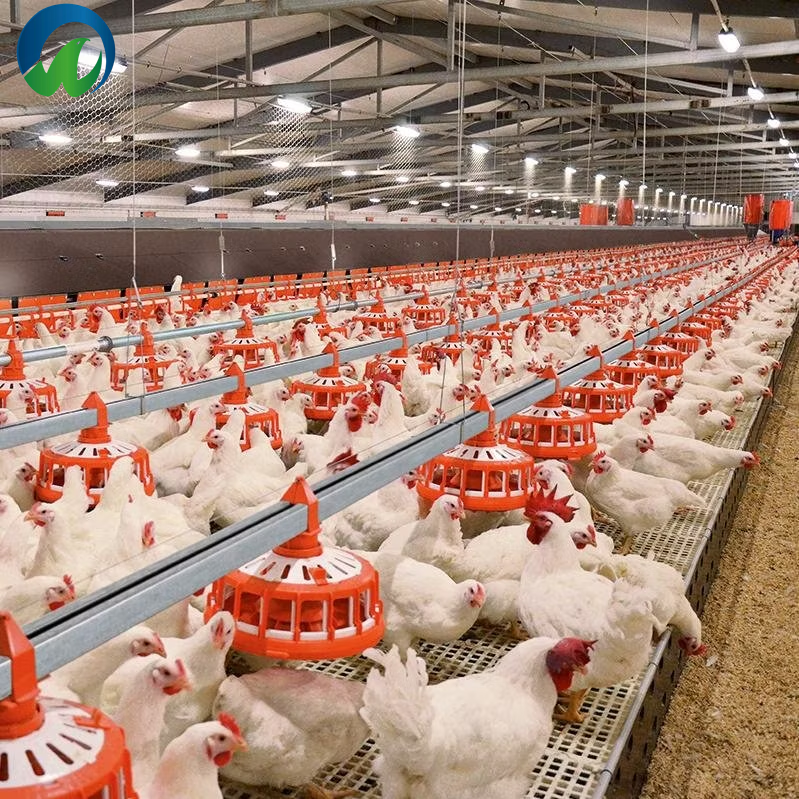
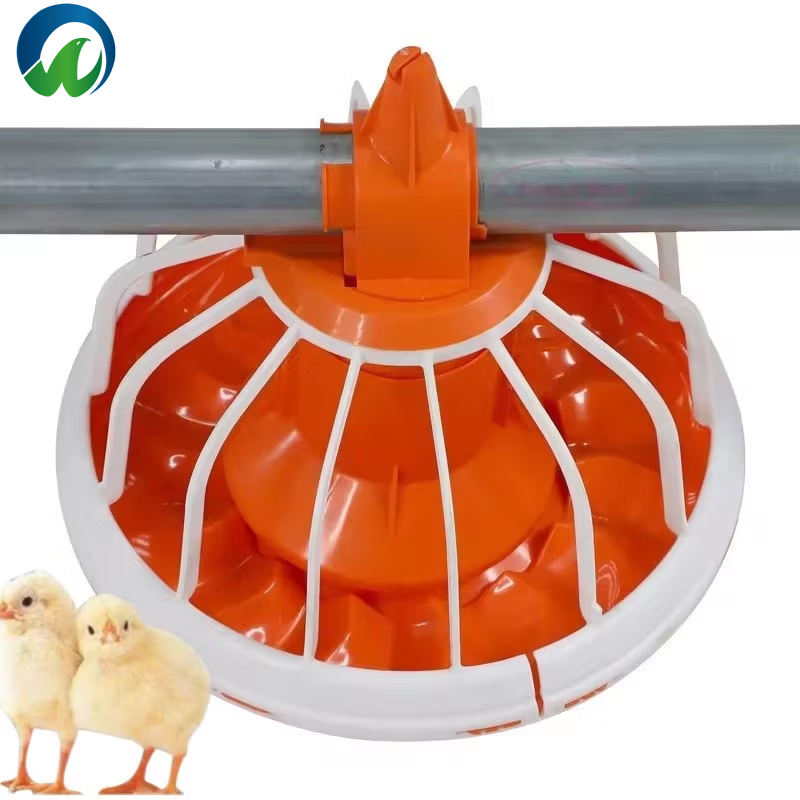
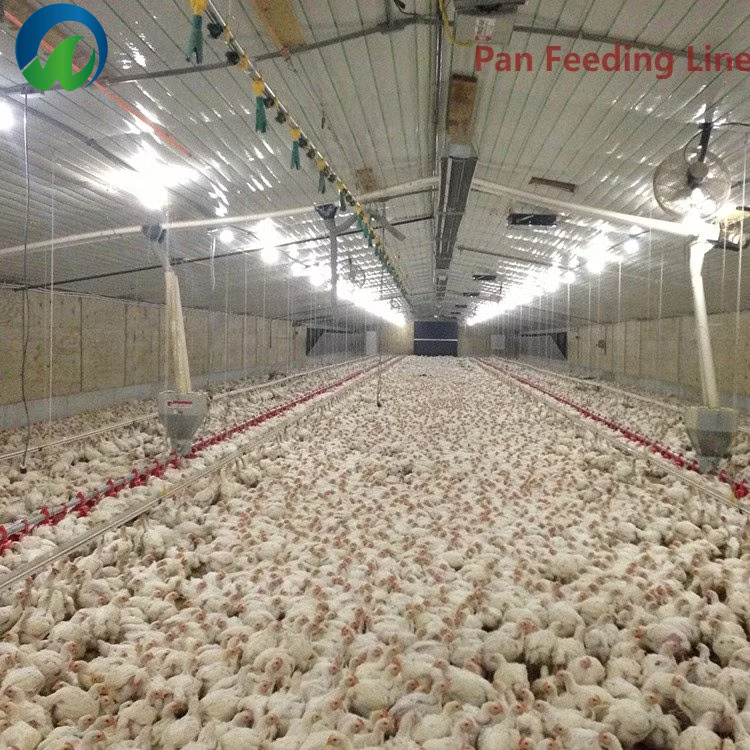
A flat feeding drinking line manufacturer specializes in producing innovative water delivery systems designed for poultry and livestock operations. These manufacturers create comprehensive solutions that combine feeding and drinking mechanisms into streamlined, efficient systems that maximize space utilization while ensuring optimal animal welfare. The flat feeding drinking line manufacturer develops products that feature low-profile designs, making them ideal for modern agricultural facilities where ceiling height and space optimization are critical considerations. These systems integrate advanced water distribution technology with feeding capabilities, creating dual-purpose infrastructure that reduces installation complexity and operational costs. The primary functions of products from a flat feeding drinking line manufacturer include precise water flow control, contamination prevention, and easy maintenance protocols. These systems typically incorporate adjustable height mechanisms, allowing farmers to customize the setup according to different animal sizes and growth stages. The technological features encompass leak-proof connections, corrosion-resistant materials, and pressure regulation systems that ensure consistent water delivery across entire installations. Modern flat feeding drinking line manufacturer products often include smart monitoring capabilities, enabling remote oversight of water consumption patterns and system performance metrics. Applications span across various agricultural sectors, including broiler farms, layer operations, swine facilities, and other livestock environments where efficient resource management is essential. The flat feeding drinking line manufacturer industry has evolved to address contemporary farming challenges, incorporating sustainable materials and energy-efficient designs that align with environmental regulations and cost-reduction objectives. These manufacturers typically offer customizable solutions, working closely with farmers to design systems that meet specific operational requirements, facility layouts, and production goals while maintaining compliance with industry standards and animal welfare regulations.
 EN
EN