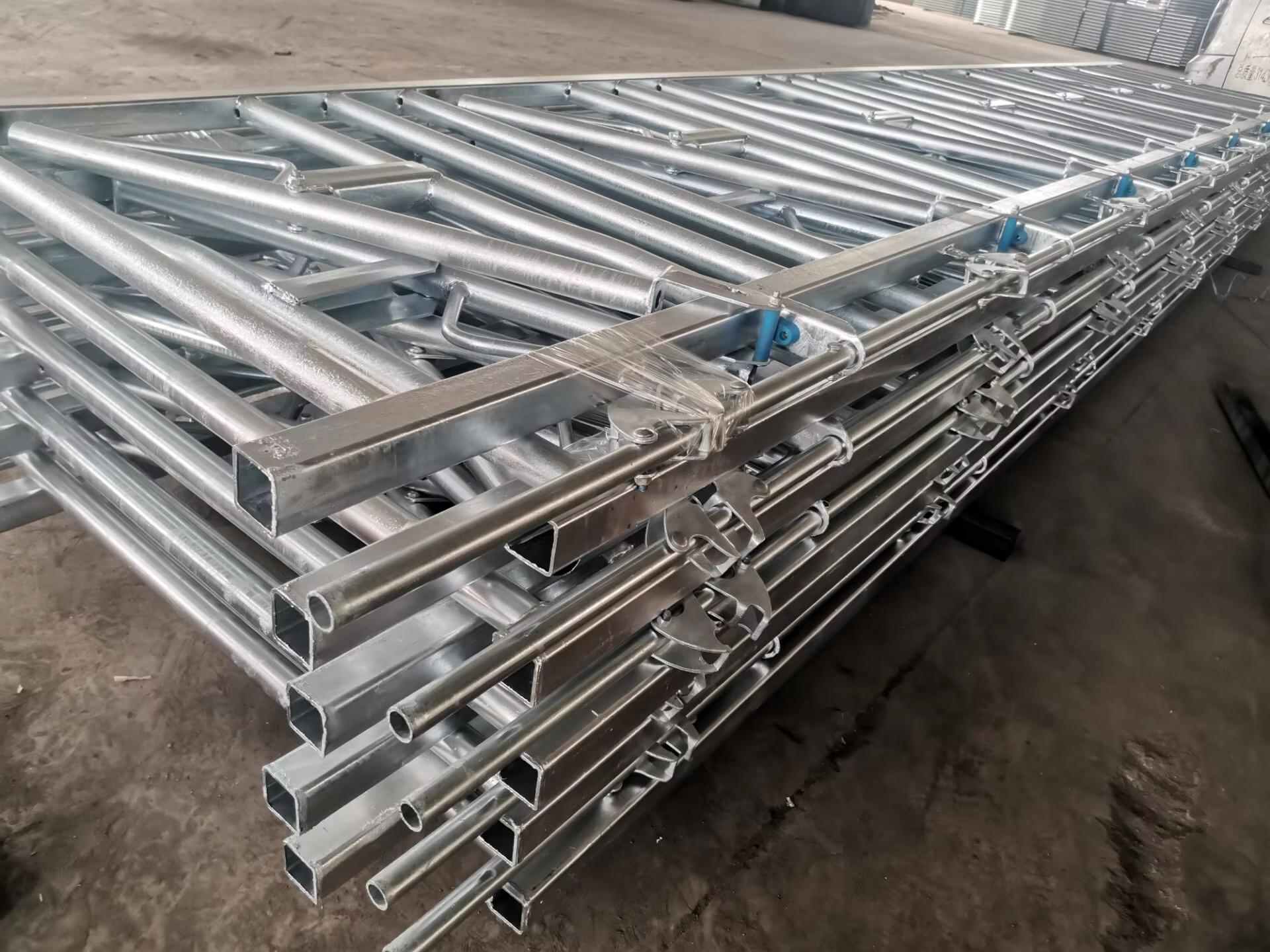
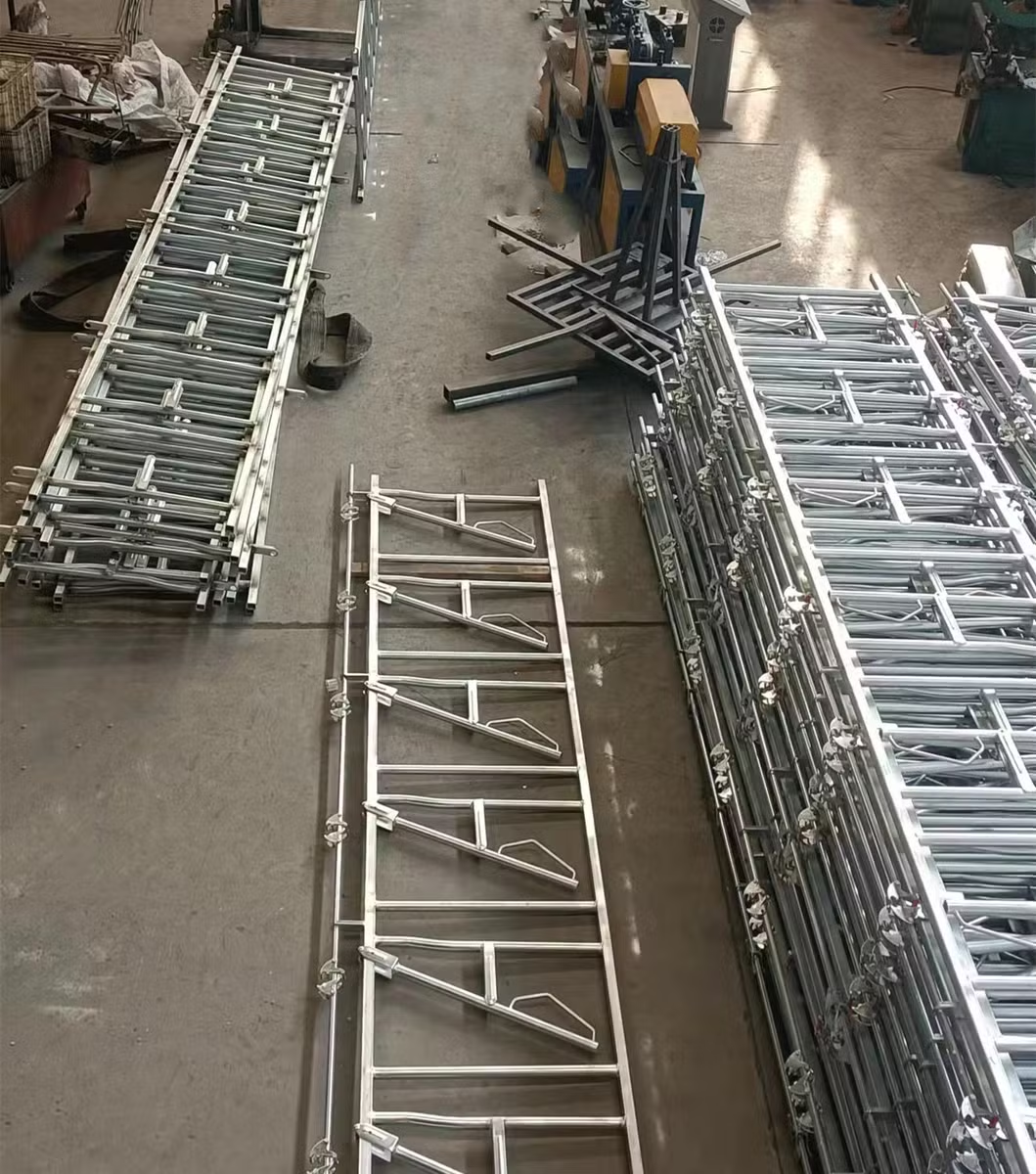
cattle headlock
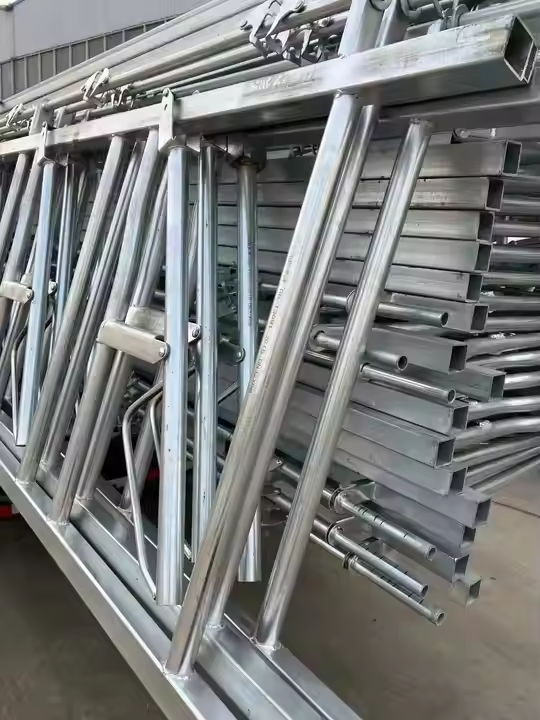
The cattle headlock represents a revolutionary advancement in livestock handling equipment, designed to enhance safety and efficiency in modern farming operations. This sophisticated restraint system serves multiple essential functions within agricultural settings, primarily focusing on securing cattle during veterinary procedures, feeding management, and routine maintenance tasks. The cattle headlock operates through a mechanical locking mechanism that gently but firmly holds the animal's head in position, preventing sudden movements that could endanger both livestock and handlers. Modern cattle headlock systems incorporate advanced engineering principles to ensure optimal animal welfare while maximizing operational effectiveness. The technological features of contemporary cattle headlock designs include adjustable sizing mechanisms to accommodate various cattle breeds, from smaller dairy cows to large beef cattle. These systems typically feature corrosion-resistant materials such as galvanized steel or powder-coated aluminum, ensuring longevity in harsh farm environments. The locking mechanism utilizes precision-engineered components that provide smooth operation and reliable engagement. Many cattle headlock systems now incorporate ergonomic design elements that reduce operator fatigue during extended use periods. The applications for cattle headlock systems extend across numerous agricultural scenarios, including milking parlors, veterinary examination areas, feeding stations, and transportation loading facilities. Dairy operations particularly benefit from cattle headlock integration in milking systems, where consistent positioning improves milking efficiency and reduces stress on animals. Veterinary applications rely heavily on cattle headlock systems for safe animal restraint during medical examinations, vaccinations, and minor surgical procedures. The cattle headlock has become indispensable in modern livestock management, offering farmers a reliable solution for maintaining control over their animals while prioritizing safety and animal welfare standards.
 EN
EN