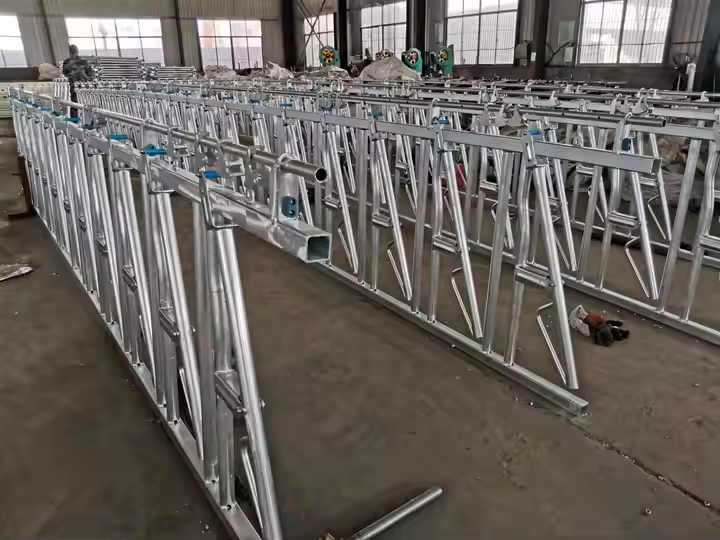
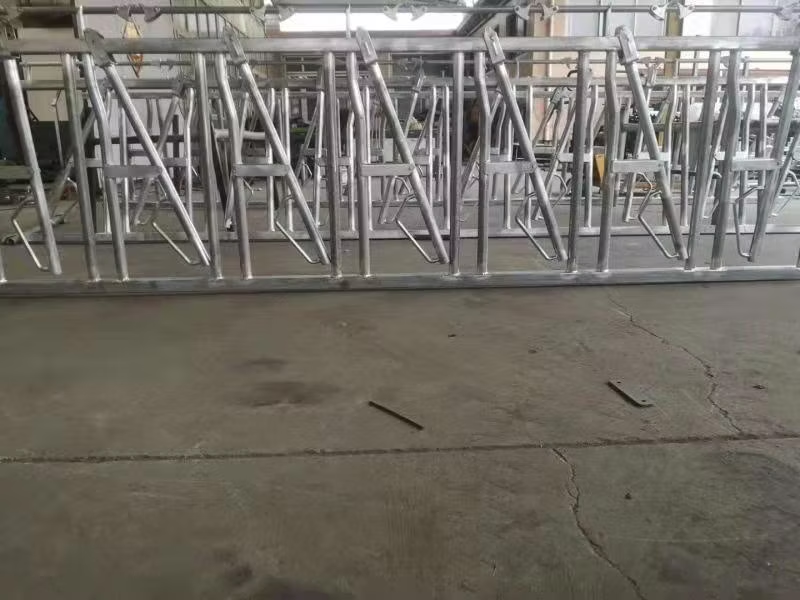
cattle necklock
The cattle necklock represents a revolutionary advancement in livestock management technology, designed to provide farmers and ranchers with comprehensive monitoring and control capabilities for their herds. This innovative device combines cutting-edge GPS tracking, health monitoring sensors, and wireless communication technology to create an all-in-one solution for modern cattle management. The cattle necklock serves multiple essential functions that transform traditional farming practices into data-driven operations. At its core, the system provides real-time location tracking, allowing farmers to monitor their animals' movements across vast pastures and immediately identify when cattle stray beyond designated boundaries. The device incorporates sophisticated health monitoring sensors that continuously track vital signs, activity levels, and behavioral patterns, enabling early detection of illness or distress. Advanced accelerometers and gyroscopes within the cattle necklock detect changes in movement patterns, feeding behaviors, and resting cycles, providing valuable insights into animal welfare and productivity. The technological features of the cattle necklock include a robust, weather-resistant design built to withstand harsh outdoor conditions and the physical demands of livestock environments. The device utilizes low-power consumption technology with extended battery life, ensuring continuous operation for weeks without maintenance. Wireless connectivity enables seamless data transmission to cloud-based platforms, where farmers can access comprehensive analytics and receive automated alerts. The applications of cattle necklock technology extend across various agricultural settings, from small family farms to large commercial ranching operations. Dairy farmers utilize the system to monitor breeding cycles and optimize milk production schedules. Beef cattle operations benefit from improved grazing management and theft prevention capabilities. The cattle necklock also supports sustainable farming practices by enabling precision agriculture techniques, rotational grazing optimization, and environmental impact monitoring, making it an indispensable tool for modern livestock management.
 EN
EN