Affordable Pig Auto Feeding Line: Advanced Automated Feeding Solutions for Modern Swine Farming Operations

Get a Free Quote

Our representative will contact you soon.
Email
Name
Company Name
Intended Products
Message
0/1000

affordable pig auto feeding line

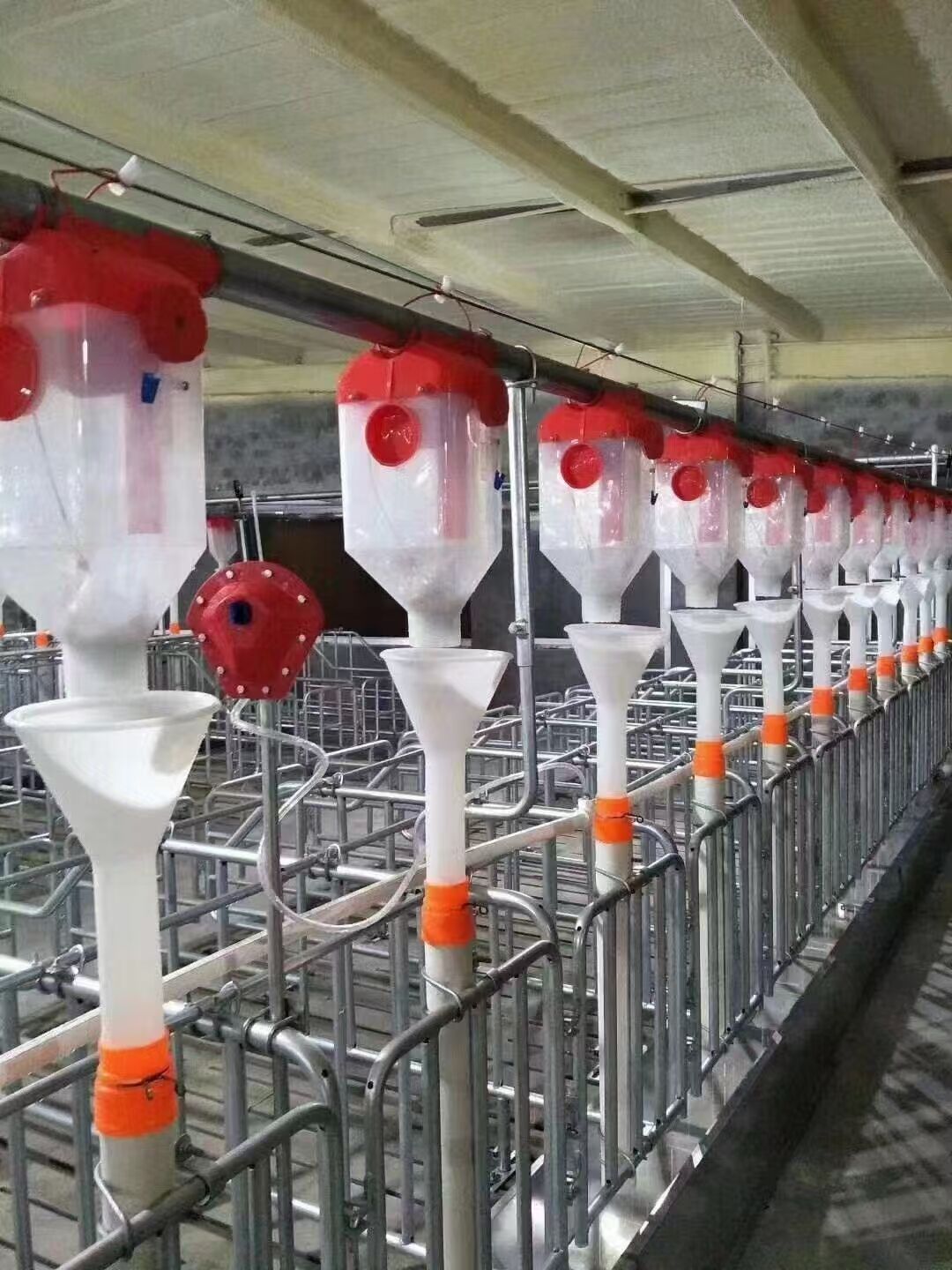
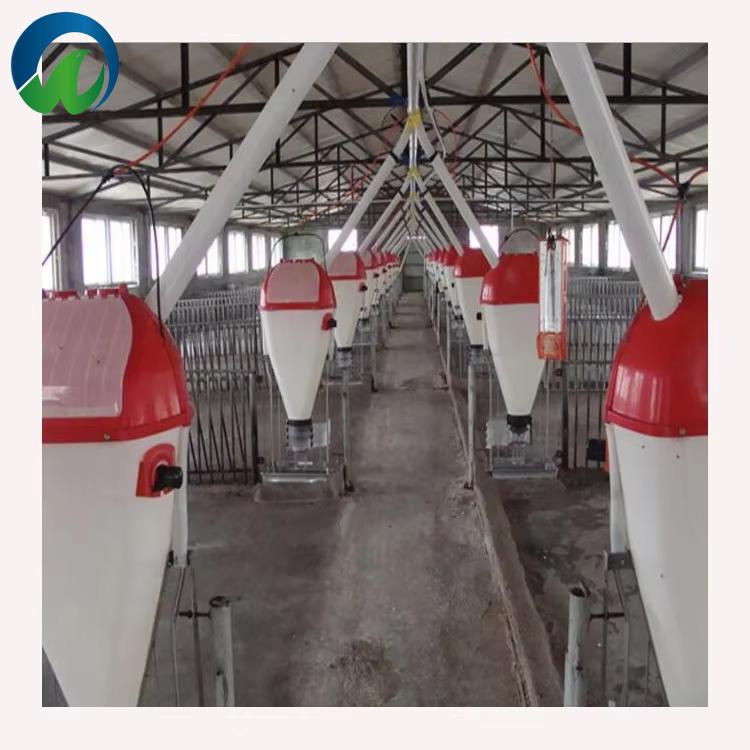
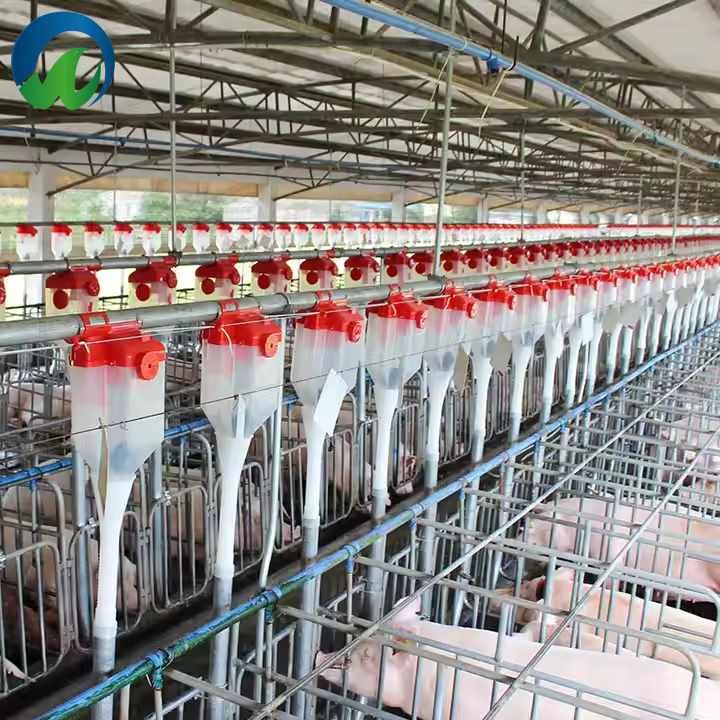
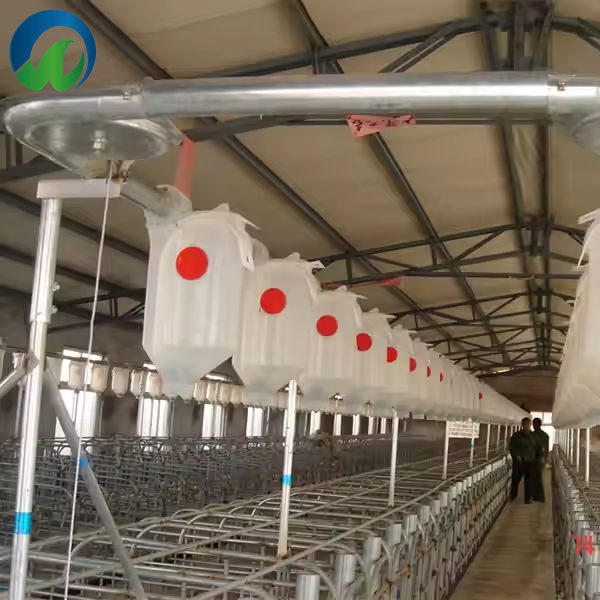
The affordable pig auto feeding line represents a revolutionary advancement in modern swine farming technology, designed to streamline feeding operations while maintaining cost-effectiveness for farmers of all scales. This comprehensive feeding system integrates sophisticated automation technology with practical design elements to deliver consistent, precise nutrition to pig populations throughout their growth cycles. The system encompasses multiple interconnected components including storage silos, conveyor mechanisms, distribution networks, and intelligent control units that work harmoniously to ensure optimal feeding efficiency. Modern affordable pig auto feeding line systems incorporate sensor technology that monitors feed levels, consumption patterns, and distribution timing to maintain consistent nutrition delivery. The technological framework includes programmable logic controllers that enable farmers to customize feeding schedules based on specific animal requirements, growth stages, and nutritional needs. These systems feature durable construction materials designed to withstand harsh agricultural environments while maintaining hygienic standards essential for livestock health. The feeding line operates through automated conveyor systems that transport feed from central storage locations to individual feeding stations, eliminating manual labor requirements and reducing operational costs. Smart monitoring capabilities allow real-time tracking of feed consumption, enabling farmers to adjust portions and identify potential health issues early. The affordable pig auto feeding line supports various feed types including pellets, mash, and liquid supplements, providing flexibility for different farming operations. Installation procedures are streamlined to minimize disruption to existing facilities, while modular designs allow for easy expansion as operations grow. Safety features include emergency stop mechanisms, overflow prevention systems, and maintenance alerts that ensure reliable operation. The system's user-friendly interface requires minimal training, making it accessible to farmers with varying technical backgrounds. Environmental considerations are integrated through reduced waste generation and improved feed conversion ratios, supporting sustainable farming practices while maintaining economic viability for agricultural operations.

New Product Recommendations

The affordable pig auto feeding line delivers substantial operational benefits that transform traditional farming practices into efficient, profitable enterprises. Labor cost reduction stands as the primary advantage, eliminating the need for manual feeding routines that typically consume significant daily work hours. Farmers can redirect human resources toward more strategic activities such as animal health monitoring, facility maintenance, and business development initiatives. Feed waste reduction represents another crucial benefit, as precision dispensing mechanisms ensure accurate portion control that minimizes spillage and overconsumption. This efficiency translates directly into cost savings, as feed typically constitutes the largest expense category in pig farming operations. Consistency in feeding schedules promotes better animal growth rates and health outcomes, as pigs receive nutrition at optimal intervals without human error or schedule variations. The automated system operates continuously, providing reliable service even during weekends, holidays, or staff shortages that might otherwise disrupt feeding routines. Improved feed conversion ratios result from precise nutrition delivery, enabling farmers to achieve target weights with reduced feed quantities compared to manual feeding methods. Data collection capabilities provide valuable insights into consumption patterns, allowing farmers to optimize nutrition strategies and identify potential health issues before they become serious problems. Scalability advantages enable operations to expand without proportional increases in labor requirements, supporting business growth while maintaining operational efficiency. Hygiene improvements reduce contamination risks associated with manual handling, supporting animal health and meeting food safety standards required by regulatory agencies. Time savings allow farmers to focus on strategic planning, market analysis, and facility improvements that contribute to long-term business success. The system's reliability reduces stress for farmers who no longer need to worry about feeding schedules during personal time or travel. Energy efficiency features minimize operational costs while supporting environmental sustainability goals. Maintenance requirements are minimal compared to traditional feeding methods, reducing both direct costs and operational disruptions. Investment returns typically materialize within the first operational year through combined savings in labor, feed efficiency, and improved production outcomes.

Latest News

How to Select the Right Slat Floor for Your Needs

30

Dec

How to Select the Right Slat Floor for Your Needs

Understanding Slat Floors and Their Core Applications Slat Floors 101: Core Features and Construction Slat floors—defined by their spaced-slat design—are engineered for superior drainage and ventilation, making them indispensable in in...
View More
What Are the Best Design Features of Chicken Transport Crates?

05

Jan

What Are the Best Design Features of Chicken Transport Crates?

Modern Poultry Transport: Key Design Elements of Chicken Transport Crates The transportation of live poultry requires carefully engineered solutions that prioritize both animal welfare and operational efficiency. Chicken transport crates have evolve...
View More
What Challenges Do Pig Farrowing Crates Create During Different Lactation Stages?

28

Feb

What Challenges Do Pig Farrowing Crates Create During Different Lactation Stages?

Pig farrowing crates represent one of the most critical components in modern swine production systems, yet they present numerous operational and welfare challenges throughout different lactation stages. These specialized housing units are designed to...
View More
How does a flat feeding drinking line optimize floor space in poultry houses?

31

Mar

How does a flat feeding drinking line optimize floor space in poultry houses?

Modern poultry operations face increasing pressure to maximize production efficiency while maintaining optimal bird welfare standards. The strategic use of floor space has become a critical factor in determining the economic viability of commercial p...
View More

Get a Free Quote

Our representative will contact you soon.
Email
Name
Company Name
Intended Products
Message
0/1000

affordable pig auto feeding line

Revolutionary Precision Feeding Technology

Revolutionary Precision Feeding Technology

The affordable pig auto feeding line incorporates cutting-edge precision feeding technology that fundamentally transforms how farmers manage nutrition delivery to their livestock. This sophisticated system utilizes advanced sensor networks and programmable dispensing mechanisms to deliver exact feed quantities based on predetermined schedules and individual animal requirements. The precision technology eliminates guesswork from feeding routines, ensuring that each pig receives optimal nutrition portions at consistent intervals throughout the day. Smart sensors continuously monitor feed levels in storage containers and distribution lines, automatically triggering refill cycles and preventing shortages that could disrupt feeding schedules. The system's programmable logic controllers allow farmers to create customized feeding programs that accommodate different growth stages, from weaning piglets to market-ready animals. Weight-based dispensing ensures accurate portion control, reducing both underfeeding that could slow growth rates and overfeeding that increases costs and waste generation. Real-time monitoring capabilities provide instant feedback on consumption patterns, enabling farmers to identify animals with reduced appetite that might indicate health issues requiring immediate attention. The technology supports multiple feed types including dry pellets, wet mash, and liquid supplements, providing flexibility to adapt nutrition programs based on availability, cost considerations, and specific dietary requirements. Automated mixing capabilities ensure consistent feed quality when combining multiple ingredients, eliminating variations that might occur with manual preparation methods. The system's data logging features create comprehensive feeding records that support regulatory compliance and provide valuable information for optimizing nutrition strategies over time. Environmental sensors adjust feeding schedules based on temperature and humidity conditions that might affect animal appetite and consumption patterns. Emergency override functions allow manual intervention when necessary while maintaining safety protocols and preventing system damage. Integration capabilities enable connection with existing farm management software, creating comprehensive operational dashboards that provide holistic insights into farm performance and efficiency metrics.
Cost-Effective Investment with Rapid ROI

Cost-Effective Investment with Rapid ROI

The affordable pig auto feeding line represents an exceptional investment opportunity that delivers measurable returns within remarkably short timeframes, making it accessible to farming operations across various scales and financial capacities. The system's cost-effectiveness stems from its ability to simultaneously reduce multiple expense categories while improving revenue-generating outcomes through enhanced production efficiency. Labor cost reductions provide immediate and ongoing savings, as automated feeding eliminates the need for dedicated staff to perform manual feeding routines multiple times daily throughout the year. Feed efficiency improvements contribute substantial ongoing savings, as precision dispensing reduces waste by up to thirty percent compared to traditional feeding methods, directly impacting the largest operational expense in pig farming. Improved growth rates and feed conversion ratios enable farmers to achieve target market weights with reduced feed inputs and shorter production cycles, increasing turnover rates and overall profitability. The system's durability and reliability minimize maintenance costs and replacement expenses that typically affect manual feeding equipment, providing long-term value retention. Energy efficiency features reduce utility costs through optimized motor operations and smart scheduling that avoids peak-rate electricity consumption periods. Installation flexibility allows farmers to implement the system in phases, spreading initial investment costs while beginning to realize benefits immediately from completed sections. Financing options and equipment leasing programs make the technology accessible to operations with limited capital availability, enabling smaller farms to compete with larger industrial operations. The system's modular design supports gradual expansion as operations grow, allowing farmers to scale their investment in alignment with business development and cash flow availability. Reduced veterinary costs result from improved animal health outcomes associated with consistent nutrition delivery and early problem detection through consumption monitoring. Insurance benefits may be available for operations implementing automated systems that reduce risk factors and improve operational safety standards. Tax advantages and agricultural equipment depreciation schedules enhance the financial attractiveness of the investment while supporting long-term business planning objectives. Market value appreciation for farms equipped with modern automation technology provides additional return on investment through increased property valuations and improved sale prospects.
Intelligent Automation and Smart Farm Integration

Intelligent Automation and Smart Farm Integration

The affordable pig auto feeding line showcases advanced intelligent automation capabilities that seamlessly integrate with modern smart farming ecosystems, positioning operations at the forefront of agricultural technology innovation. This comprehensive automation platform extends far beyond simple feed dispensing to encompass sophisticated farm management functions that optimize overall operational efficiency. The system's artificial intelligence algorithms continuously learn from feeding patterns, consumption data, and environmental conditions to automatically adjust feeding schedules and portion sizes for maximum efficiency. Cloud-based connectivity enables remote monitoring and control through smartphone applications, allowing farmers to manage feeding operations from any location with internet access. Integration with weather monitoring systems automatically adjusts feeding schedules based on temperature fluctuations and seasonal changes that affect animal appetite and consumption patterns. Predictive maintenance algorithms analyze system performance data to identify potential equipment issues before failures occur, minimizing downtime and preventing costly emergency repairs. The intelligent automation communicates with barn environmental controls to coordinate feeding times with ventilation cycles, temperature adjustments, and lighting schedules for optimal animal comfort. Data analytics capabilities generate comprehensive reports on feed efficiency, growth rates, and consumption trends that support strategic decision-making and performance optimization. Machine learning algorithms identify individual animal feeding preferences and health indicators, enabling personalized nutrition programs that maximize growth potential. Automated inventory management tracks feed consumption rates and predicts future requirements, generating purchase orders and supplier communications to prevent stockouts. Integration with livestock management software creates unified operational dashboards that provide real-time insights into all aspects of farm performance. The system supports multi-site operations through centralized control platforms that enable management of multiple locations from single interfaces. Compliance automation generates required regulatory reports and maintains feeding records that satisfy inspection requirements without manual documentation efforts. Voice command capabilities and gesture recognition provide intuitive control options that simplify system operation for users with varying technical backgrounds. Cybersecurity features protect operational data and prevent unauthorized access to critical farming systems, ensuring operational integrity and data privacy protection throughout the intelligent automation network.
Tel Tel WhatApp WhatApp Email Email WeChat WeChat
WeChat