Advanced Pig Auto Feeding Line Systems - Automated Swine Feeding Solutions for Modern Farms

Get a Free Quote

Our representative will contact you soon.
Email
Name
Company Name
Intended Products
Message
0/1000

pig auto feeding line

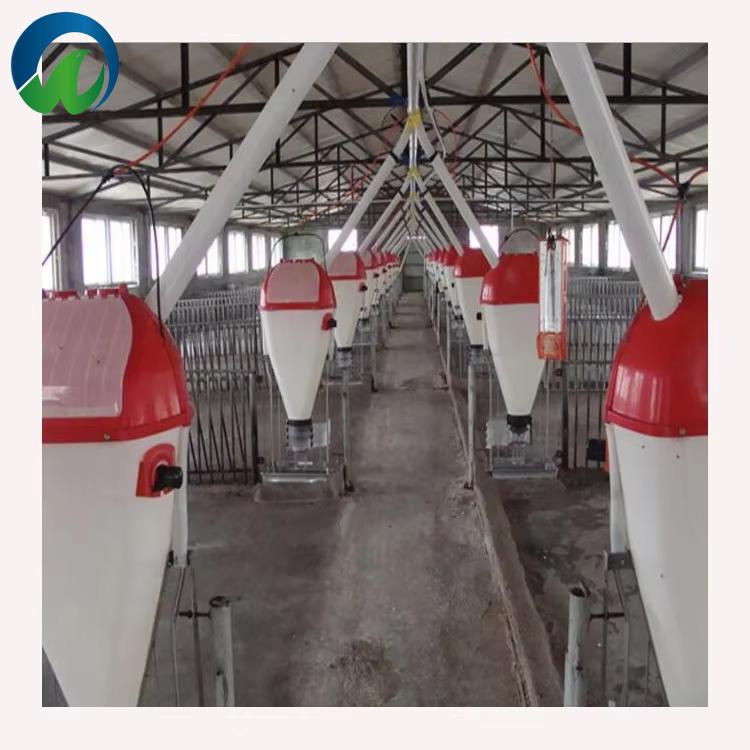
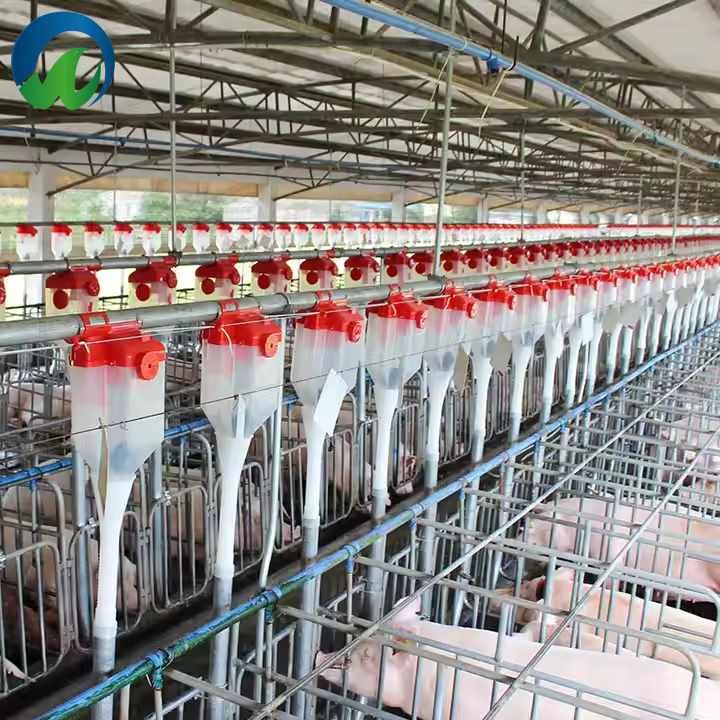
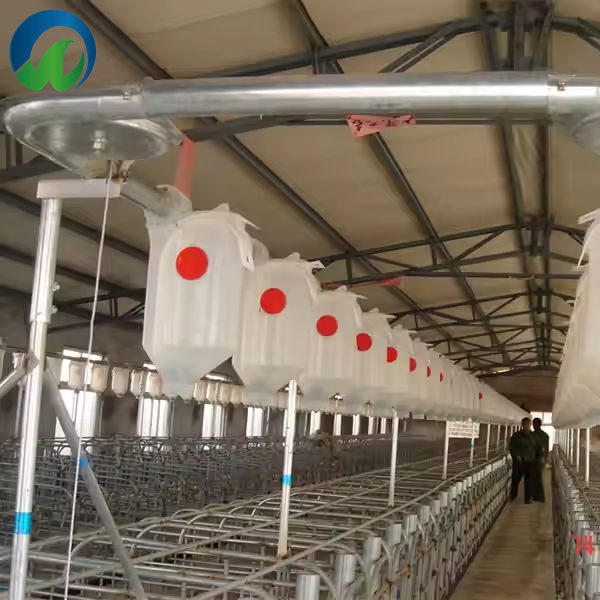
A pig auto feeding line represents a revolutionary advancement in modern swine farming operations, designed to streamline the feeding process while maximizing efficiency and animal welfare. This sophisticated system integrates cutting-edge technology with practical engineering solutions to deliver precise nutrition management for commercial pig farming facilities. The pig auto feeding line encompasses a comprehensive network of components including automated feed distribution mechanisms, precision dosing equipment, computerized control systems, and monitoring devices that work together seamlessly. The main functions of a pig auto feeding line include automated feed preparation, precise portion control, scheduled feeding cycles, and real-time monitoring of consumption patterns. The system can handle multiple feed types simultaneously, adjusting nutritional content based on animal age, weight, and specific dietary requirements. Advanced pig auto feeding line systems incorporate sensors that detect feed levels, monitor animal behavior, and track consumption rates to optimize feeding schedules. Technological features of modern pig auto feeding line installations include programmable logic controllers that manage feeding sequences, RFID tracking systems for individual animal identification, and data logging capabilities that record feeding history and performance metrics. The system typically features stainless steel construction for durability and hygiene compliance, variable speed motors for precise feed delivery, and emergency backup systems to ensure continuous operation. Integration with farm management software allows operators to monitor multiple pig auto feeding line installations remotely, analyzing performance data and adjusting parameters in real-time. Applications for pig auto feeding line systems span across various farming operations, from small-scale family farms to large commercial breeding facilities. These systems prove particularly valuable in nursery operations, finishing barns, and breeding facilities where consistent nutrition delivery directly impacts growth rates and production outcomes. The pig auto feeding line technology adapts to different housing configurations, supporting both individual pen feeding and group feeding arrangements while maintaining precise portion control and minimizing feed waste throughout the entire operation.

New Products

The pig auto feeding line delivers substantial operational advantages that transform traditional farming practices into efficient, profitable enterprises. Labor cost reduction stands as the most immediate benefit, as the pig auto feeding line eliminates the need for manual feed preparation and distribution tasks that typically consume several hours daily. Farm operators can redirect their workforce toward higher-value activities such as animal health monitoring, facility maintenance, and strategic planning, significantly improving overall productivity. Feed waste reduction represents another critical advantage of implementing a pig auto feeding line system. Traditional manual feeding methods often result in spillage, contamination, and overfeeding, leading to substantial financial losses over time. The pig auto feeding line delivers precise portions directly to designated feeding areas, minimizing waste and ensuring optimal feed conversion ratios. This precision translates into measurable cost savings, often recovering the initial investment within the first operational year. Consistency in feeding schedules becomes effortlessly achievable with a pig auto feeding line installation. Animals receive their nutrition at predetermined intervals, promoting better digestion, improved growth rates, and reduced stress levels. This regularity contributes to enhanced animal welfare standards while supporting optimal production performance across the entire herd. The pig auto feeding line also enables superior nutritional management through programmable feeding protocols. Operators can customize feed formulations for different animal groups, adjusting protein levels, vitamins, and minerals based on specific growth stages or production requirements. This flexibility ensures that each animal receives appropriate nutrition, maximizing genetic potential and production efficiency. Data collection capabilities inherent in modern pig auto feeding line systems provide valuable insights into consumption patterns, growth trends, and overall herd health indicators. This information supports informed decision-making regarding breeding programs, health interventions, and production optimization strategies. Hygiene improvements represent another significant advantage, as the pig auto feeding line reduces human contact with feed materials and minimizes contamination risks. Automated systems maintain cleaner feeding environments, supporting better animal health outcomes and reducing veterinary costs. The pig auto feeding line also provides operational flexibility, allowing adjustments to feeding schedules, portion sizes, and nutritional content without disrupting daily routines. This adaptability proves essential during seasonal changes, market fluctuations, or unexpected circumstances that require immediate operational modifications.

Latest News

How do livestock farms choose goat slat floors for hygiene control?

29

Jan

How do livestock farms choose goat slat floors for hygiene control?

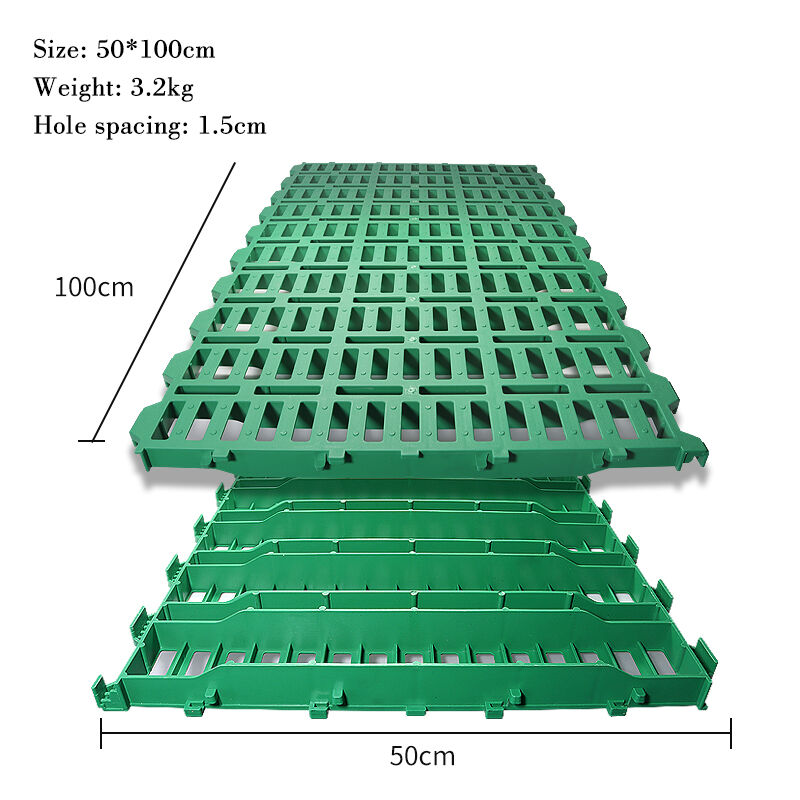
Modern livestock farming demands innovative solutions to maintain optimal hygiene standards while ensuring animal welfare and operational efficiency. The selection of appropriate flooring systems has become a critical decision for farmers seeking to ...
View More
How are chicken transport crates customized for export requirements?

29

Jan

How are chicken transport crates customized for export requirements?

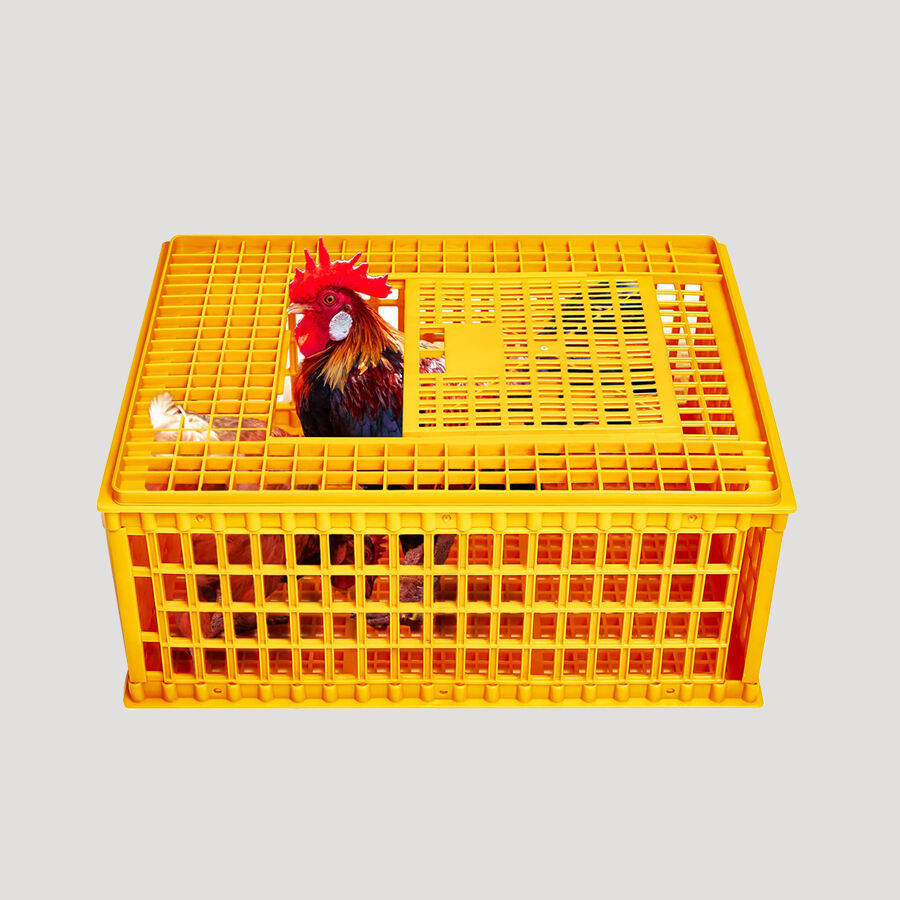
The global poultry industry relies heavily on specialized transportation solutions to ensure the safe and humane movement of live chickens across international borders. A well-designed chicken transport crate serves as the foundation for successful e...
View More
How do farms select cattle drinking bowls for automated systems?

29

Jan

How do farms select cattle drinking bowls for automated systems?

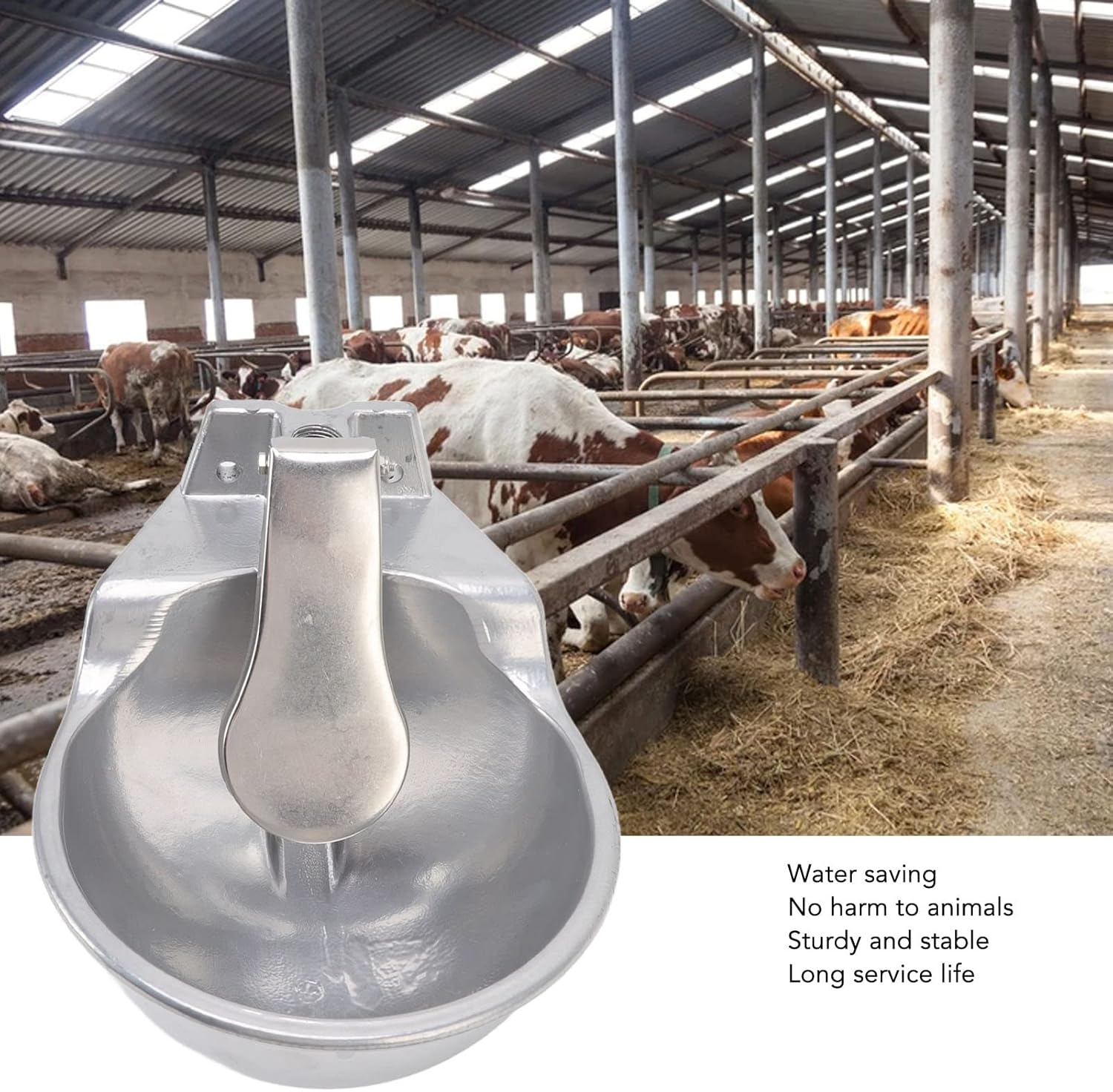
Modern dairy and beef operations increasingly rely on automated watering systems to ensure consistent hydration for their livestock. The selection of an appropriate cattle drinking bowl represents a critical decision that directly impacts animal welf...
View More
Why is the accuracy of a continuous syringe vital for large-scale dosing?

31

Mar

Why is the accuracy of a continuous syringe vital for large-scale dosing?

The precision of medication delivery in large-scale veterinary operations directly impacts animal health outcomes, treatment efficacy, and operational profitability. When administering vaccines, medications, or supplements to hundreds or thousands of...
View More

Get a Free Quote

Our representative will contact you soon.
Email
Name
Company Name
Intended Products
Message
0/1000

pig auto feeding line

Precision Feed Management Technology

Precision Feed Management Technology

The precision feed management technology integrated within modern pig auto feeding line systems represents a paradigm shift from traditional feeding methods to scientifically-driven nutrition delivery. This sophisticated technology employs advanced weighing mechanisms, computerized control systems, and real-time monitoring capabilities to ensure each animal receives exactly the right amount of nutrition at precisely the right time. The pig auto feeding line utilizes load cells and digital scales that measure feed quantities with gram-level accuracy, eliminating guesswork and reducing costly feeding errors that commonly occur with manual feeding approaches. The system continuously monitors feed consumption rates, automatically adjusting portion sizes based on predetermined parameters such as animal weight, age, breed characteristics, and production goals. This level of precision proves particularly valuable in commercial operations where even small improvements in feed conversion ratios translate into significant financial benefits over time. The pig auto feeding line technology incorporates sophisticated algorithms that analyze historical consumption data, identifying patterns and trends that inform future feeding decisions. For instance, the system can detect when animals consume feed more slowly, potentially indicating health issues or environmental stress factors that require attention. This early warning capability enables proactive management interventions that prevent minor problems from developing into serious health or production challenges. Additionally, the precision feed management technology within the pig auto feeding line supports multiple feed formulations simultaneously, automatically switching between different nutritional profiles based on programmed schedules or manual operator commands. This flexibility proves essential for operations managing different animal groups with varying nutritional requirements, such as pregnant sows, growing pigs, and finishing animals. The system maintains detailed records of all feeding activities, creating comprehensive audit trails that support quality assurance programs, regulatory compliance requirements, and performance analysis initiatives. Farm operators can access this information through user-friendly interfaces, generating reports that demonstrate feeding efficiency, cost management, and production optimization metrics. The precision feed management technology also includes fail-safe mechanisms that prevent overfeeding incidents while ensuring animals receive minimum nutritional requirements even during equipment maintenance periods.
Labor Efficiency and Operational Automation

Labor Efficiency and Operational Automation

Labor efficiency and operational automation capabilities of the pig auto feeding line fundamentally transform workforce management within modern swine operations, delivering substantial productivity improvements and cost reductions. Traditional feeding methods require significant manual labor for feed preparation, transportation, distribution, and cleanup activities that consume several hours daily across large commercial facilities. The pig auto feeding line eliminates these time-intensive tasks through comprehensive automation that handles every aspect of the feeding process from initial feed storage to final delivery at individual feeding stations. This automation extends beyond simple feed distribution, encompassing inventory monitoring, quality control checks, and maintenance scheduling that ensures consistent system performance with minimal human intervention. The pig auto feeding line incorporates intelligent scheduling systems that coordinate feeding cycles across multiple barns or production areas, optimizing workflow efficiency and reducing the number of staff members required for daily operations. Employees can focus their efforts on higher-value activities such as animal health assessment, facility maintenance, breeding program management, and strategic planning initiatives that contribute more directly to operational profitability. The system provides remote monitoring capabilities that enable supervisors to oversee multiple pig auto feeding line installations from centralized control rooms, reducing the need for constant physical presence in production areas. This remote management capability proves particularly valuable during adverse weather conditions, night shifts, or holiday periods when maintaining full staffing levels becomes challenging. The pig auto feeding line also includes automated cleaning cycles that sanitize feeding equipment and distribution lines, maintaining hygiene standards without requiring manual cleaning procedures that expose workers to potentially hazardous environments. Safety improvements represent another significant benefit, as the automation reduces worker exposure to heavy lifting, repetitive motions, and direct contact with animals during feeding activities. The pig auto feeding line technology incorporates user-friendly interfaces that require minimal training for operation and maintenance, enabling existing staff to quickly adapt to automated systems without extensive retraining programs. Additionally, the system generates detailed operational reports that help managers optimize workforce allocation, identify training opportunities, and plan for future expansion projects that maximize return on investment while maintaining operational excellence throughout the entire facility.

Enhanced Animal Welfare and Health Monitoring

Enhanced Animal Welfare and Health Monitoring

Enhanced animal welfare and health monitoring capabilities represent cornerstone features of modern pig auto feeding line systems, reflecting the industry commitment to responsible animal husbandry practices while optimizing production performance. The pig auto feeding line creates stress-free feeding environments through consistent delivery schedules, appropriate portion sizes, and clean feeding stations that promote natural feeding behaviors while minimizing competition and aggressive interactions among animals. This systematic approach to nutrition delivery supports optimal animal welfare standards that align with consumer expectations and regulatory requirements while contributing to improved production outcomes across the entire operation. The pig auto feeding line incorporates sophisticated monitoring technologies that track individual animal consumption patterns, identifying potential health issues before they manifest as clinical symptoms. Sudden changes in feeding behavior often indicate the onset of illness, reproductive cycling, or environmental stress factors that require immediate attention. The system automatically generates alerts when consumption patterns deviate from established baselines, enabling farm managers to implement targeted interventions that address problems before they impact overall herd health or production performance. Advanced pig auto feeding line installations include RFID identification systems that track individual animals throughout their production cycle, maintaining comprehensive health and nutrition records that support veterinary care, breeding decisions, and performance evaluation programs. This individual animal monitoring capability proves particularly valuable in breeding operations where genetic selection decisions depend on accurate performance data and health histories. The pig auto feeding line technology also supports therapeutic feeding programs for animals requiring special nutritional support during illness recovery or metabolic challenges. The system can deliver medications through feed vehicles, ensuring precise dosing and compliance with treatment protocols while maintaining detailed records for regulatory compliance and veterinary oversight. Environmental monitoring sensors integrated within pig auto feeding line systems track temperature, humidity, and air quality parameters that influence animal comfort and feed consumption rates. This environmental data helps farm managers optimize housing conditions that support animal welfare while maximizing feeding efficiency and growth performance. The automated feeding process eliminates human-animal stress interactions that occur during traditional feeding activities, reducing cortisol levels and supporting improved immune function among the herd. Clean feeding environments maintained by the pig auto feeding line reduce disease transmission risks while supporting better overall herd health outcomes that translate into reduced veterinary costs and improved production efficiency throughout the entire operation.
Tel Tel WhatApp WhatApp Email Email WeChat WeChat
WeChat