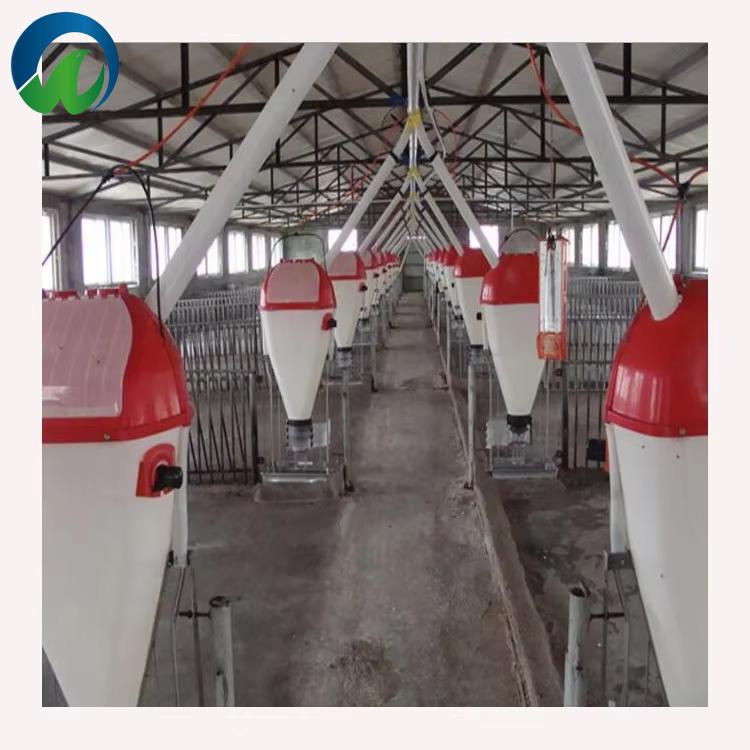
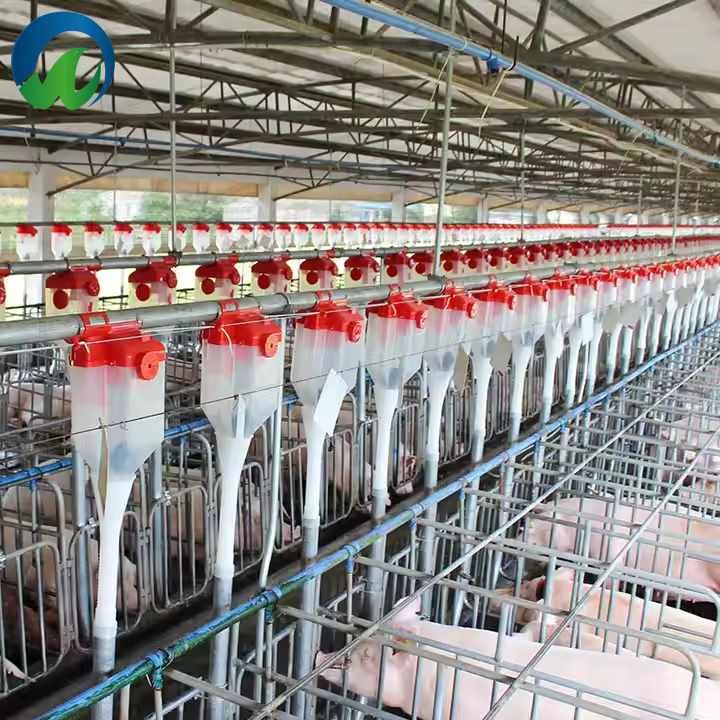
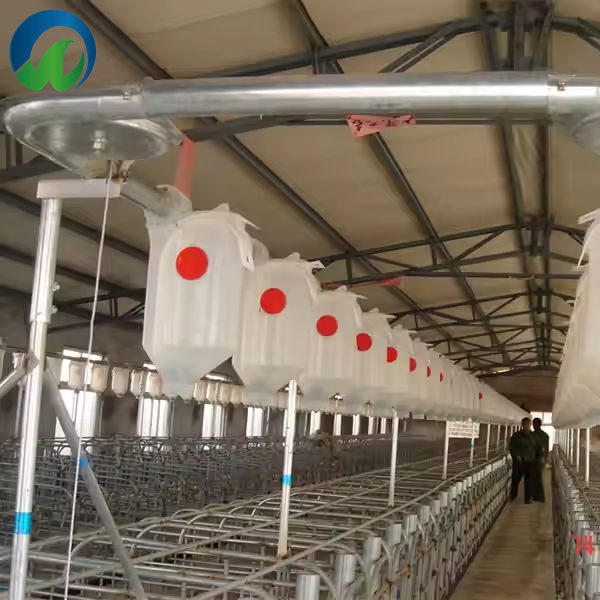
inexpensive pig auto feeding line
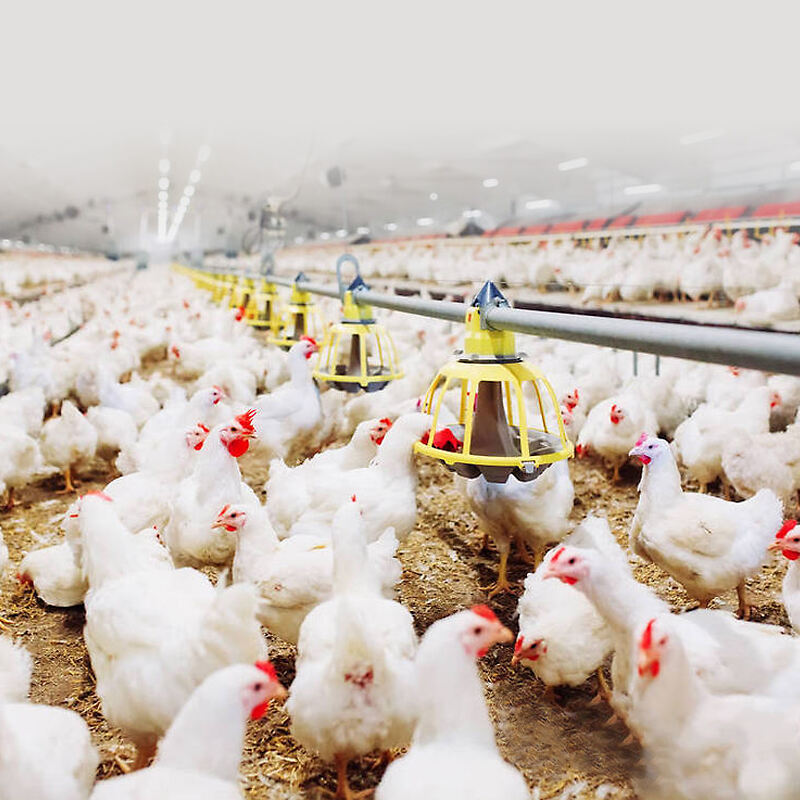
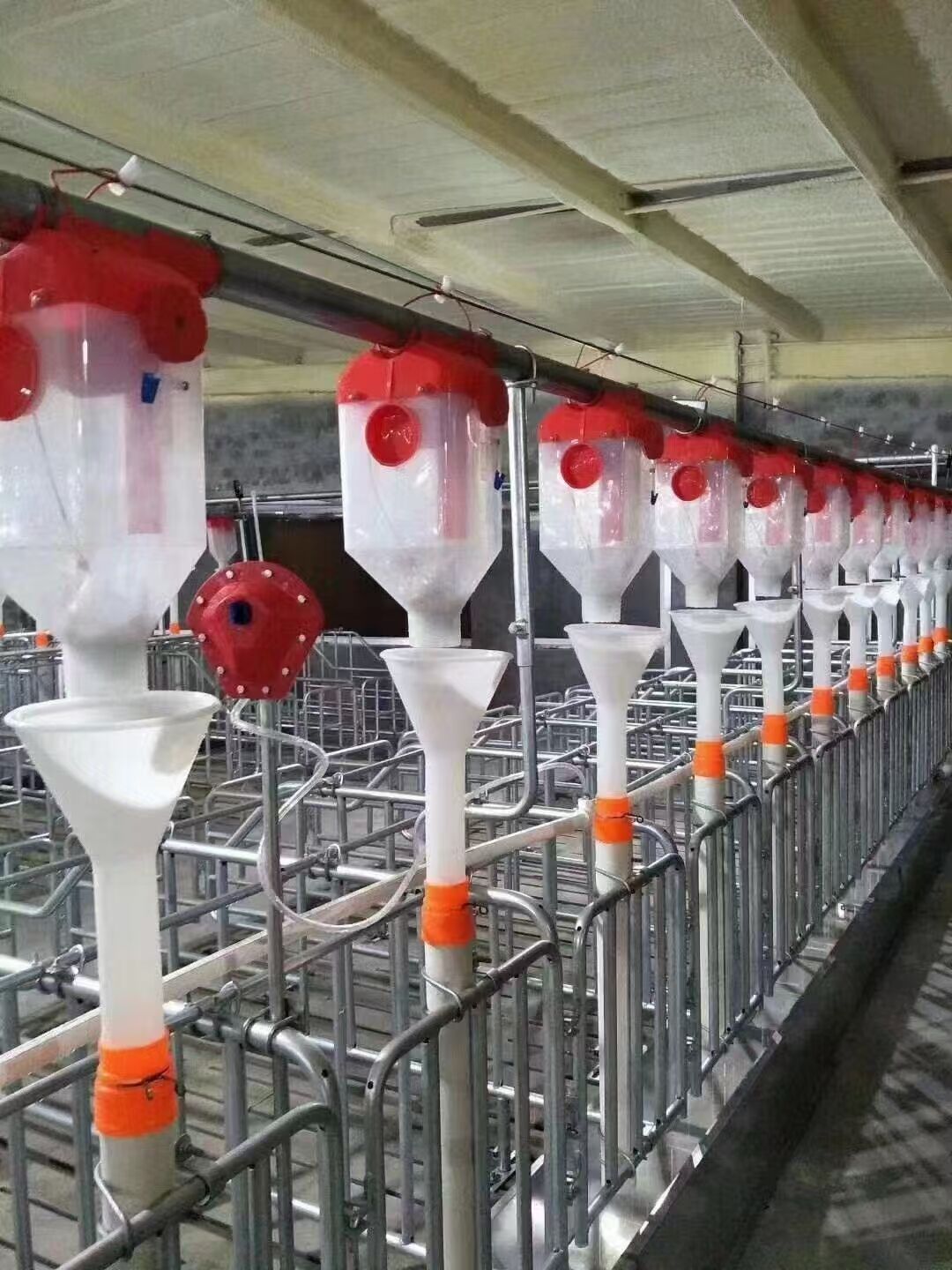
The inexpensive pig auto feeding line represents a revolutionary approach to modern swine management, combining cutting-edge technology with cost-effective solutions to streamline feeding operations across pig farms of all sizes. This comprehensive automated system transforms traditional manual feeding methods into precise, efficient processes that deliver consistent nutrition while reducing labor costs and improving overall farm productivity. The core functionality of this innovative feeding line centers around automated feed distribution, portion control, and scheduling capabilities that ensure optimal nutrition delivery to pigs throughout their growth cycles. The system incorporates advanced sensors and programmable controls that monitor feed levels, track consumption patterns, and automatically dispense predetermined amounts of feed at scheduled intervals. These technological features work seamlessly together to create a reliable feeding environment that promotes healthy pig development while minimizing waste and operational overhead. The inexpensive pig auto feeding line utilizes durable stainless steel construction and weather-resistant components designed to withstand harsh agricultural environments. Smart control panels allow operators to customize feeding schedules, adjust portion sizes, and monitor system performance through intuitive interfaces that require minimal technical expertise. The modular design enables easy installation and expansion, making it suitable for both small-scale operations and large commercial facilities. Applications for this automated feeding system extend across various pig farming operations, including breeding facilities, nurseries, finishing barns, and integrated production systems. The versatility of the inexpensive pig auto feeding line allows it to accommodate different pig breeds, age groups, and nutritional requirements through customizable programming options. Feed delivery mechanisms ensure uniform distribution while preventing contamination and spoilage that commonly occur with manual feeding methods. The system's ability to maintain consistent feeding schedules regardless of weather conditions or staff availability makes it an invaluable asset for modern pig farming operations seeking to optimize productivity while controlling operational expenses.
 EN
EN