Latest Design Pig Farming Equipment: Advanced Agricultural Technology Solutions

Get a Free Quote

Our representative will contact you soon.
Email
Name
Company Name
Intended Products
Message
0/1000

latest design pig farming equipment

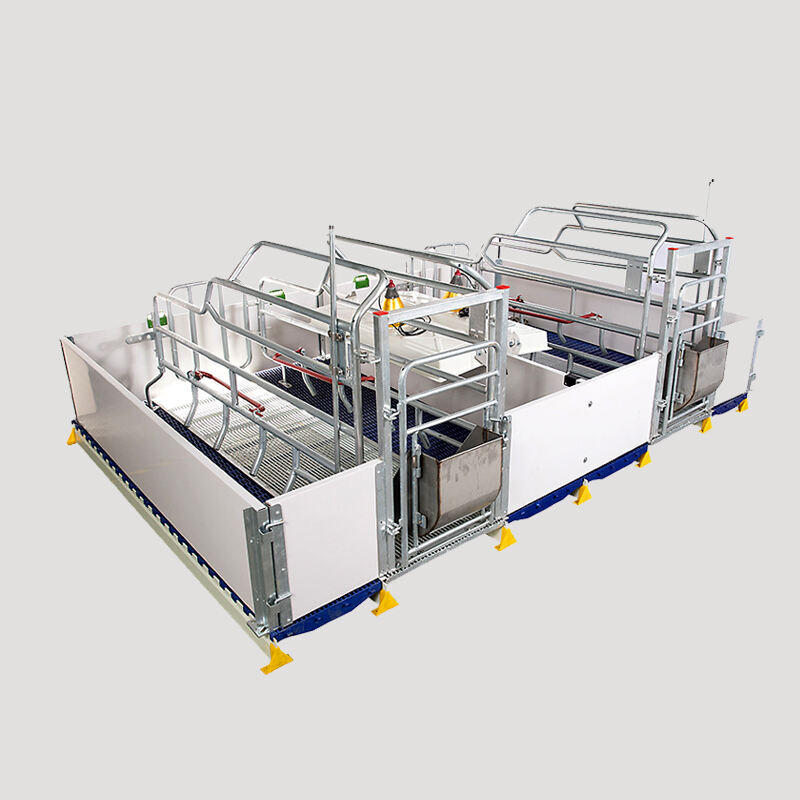
The latest design pig farming equipment represents a revolutionary advancement in agricultural technology, transforming traditional swine production into highly efficient, automated operations. Modern pig farming facilities now incorporate sophisticated ventilation systems that maintain optimal air quality through computer-controlled fans, temperature sensors, and air filtration units. These systems ensure consistent environmental conditions that promote healthy growth while reducing respiratory diseases common in conventional setups. Water management technology has evolved significantly, featuring automated nipple drinkers with flow meters that monitor consumption patterns and detect potential health issues early. Feed distribution systems utilize precision dosing mechanisms that deliver exact nutritional requirements based on pig weight, age, and production stage. The latest design pig farming equipment includes automated waste management solutions featuring slurry pumps, separators, and composting systems that convert waste into valuable fertilizer while minimizing environmental impact. Advanced monitoring systems incorporate RFID ear tags, weight sensors, and behavioral tracking cameras that provide real-time data on individual animal performance. Climate control technology maintains precise temperature ranges through radiant heating systems, evaporative cooling pads, and automated curtain controls. Flooring innovations feature durable, easy-clean surfaces with optimal grip patterns that prevent injuries while facilitating thorough sanitation. Birthing facilities now include heated creep areas, adjustable farrowing crates, and automated milk feeding systems for orphaned piglets. Disease prevention capabilities encompass UV sterilization units, footbath systems, and quarantine facilities with independent ventilation. Energy efficiency remains paramount, with solar panels, heat recovery systems, and LED lighting reducing operational costs significantly. Integration capabilities allow seamless connection between different equipment components through centralized control systems. The latest design pig farming equipment emphasizes worker safety through ergonomic designs, automated handling systems, and remote monitoring capabilities that minimize direct animal contact while maintaining optimal care standards.

New Product Recommendations

The latest design pig farming equipment delivers remarkable benefits that transform agricultural operations while maximizing profitability and sustainability. Farmers experience substantial labor cost reductions through automation systems that handle feeding, watering, and waste removal without constant human intervention. These automated processes operate continuously, ensuring animals receive consistent care regardless of weather conditions or staff availability. Production efficiency increases dramatically as precision feeding systems deliver optimal nutrition at programmed intervals, resulting in faster weight gain and improved feed conversion ratios. Health monitoring capabilities detect illness symptoms immediately, allowing swift veterinary intervention that prevents disease spread throughout herds. This early detection system reduces medication costs and minimizes production losses significantly. Environmental compliance becomes effortless through integrated waste management systems that process manure into valuable compost while controlling odors and preventing groundwater contamination. Energy consumption decreases substantially through smart climate control systems that optimize heating, cooling, and ventilation based on real-time conditions rather than manual adjustments. The latest design pig farming equipment provides detailed production analytics that help farmers make data-driven decisions about breeding, nutrition, and facility management. Worker safety improves through reduced physical handling requirements and remote monitoring capabilities that minimize exposure to potentially dangerous animals. Facility maintenance becomes more predictable through diagnostic systems that alert operators to equipment issues before breakdowns occur. Space utilization maximizes through innovative housing designs that accommodate more animals per square foot while maintaining welfare standards. Quality control systems ensure consistent product standards through automated sorting and grading processes. The latest design pig farming equipment offers scalability options that allow operations to expand incrementally without complete system overhauls. Biosecurity measures strengthen through automated disinfection systems and controlled access protocols that prevent disease introduction. Return on investment accelerates through reduced operational costs, increased production volumes, and premium pricing for humanely raised products. Insurance premiums often decrease due to improved safety records and reduced risk factors associated with modern automated systems. Market competitiveness enhances through consistent product quality and efficient production methods that meet consumer demands.

Latest News

How Do Drenchers Facilitate Efficient and Accurate Feeding Practices?

04

Jan

How Do Drenchers Facilitate Efficient and Accurate Feeding Practices?

Modern livestock management demands precision, efficiency, and reliability in every aspect of animal care. Among the various tools available to farmers and veterinarians, drenchers have emerged as indispensable devices for administering liquid medica...
View More
Which gauge and length options matter in animal needle selection?

29

Jan

Which gauge and length options matter in animal needle selection?

Selecting the appropriate animal needle for veterinary procedures requires careful consideration of multiple factors that directly impact treatment efficacy and patient comfort. The gauge and length specifications of an animal needle determine its su...
View More
How does a flat feeding drinking line optimize floor space in poultry houses?

31

Mar

How does a flat feeding drinking line optimize floor space in poultry houses?

Modern poultry operations face increasing pressure to maximize production efficiency while maintaining optimal bird welfare standards. The strategic use of floor space has become a critical factor in determining the economic viability of commercial p...
View More
Does a constant-level animal drinking bowl improve livestock health?

31

Mar

Does a constant-level animal drinking bowl improve livestock health?

Livestock producers consistently seek practical solutions to improve animal health while reducing operational costs and labor requirements. A constant-level animal drinking bowl represents one such innovation that maintains consistent water access by...
View More

Get a Free Quote

Our representative will contact you soon.
Email
Name
Company Name
Intended Products
Message
0/1000

latest design pig farming equipment

Smart Climate Control and Environmental Management Systems

Smart Climate Control and Environmental Management Systems

The latest design pig farming equipment features revolutionary climate control technology that maintains perfect environmental conditions automatically throughout the year. This sophisticated system combines multiple sensors measuring temperature, humidity, air quality, and ammonia levels to create optimal living conditions for swine at every growth stage. The integrated ventilation network includes variable-speed exhaust fans, inlet controls, and circulation fans that work together to maintain consistent airflow patterns while preventing drafts and cold spots that stress animals. Temperature regulation occurs through radiant heating panels that provide targeted warmth for young piglets while maintaining comfortable conditions for adult animals. Evaporative cooling systems reduce temperatures during hot weather through fine mist sprayers and cooling pads that lower ambient temperatures without creating excessive humidity. Air filtration components remove dust, pathogens, and odors from incoming air while heat recovery systems capture warmth from exhaust air to preheat incoming fresh air, reducing energy consumption significantly. The computerized control system learns from historical data and weather patterns to predict optimal settings in advance, automatically adjusting parameters before conditions change. This predictive capability ensures animals never experience temperature stress that could impact growth rates or immune system function. Emergency backup systems activate immediately during power outages, maintaining critical ventilation and heating to protect valuable livestock investments. The latest design pig farming equipment incorporates carbon dioxide monitoring that automatically increases ventilation when levels rise, ensuring optimal respiratory conditions. Seasonal adjustment protocols modify settings based on outdoor weather patterns and pig housing requirements throughout different production phases. Real-time alerts notify operators of any deviations from optimal parameters, allowing immediate corrective action. Integration with weather stations provides advance warning of extreme conditions, enabling proactive adjustments that maintain comfort levels. This environmental management approach results in improved feed conversion rates, reduced disease incidence, and enhanced overall animal welfare while minimizing energy costs and environmental impact.
Automated Feeding and Nutrition Management Technology

Automated Feeding and Nutrition Management Technology

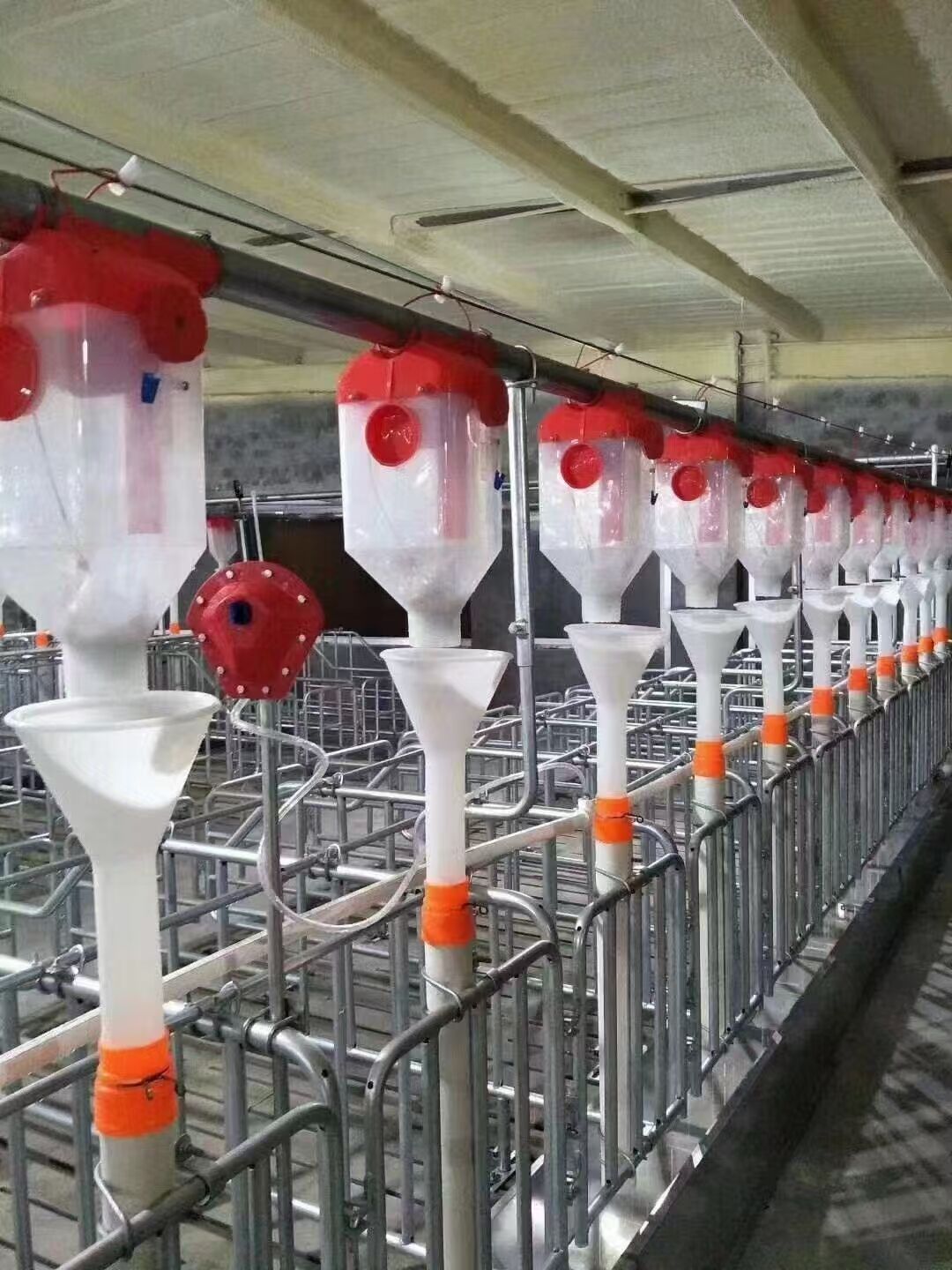
The latest design pig farming equipment revolutionizes nutrition delivery through precision feeding systems that customize meal compositions and quantities for individual animals based on their specific requirements. These sophisticated systems incorporate electronic identification readers that recognize each pig through RFID ear tags or implants, accessing detailed profiles containing weight, age, breeding status, and nutritional needs. Automated feed stations dispense exact portions of customized feed mixtures that optimize growth rates while preventing overfeeding and waste. The feed preparation system blends multiple ingredients including grains, proteins, vitamins, and minerals according to computerized recipes that adjust automatically based on market prices and nutritional requirements. Liquid feeding capabilities allow precise delivery of wet feeds that improve digestibility and reduce dust levels within facilities. The latest design pig farming equipment includes feed quality monitoring sensors that detect contamination, spoilage, or nutritional deficiencies before distribution begins. Inventory management systems track feed consumption patterns and automatically reorder supplies when quantities reach predetermined levels. Feeding schedules adapt to growth phases, with young pigs receiving frequent small meals while finishing animals receive larger portions at optimal intervals. The system records detailed consumption data for each animal, enabling early detection of health issues through appetite changes or feeding behavior modifications. Feed conversion tracking provides valuable insights into efficiency metrics that help optimize ration formulations and reduce costs. Waste reduction occurs through precise portion control that eliminates overfeeding while ensuring adequate nutrition for optimal growth performance. The automated cleaning cycles sanitize feed lines and dispensers between uses, preventing bacterial growth and feed contamination. Remote monitoring capabilities allow farmers to observe feeding patterns from anywhere, receiving alerts when animals exhibit unusual eating behaviors. Integration with growth monitoring systems correlates feed intake with weight gain, providing comprehensive performance analytics. Cost optimization features compare different feed ingredient prices and automatically adjust recipes to maintain nutritional targets while minimizing expenses. This comprehensive approach to nutrition management enhances animal health, improves production efficiency, and reduces labor requirements while maintaining consistent feed quality throughout the operation.
Advanced Health Monitoring and Disease Prevention Capabilities

Advanced Health Monitoring and Disease Prevention Capabilities

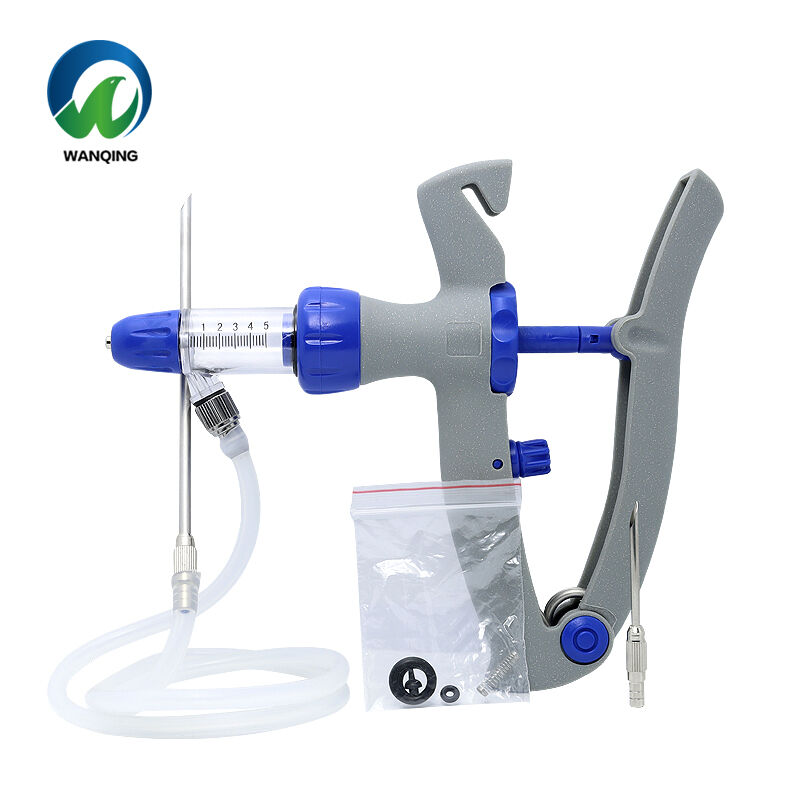
The latest design pig farming equipment incorporates cutting-edge health monitoring technology that provides continuous surveillance of animal welfare and enables proactive disease prevention strategies. This comprehensive system utilizes multiple monitoring methods including thermal imaging cameras that detect fever symptoms before clinical signs appear, allowing immediate veterinary intervention that prevents disease spread throughout the herd. Individual animal tracking through sophisticated sensor networks monitors activity levels, feeding patterns, water consumption, and behavioral changes that indicate potential health issues. Weight monitoring systems automatically record growth rates and alert operators when animals fall below expected performance parameters. The latest design pig farming equipment includes automated vaccination systems that deliver immunizations according to predetermined schedules while maintaining detailed health records for each animal. Air quality sensors continuously monitor ammonia levels, dust concentrations, and pathogen counts, automatically adjusting ventilation systems to maintain optimal respiratory health conditions. Water quality testing equipment ensures clean, fresh water availability while detecting contamination that could cause illness. Biosecurity features include automated footbath systems, vehicle disinfection stations, and quarantine facilities with independent ventilation systems that prevent disease introduction from external sources. The integrated health management software correlates environmental data with animal performance metrics, identifying patterns that predict health problems before they become serious issues. Early warning systems generate alerts when multiple animals exhibit similar symptoms, enabling rapid response that contains potential outbreaks. Medication tracking systems ensure proper dosing and withdrawal periods while maintaining compliance with food safety regulations. The disease prevention protocols include automated cleaning and disinfection cycles that eliminate pathogens from housing areas, feed systems, and water lines. Environmental controls maintain optimal conditions that support immune system function while reducing stress factors that increase disease susceptibility. Genetic health tracking maintains breeding records that identify disease-resistant bloodlines and prevent inbreeding that could increase health problems. Laboratory integration capabilities allow rapid testing of samples for specific pathogens, enabling targeted treatment approaches. This comprehensive health monitoring approach reduces veterinary costs, improves animal welfare standards, and ensures consistent production quality while meeting strict food safety requirements that protect consumer health and maintain market access for premium products.
Tel Tel WhatApp WhatApp Email Email WeChat WeChat
WeChat