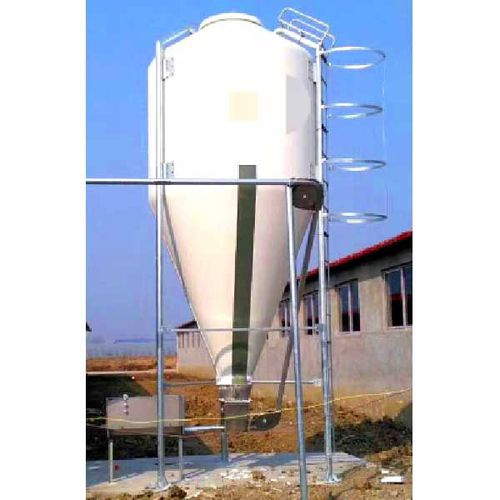
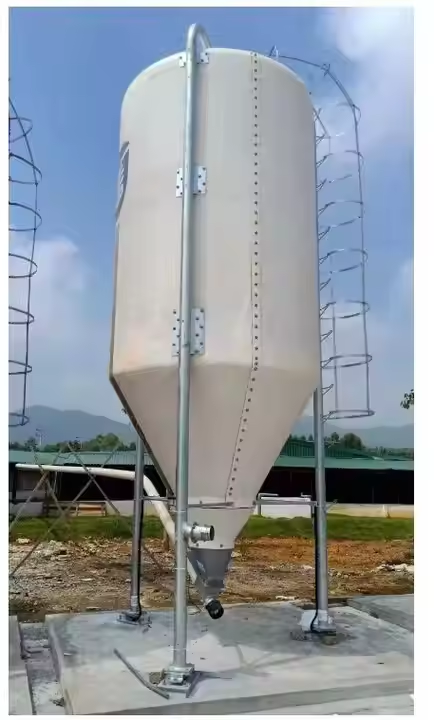
Buy Silo Solutions: Advanced Automated Bulk Material Storage and Inventory Management Systems

Get a Free Quote

Our representative will contact you soon.
Email
Name
Company Name
Intended Products
Message
0/1000

buy silo

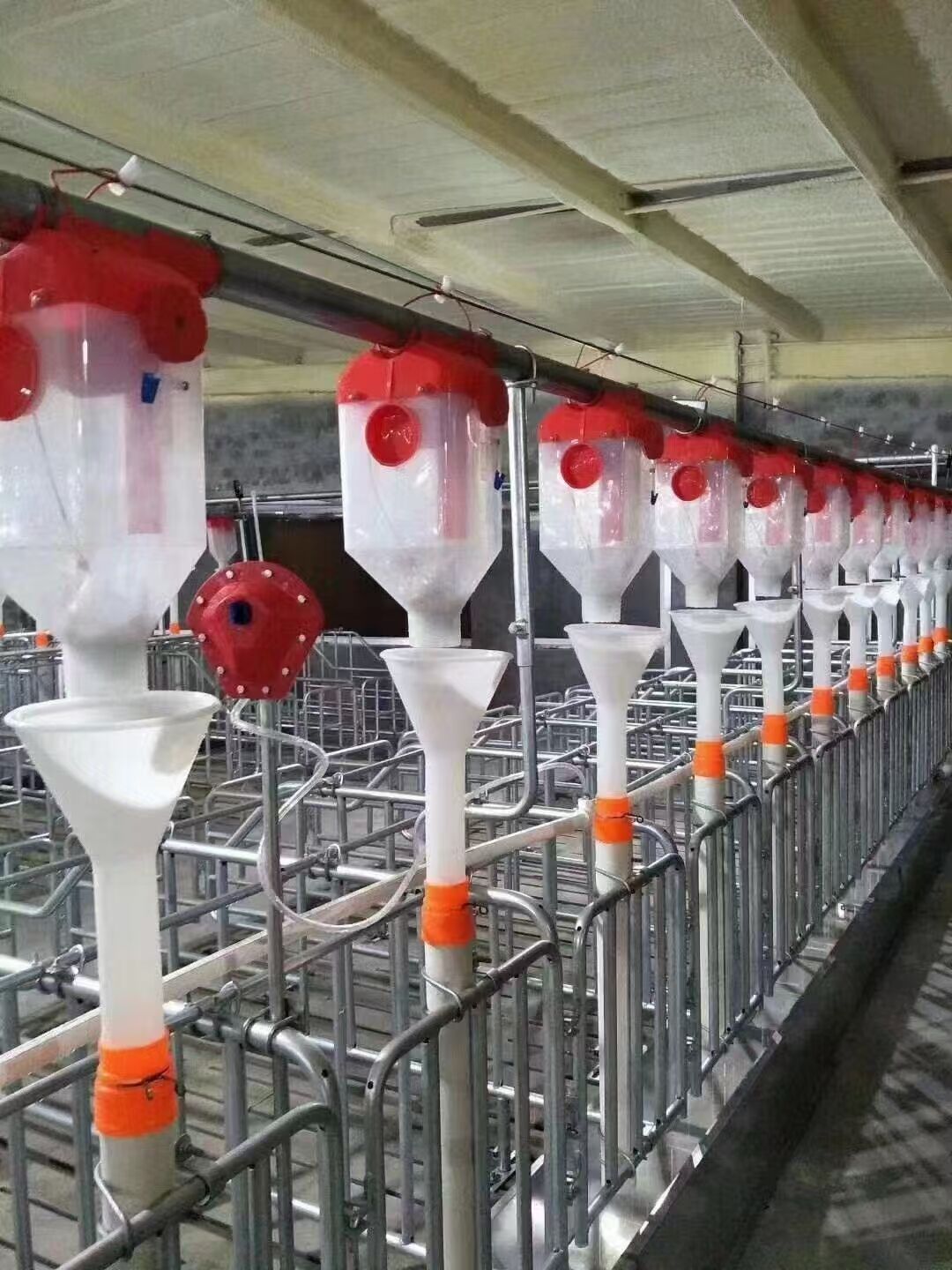
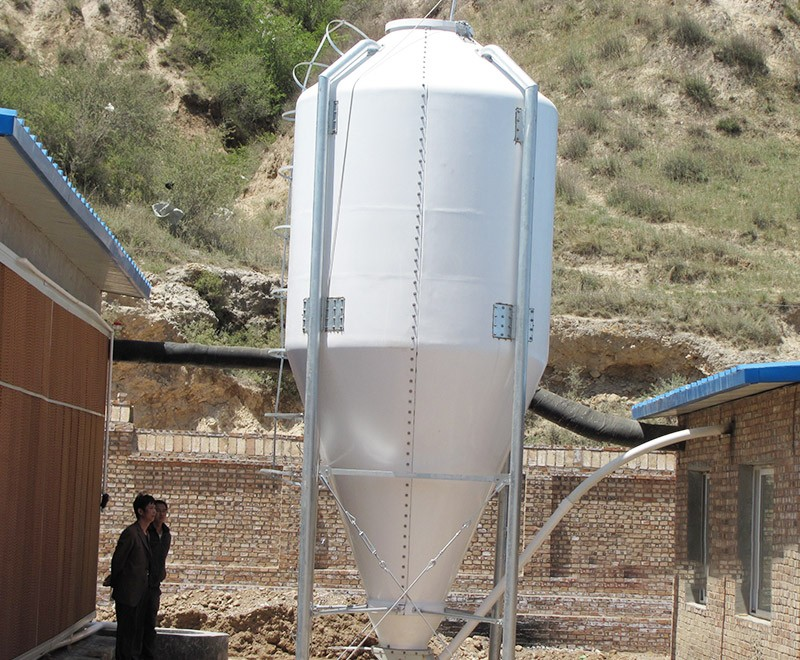
A buy silo represents a revolutionary approach to bulk material storage and handling systems, designed specifically for businesses that require efficient procurement, storage, and distribution of granular or powdered materials. This sophisticated storage solution combines advanced engineering principles with modern automation technology to create an integrated system that streamlines material management processes. The buy silo serves as a centralized hub for receiving, storing, and dispensing various materials including grains, cement, chemicals, plastics, and other bulk commodities. The primary function of a buy silo extends beyond simple storage capacity. These systems incorporate intelligent inventory management capabilities that monitor material levels in real-time, automatically triggering purchase orders when predetermined thresholds are reached. This automated procurement feature eliminates the risk of stockouts while preventing excessive inventory accumulation. The technological infrastructure includes sophisticated sensors, control systems, and communication networks that enable seamless integration with existing enterprise resource planning systems. Modern buy silo installations feature advanced loading and unloading mechanisms that minimize material degradation and contamination risks. Pneumatic conveying systems, screw augers, and belt conveyors work in harmony to ensure gentle material handling throughout the entire process. Temperature and humidity control systems maintain optimal storage conditions, preserving material quality and extending shelf life. The applications for buy silo technology span numerous industries including construction, agriculture, food processing, chemical manufacturing, and pharmaceutical production. Construction companies utilize these systems for cement and aggregate storage, while agricultural operations depend on them for grain and feed management. Food processors benefit from contamination-free storage of ingredients, and chemical manufacturers rely on precise material handling for production consistency. The versatility of buy silo designs allows customization for specific material properties and operational requirements.

Popular Products

The buy silo delivers substantial cost savings through automated inventory management that eliminates manual monitoring requirements and reduces labor expenses. Companies experience significant reductions in material waste due to precise dispensing mechanisms and controlled storage environments that prevent spoilage and contamination. The automated procurement system prevents costly production delays by maintaining optimal inventory levels and triggering timely reorders based on actual consumption patterns. Operational efficiency improves dramatically as the buy silo streamlines material handling processes from delivery through final usage. Workers no longer need to manually track inventory levels or coordinate purchase orders, allowing them to focus on value-added activities. The centralized storage system reduces material handling time and minimizes the risk of human error in inventory management. Quality control benefits emerge through consistent storage conditions that preserve material properties and prevent degradation. The enclosed storage environment protects materials from environmental factors such as moisture, temperature fluctuations, and contamination sources. This protection ensures that materials maintain their specified characteristics throughout the storage period, resulting in consistent product quality and reduced rejection rates. Safety improvements represent another significant advantage as the buy silo reduces worker exposure to potentially hazardous materials through enclosed handling systems and automated processes. The elimination of manual material handling reduces the risk of workplace injuries and creates a safer working environment. Additionally, the controlled atmosphere within the silo prevents dust emissions and contains potentially harmful particles. Space optimization occurs as vertical storage designs maximize storage capacity within limited facility footprints. This efficient use of available space allows companies to expand their material storage capabilities without requiring additional building construction or facility expansion. The compact design also improves facility organization and workflow efficiency. Environmental benefits include reduced packaging waste through bulk material delivery and storage, lower transportation costs due to optimized delivery schedules, and decreased energy consumption through efficient material handling systems. The automated inventory management also reduces the carbon footprint associated with emergency deliveries and expedited shipping requirements. Financial advantages extend to improved cash flow management as the system optimizes purchase timing and quantities based on actual usage patterns rather than estimated requirements.

Tips And Tricks

How to Select the Right Slat Floor for Your Needs

30

Dec

How to Select the Right Slat Floor for Your Needs

Understanding Slat Floors and Their Core Applications Slat Floors 101: Core Features and Construction Slat floors—defined by their spaced-slat design—are engineered for superior drainage and ventilation, making them indispensable in in...
View More
How Do Drenchers Facilitate Efficient and Accurate Feeding Practices?

04

Jan

How Do Drenchers Facilitate Efficient and Accurate Feeding Practices?

Modern livestock management demands precision, efficiency, and reliability in every aspect of animal care. Among the various tools available to farmers and veterinarians, drenchers have emerged as indispensable devices for administering liquid medica...
View More
Is Manual Feeding Still Sustainable on Farms Without a Pig Auto Feeding Line?

28

Feb

Is Manual Feeding Still Sustainable on Farms Without a Pig Auto Feeding Line?

Modern pig farming operations face mounting pressure to balance efficiency, cost management, and animal welfare standards. Traditional manual feeding methods, once the backbone of agricultural practices, are increasingly scrutinized as farms expand a...
View More
How does a flat feeding drinking line optimize floor space in poultry houses?

31

Mar

How does a flat feeding drinking line optimize floor space in poultry houses?

Modern poultry operations face increasing pressure to maximize production efficiency while maintaining optimal bird welfare standards. The strategic use of floor space has become a critical factor in determining the economic viability of commercial p...
View More

Get a Free Quote

Our representative will contact you soon.
Email
Name
Company Name
Intended Products
Message
0/1000

buy silo

Advanced Automated Inventory Management System

Advanced Automated Inventory Management System

The automated inventory management system within a buy silo represents a paradigm shift in material procurement and stock control methodologies. This sophisticated system employs multiple sensor technologies including laser level indicators, load cells, and ultrasonic measurement devices to provide continuous, real-time monitoring of material quantities stored within the silo structure. The integration of these monitoring technologies creates a comprehensive inventory tracking network that eliminates guesswork and manual measurement requirements. The system processes this data through advanced algorithms that analyze consumption patterns, seasonal variations, and production schedules to predict optimal reorder points and quantities. This predictive capability ensures that materials are automatically replenished before stockouts occur while preventing excessive inventory accumulation that ties up working capital. The automated procurement functionality interfaces directly with supplier systems and enterprise resource planning platforms, creating seamless purchase order generation and approval workflows. Users can establish customized parameters for different materials, including minimum and maximum inventory levels, preferred suppliers, and quality specifications. The system maintains detailed historical records of consumption patterns, delivery performance, and material quality metrics, enabling continuous optimization of procurement strategies. Alert mechanisms notify management of unusual consumption patterns, delivery delays, or quality issues, ensuring proactive resolution of potential problems. The automated inventory management system also supports multi-location operations, providing centralized visibility and control across multiple buy silo installations. This capability enables companies to optimize inventory allocation between facilities and coordinate bulk purchasing opportunities for maximum cost savings. The system generates comprehensive reporting on inventory turnover rates, carrying costs, and supplier performance metrics, supporting data-driven decision making for procurement optimization. Integration capabilities extend to financial systems, automatically updating material costs and inventory valuations in real-time, ensuring accurate financial reporting and cost accounting. The sophisticated inventory management system transforms material procurement from a reactive, manual process into a proactive, automated operation that drives significant improvements in efficiency, cost control, and operational reliability.

Contamination-Free Storage and Preservation Technology

Contamination-Free Storage and Preservation Technology

The contamination-free storage and preservation technology incorporated in modern buy silo systems addresses critical quality control challenges that plague traditional material storage methods. This advanced protection system begins with hermetically sealed storage chambers that create controlled atmospheric conditions, preventing moisture infiltration, pest intrusion, and airborne contamination that can compromise material integrity. The sealed environment utilizes specialized gasket systems and pressure monitoring to maintain consistent internal conditions regardless of external weather variations or environmental factors. Temperature regulation systems employ precision heating and cooling mechanisms that maintain optimal storage temperatures for specific materials, preventing thermal degradation and preserving chemical stability throughout extended storage periods. Humidity control technology actively manages moisture levels within the storage chamber, preventing clumping, caking, or chemical reactions that occur when materials absorb atmospheric moisture. Advanced filtration systems process incoming air through multiple stages of purification, removing dust particles, chemical vapors, and biological contaminants before they enter the storage environment. The preservation technology includes inert gas systems that displace oxygen within the storage chamber, preventing oxidation reactions that can alter material properties or reduce shelf life. This controlled atmosphere technology is particularly beneficial for reactive materials, pharmaceuticals, and food-grade products that require stable storage conditions. Material flow systems within the buy silo utilize gentle handling mechanisms that minimize particle breakdown and preserve material consistency during loading and unloading operations. Vibration dampening systems reduce mechanical stress on stored materials, preventing segregation and maintaining uniform particle distribution. The contamination prevention system extends to the material transfer mechanisms, incorporating cleanable surfaces, sanitary connections, and washdown capabilities that meet stringent food safety and pharmaceutical manufacturing standards. Monitoring systems continuously track storage conditions including temperature, humidity, pressure, and gas composition, providing alerts when parameters drift outside acceptable ranges. Documentation systems maintain detailed records of storage conditions and material handling events, supporting quality assurance programs and regulatory compliance requirements. The contamination-free storage technology significantly extends material shelf life, reduces waste from spoiled or degraded materials, and ensures consistent product quality in manufacturing processes that depend on material uniformity and purity.
Integrated Bulk Material Handling and Distribution Network

Integrated Bulk Material Handling and Distribution Network

The integrated bulk material handling and distribution network within a buy silo creates a seamless material flow system that optimizes efficiency from initial delivery through final application in production processes. This comprehensive network begins with advanced receiving systems that accommodate various delivery methods including pneumatic tankers, rail cars, and bulk trucks, ensuring flexible supply chain integration regardless of supplier capabilities or transportation preferences. The receiving infrastructure incorporates dust collection systems, spillage containment, and automated weighing mechanisms that accurately document incoming material quantities while maintaining clean and safe operating conditions. Material transfer systems utilize sophisticated conveying technologies tailored to specific material characteristics, including gentle pneumatic systems for fragile materials, high-capacity mechanical conveyors for heavy-duty applications, and specialized handling equipment for materials with unique flow properties or safety requirements. The distribution network employs intelligent routing systems that direct materials to appropriate storage compartments based on material type, quality specifications, and inventory optimization algorithms. Multiple discharge points throughout the facility enable simultaneous material delivery to various production lines or packaging systems, maximizing operational flexibility and minimizing production bottlenecks. The handling system incorporates precision metering and weighing capabilities that ensure accurate material dispensing according to production requirements, supporting consistent product quality and minimizing material waste. Automated scheduling systems coordinate material movements based on production forecasts, maintenance requirements, and delivery schedules, optimizing facility utilization and reducing operational conflicts. The distribution network includes comprehensive tracking systems that monitor material flow throughout the entire handling process, providing real-time visibility into material location, movement history, and consumption patterns. This tracking capability supports detailed cost accounting, quality traceability, and inventory reconciliation processes essential for modern manufacturing operations. Safety systems integrated throughout the handling network include emergency shutdown capabilities, confined space monitoring, and explosion prevention systems that protect personnel and equipment during material handling operations. Maintenance systems within the network utilize predictive monitoring technologies that identify potential equipment issues before failures occur, minimizing unplanned downtime and ensuring consistent material availability. The integrated design eliminates manual material handling requirements, reducing labor costs and improving worker safety while increasing overall system reliability and operational efficiency through automated processes that operate continuously with minimal human intervention.
Tel Tel WhatApp WhatApp Email Email WeChat WeChat
WeChat