high quality silo
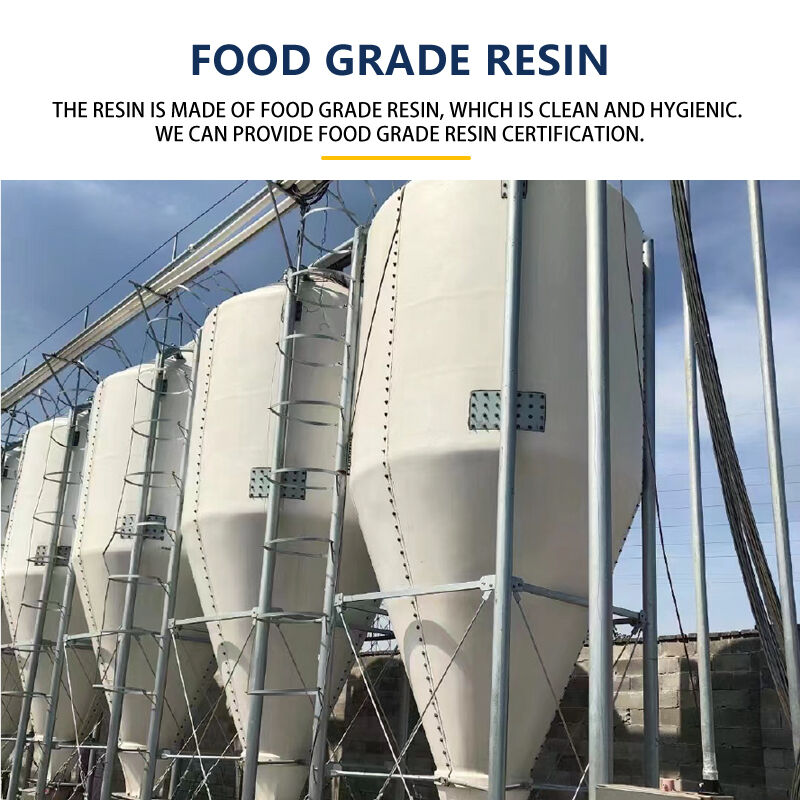
A high quality silo represents the pinnacle of modern bulk storage technology, designed to provide superior protection and preservation for various materials including grains, cement, chemicals, and industrial powders. These advanced storage structures incorporate cutting-edge engineering principles to deliver exceptional performance across diverse applications. The primary function of a high quality silo centers on maintaining material integrity through controlled environmental conditions, preventing contamination, and ensuring efficient loading and discharge operations. Modern high quality silo systems feature sophisticated monitoring capabilities that track temperature, humidity, and pressure levels in real-time, allowing operators to maintain optimal storage conditions throughout the entire storage period. The technological architecture includes advanced ventilation systems that regulate airflow patterns, preventing hot spots and moisture accumulation that could compromise stored materials. Structural components utilize high-grade steel or reinforced concrete construction methods, ensuring long-term durability and resistance to environmental factors. Automated control systems integrate seamlessly with existing facility management protocols, providing centralized oversight of multiple storage units simultaneously. The discharge mechanisms employ precision-engineered outlets and conveyor systems that maintain consistent flow rates while minimizing material degradation during transfer operations. Safety features include emergency ventilation systems, explosion-proof electrical components, and structural reinforcements that exceed standard industry requirements. Applications span across agricultural sectors for grain storage, construction industries for cement and aggregate materials, chemical processing facilities for powder handling, and manufacturing operations requiring bulk material management. Each high quality silo installation can be customized to accommodate specific capacity requirements, ranging from small-scale operations to massive industrial complexes. The modular design approach allows for future expansion capabilities, ensuring that initial investments remain valuable as operational needs evolve over time.
 EN
EN