Versatile Modular Design for Maximum Adaptability
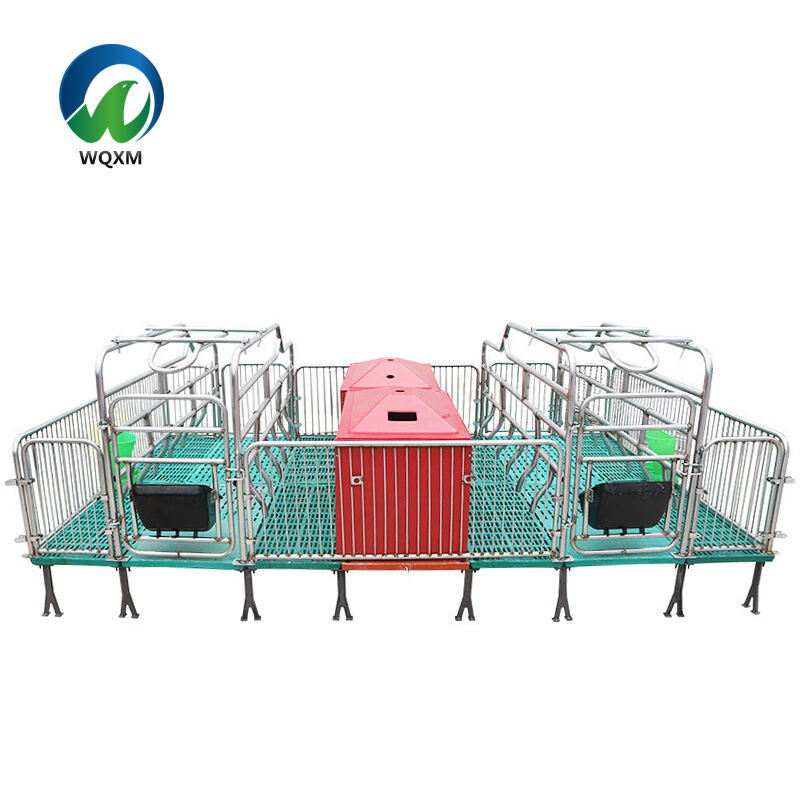
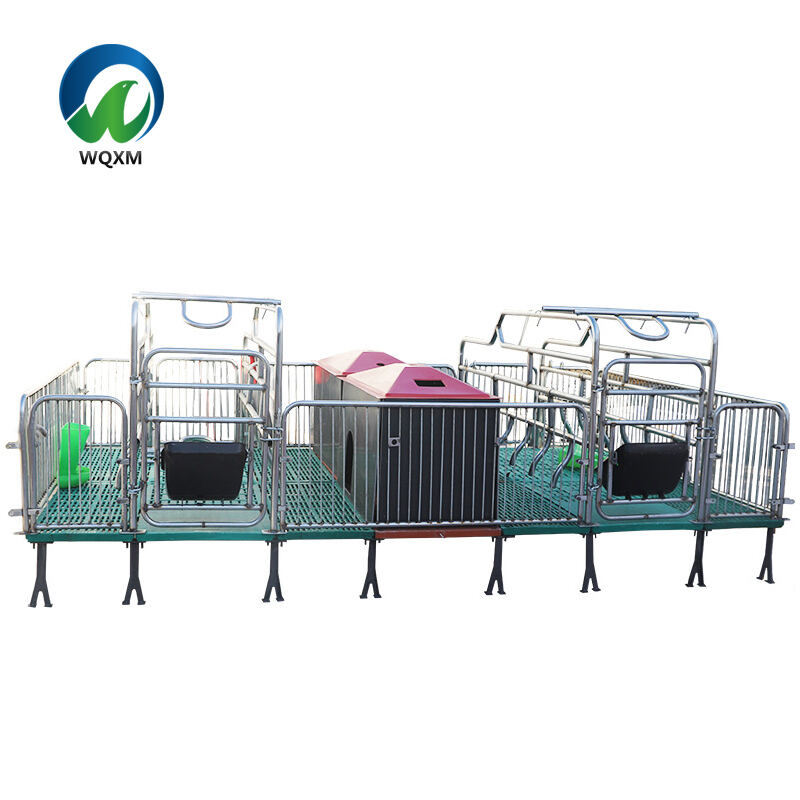
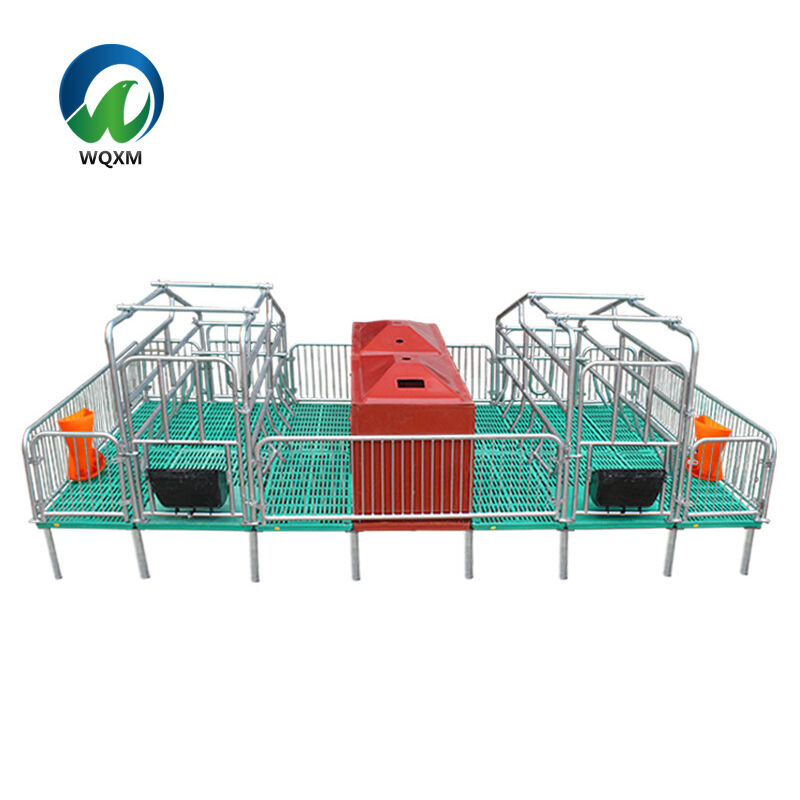
The best pig feeding trough showcases exceptional versatility through its innovative modular design system that adapts to diverse pig farming requirements and operational changes. This sophisticated construction approach utilizes standardized components that interconnect seamlessly, creating feeding solutions for farms of any size or configuration. The modular architecture allows farmers to start with basic installations and expand capacity as their operations grow, eliminating the need for complete system replacement. Each module maintains independent functionality while integrating perfectly with adjacent sections, ensuring uninterrupted feed access during modifications or maintenance. The best pig feeding trough's modular design accommodates various pen layouts, from linear arrangements in traditional barns to circular configurations in specialized facilities. Adjustable mounting systems enable installation on different surface types, including concrete floors, elevated platforms, and outdoor ground surfaces. The versatile design supports both manual and automated feeding programs, with compatible interfaces for electronic feed delivery systems. Farmers can customize trough lengths, heights, and capacities by selecting appropriate module combinations that match their specific pig populations and space constraints. The modular system includes specialized components for different pig stages, from creep feeders for piglets to robust sections for finishing hogs. Quick-disconnect features facilitate rapid reconfiguration when transitioning between production phases or adjusting for seasonal changes. The adaptability extends to feed type compatibility, with interchangeable components optimized for dry feeds, liquid supplements, or mixed rations. Quality control standards ensure consistent performance across all modular components, maintaining uniform feeding conditions regardless of configuration complexity. The best pig feeding trough's modular design reduces inventory requirements, as standardized parts serve multiple applications throughout the farm operation. Installation flexibility allows for temporary configurations during facility renovations or emergency situations. The system's scalability supports business growth without obsoleting existing investments, providing long-term value and return on investment. Training requirements remain minimal due to standardized operating procedures across all modular configurations. Maintenance protocols apply universally to all components, simplifying staff education and reducing operational complexity. The modular approach enables targeted upgrades and technology integration without disrupting entire feeding systems.
 EN
EN