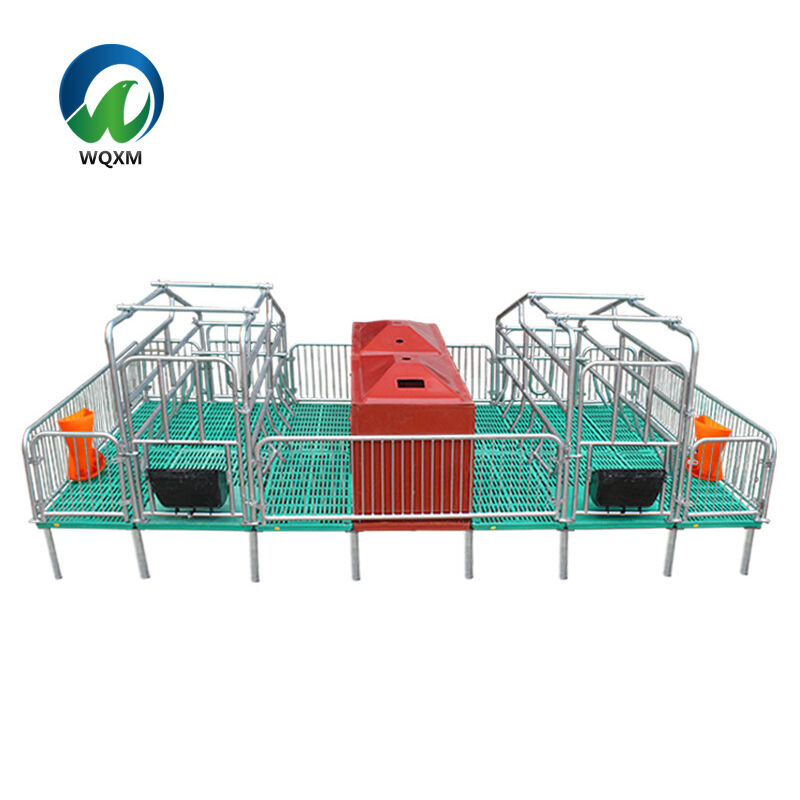
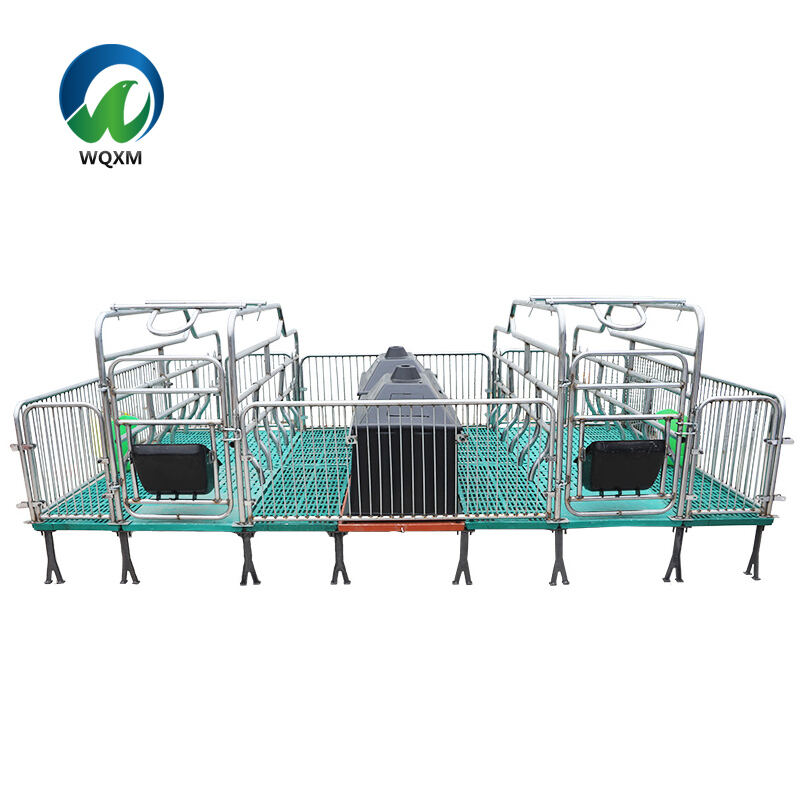
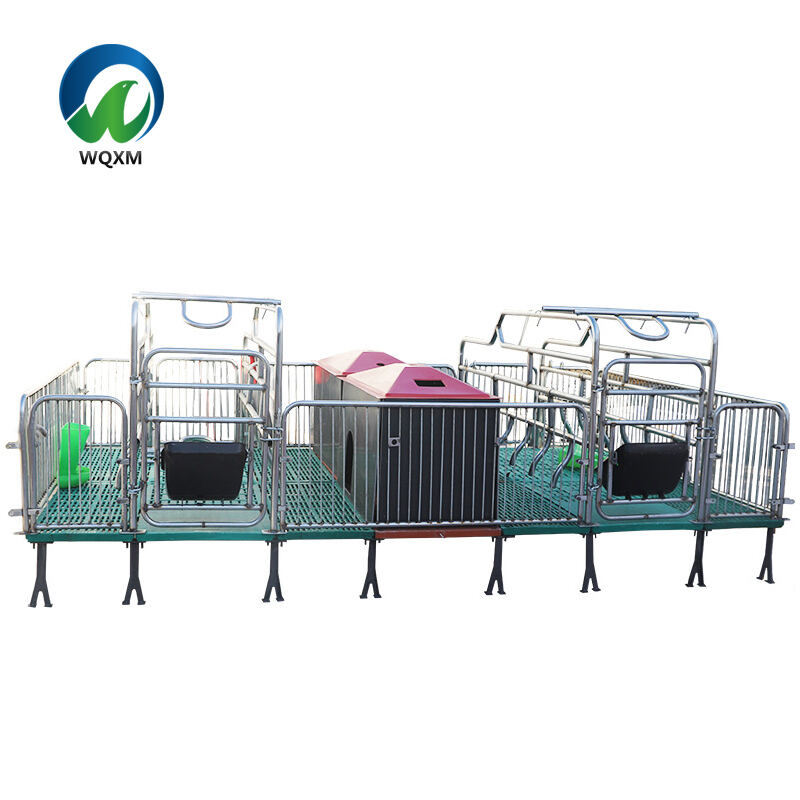
Premium Pig Feeding Trough Solutions - Advanced Agricultural Feeding Systems

Get a Free Quote

Our representative will contact you soon.
Email
Name
Company Name
Intended Products
Message
0/1000

pig feeding trough

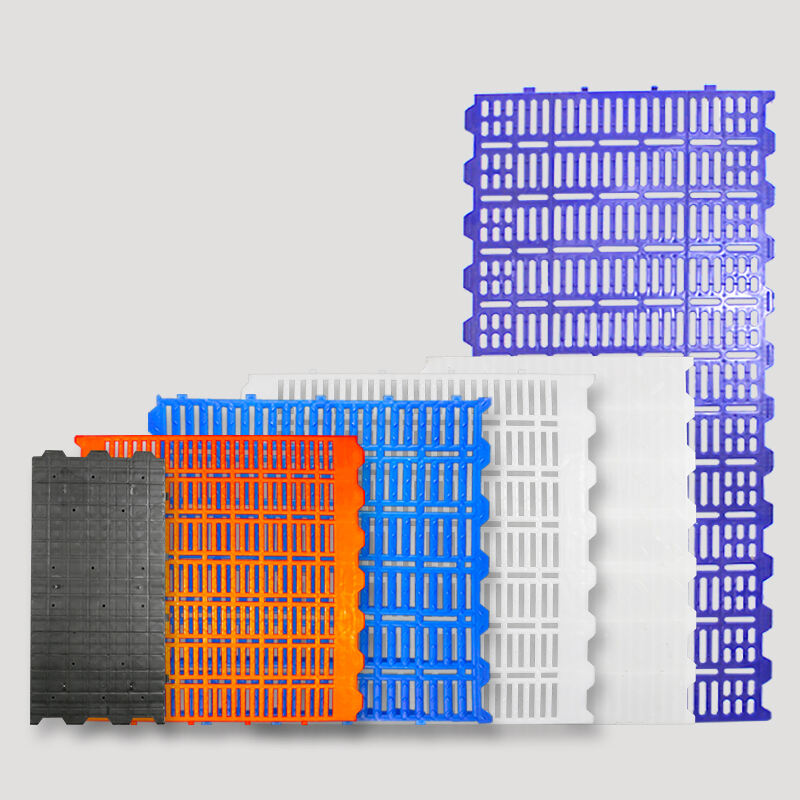
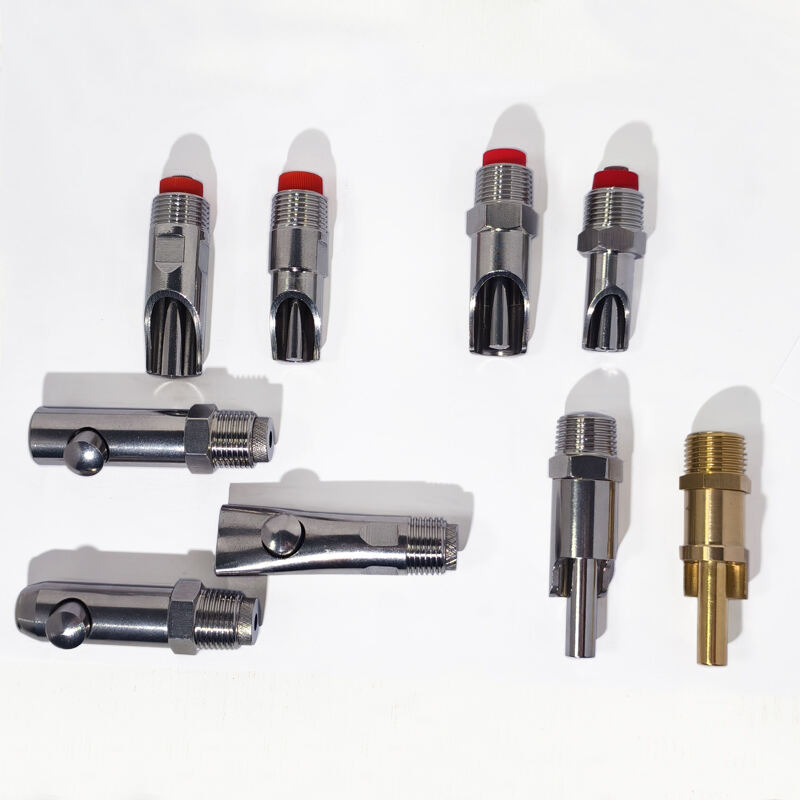
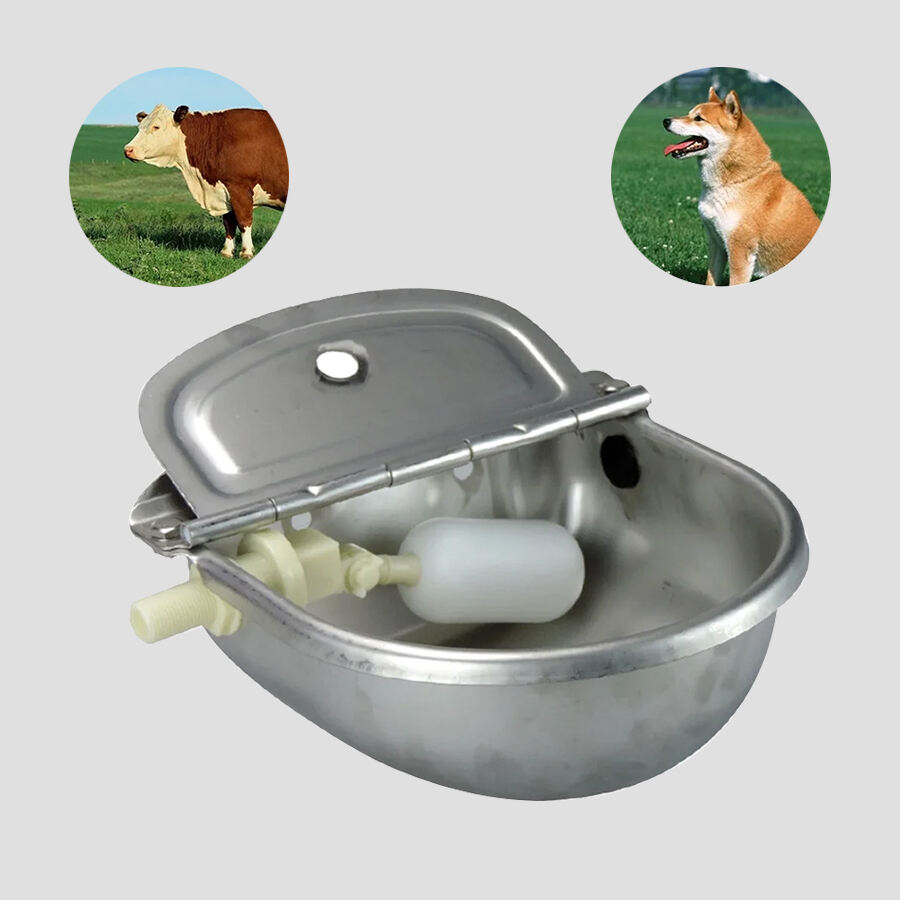
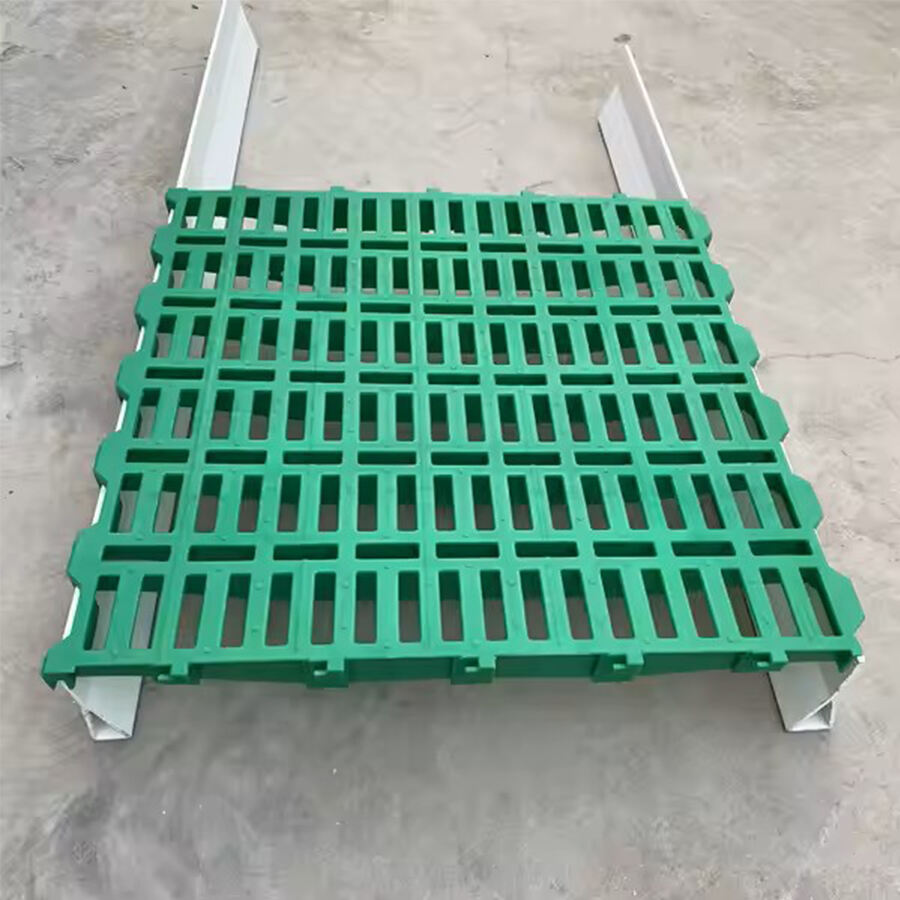
The pig feeding trough represents a fundamental component in modern swine management systems, designed to deliver efficient and hygienic feeding solutions for agricultural operations of all scales. This specialized equipment serves as the primary interface between feed distribution and animal consumption, ensuring optimal nutrition delivery while maintaining sanitary conditions. The pig feeding trough incorporates advanced engineering principles to maximize feed utilization, minimize waste, and promote healthy eating behaviors among livestock. Modern pig feeding trough designs feature durable construction materials that withstand constant use in challenging farm environments. These feeding systems utilize corrosion-resistant metals, high-grade plastics, and composite materials that ensure longevity while maintaining food safety standards. The structural integrity of each pig feeding trough allows for consistent performance under various weather conditions and heavy usage patterns. Contemporary pig feeding trough models integrate sophisticated feed flow mechanisms that regulate portion sizes and prevent overconsumption. These systems often include adjustable dispensing controls that accommodate different pig sizes and feeding schedules. The technological advancement in pig feeding trough design includes automated features that reduce labor requirements while improving feeding consistency. Many units incorporate sensor technology that monitors feed levels and consumption patterns, providing valuable data for farm management decisions. The versatility of modern pig feeding trough applications extends across various farming operations, from small family farms to large commercial facilities. These systems adapt to different housing arrangements, including outdoor paddocks, indoor facilities, and mixed-environment setups. The pig feeding trough design considerations include accessibility for different age groups, from piglets to mature breeding stock, ensuring comprehensive feeding solutions throughout the animal lifecycle.

Popular Products

The pig feeding trough offers substantial cost savings through reduced feed waste and improved conversion efficiency. Traditional feeding methods often result in significant feed spillage and contamination, leading to unnecessary expenses and environmental concerns. The pig feeding trough minimizes these losses through precise dispensing mechanisms and protective barriers that keep feed clean and accessible. Farmers experience immediate financial benefits as feed represents the largest operational expense in swine production, and reducing waste directly impacts profitability. The enhanced feed protection provided by quality pig feeding trough systems prevents moisture damage, pest contamination, and spoilage that commonly occur with ground feeding or inadequate storage solutions. Labor efficiency improvements represent another significant advantage of modern pig feeding trough installations. Automated and semi-automated systems reduce the time required for daily feeding routines, allowing farm workers to focus on other critical tasks such as health monitoring and facility maintenance. The pig feeding trough design enables consistent feeding schedules without constant supervision, improving overall farm productivity and worker satisfaction. Standardized feeding portions delivered through pig feeding trough systems ensure uniform animal growth and development across the entire herd. This consistency leads to more predictable market weights and improved product quality, essential factors for commercial success. The controlled environment created by proper pig feeding trough usage promotes better animal health outcomes by reducing competition stress and ensuring equal access to nutrition for all animals. Hygiene improvements achieved through pig feeding trough implementation significantly reduce disease transmission risks and veterinary costs. The enclosed feeding environment prevents external contamination while allowing for easy cleaning and sanitization between feeding cycles. Modern pig feeding trough materials resist bacterial growth and facilitate thorough cleaning protocols, maintaining optimal sanitary conditions. Environmental benefits include reduced soil contamination from feed spillage and improved water quality management around feeding areas. The pig feeding trough containment systems prevent nutrient runoff that can impact local water sources and surrounding vegetation. These environmental advantages align with sustainable farming practices and regulatory compliance requirements, positioning farms for long-term success in an increasingly environmentally conscious marketplace.

Practical Tips

Which gauge and length options matter in animal needle selection?

29

Jan

Which gauge and length options matter in animal needle selection?

Selecting the appropriate animal needle for veterinary procedures requires careful consideration of multiple factors that directly impact treatment efficacy and patient comfort. The gauge and length specifications of an animal needle determine its su...
View More
What Challenges Do Pig Farrowing Crates Create During Different Lactation Stages?

28

Feb

What Challenges Do Pig Farrowing Crates Create During Different Lactation Stages?

Pig farrowing crates represent one of the most critical components in modern swine production systems, yet they present numerous operational and welfare challenges throughout different lactation stages. These specialized housing units are designed to...
View More
Why Do Feeding Accuracy Issues Increase as Pig Farms Continue to Scale Up?

28

Feb

Why Do Feeding Accuracy Issues Increase as Pig Farms Continue to Scale Up?

Modern pig farming operations face unprecedented challenges as they expand to meet growing global protein demand. One of the most critical issues emerging in large-scale facilities is maintaining feeding accuracy across thousands of animals. When far...
View More
Is Manual Feeding Still Sustainable on Farms Without a Pig Auto Feeding Line?

28

Feb

Is Manual Feeding Still Sustainable on Farms Without a Pig Auto Feeding Line?

Modern pig farming operations face mounting pressure to balance efficiency, cost management, and animal welfare standards. Traditional manual feeding methods, once the backbone of agricultural practices, are increasingly scrutinized as farms expand a...
View More

Get a Free Quote

Our representative will contact you soon.
Email
Name
Company Name
Intended Products
Message
0/1000

pig feeding trough

Advanced Durability and Weather Resistance

Advanced Durability and Weather Resistance

The pig feeding trough construction utilizes premium materials engineered specifically for agricultural environments, ensuring exceptional longevity and consistent performance under extreme conditions. High-grade stainless steel components resist corrosion from moisture, feed acids, and cleaning chemicals, while reinforced polymer sections provide impact resistance against animal contact and equipment handling. The pig feeding trough design incorporates UV-stabilized materials that prevent degradation from prolonged sun exposure, maintaining structural integrity and appearance over extended periods. Weather-sealed joints and connections eliminate moisture infiltration that commonly causes premature failure in inferior feeding systems. The robust construction of modern pig feeding trough units includes reinforced mounting systems that secure equipment against strong winds, animal pressure, and ground movement. These mounting solutions accommodate various installation surfaces, from concrete slabs to packed earth, providing versatility for different farm layouts. Temperature resistance features ensure reliable operation in climates ranging from arctic conditions to tropical environments, making the pig feeding trough suitable for global agricultural applications. The materials science behind modern pig feeding trough manufacturing incorporates antimicrobial properties that inhibit bacterial growth on contact surfaces, contributing to overall herd health and feed safety. Advanced polymer formulations resist scratching and surface damage that create harboring points for pathogens, maintaining smooth, cleanable surfaces throughout the equipment lifespan. The pig feeding trough engineering includes expansion joints and flexible connections that accommodate thermal cycling without compromising structural integrity or creating gaps where contaminants might accumulate. Quality control processes ensure each pig feeding trough meets stringent agricultural standards for material composition, dimensional accuracy, and performance specifications. These manufacturing standards guarantee consistent product quality and reliable performance across all units, regardless of production batch or installation location.
Intelligent Feed Management Technology

Intelligent Feed Management Technology

Modern pig feeding trough systems incorporate sophisticated technology that revolutionizes traditional feeding practices through automated portion control, consumption monitoring, and adaptive dispensing capabilities. Smart sensors integrated within the pig feeding trough framework continuously monitor feed levels, consumption rates, and animal behavior patterns, providing real-time data for optimized nutrition management. This technology enables precise feed allocation based on individual animal requirements, growth stages, and nutritional objectives, maximizing feed efficiency and animal performance. The pig feeding trough control systems feature programmable dispensing schedules that accommodate various feeding protocols, from frequent small meals for young animals to larger portions for mature livestock. Advanced algorithms analyze consumption data to identify potential health issues early, alerting farm managers to animals showing decreased appetite or abnormal eating behaviors. The pig feeding trough technology includes remote monitoring capabilities that allow farm managers to oversee multiple feeding stations from centralized control points, improving operational efficiency and response times. Integration with farm management software enables comprehensive record-keeping for feed consumption, growth tracking, and production optimization. The pig feeding trough sensors detect environmental conditions such as temperature and humidity, automatically adjusting feed preservation and dispensing parameters to maintain optimal feed quality. Anti-waste mechanisms prevent overfilling and spillage through level sensors that halt dispensing when adequate feed quantities are present. The pig feeding trough technology includes backup power systems and fail-safe mechanisms that ensure continued operation during power outages or equipment malfunctions. User-friendly interfaces allow easy adjustment of feeding parameters without specialized technical knowledge, making advanced pig feeding trough technology accessible to farmers of all experience levels. Data analytics capabilities provide insights into feed conversion ratios, growth patterns, and operational efficiency, enabling continuous improvement in farm management practices.
Versatile Installation and Scalability Options

Versatile Installation and Scalability Options

The pig feeding trough design philosophy emphasizes adaptability and scalability to accommodate diverse farm operations, from small family enterprises to large commercial facilities, ensuring optimal feeding solutions regardless of operational scale or physical constraints. Modular construction principles allow pig feeding trough systems to expand incrementally as operations grow, protecting initial investments while providing clear upgrade paths for increased capacity. Flexible mounting options enable installation in various environments, including existing buildings, new construction projects, and outdoor facilities, maximizing the pig feeding trough utility across different farm layouts. The pig feeding trough engineering accommodates different pen configurations, from individual feeding stations to communal feeding areas, ensuring appropriate solutions for various management philosophies and animal housing systems. Standardized connection interfaces allow easy integration with existing feed distribution systems, minimizing installation complexity and reducing conversion costs for farms upgrading from traditional feeding methods. The pig feeding trough design includes height-adjustable components that accommodate animals of different sizes and ages, from weaning piglets to full-grown breeding stock, providing comprehensive feeding solutions throughout the production cycle. Portable configurations enable seasonal operations and rotational grazing systems, offering flexibility for farms that relocate feeding operations based on weather conditions or pasture management requirements. The pig feeding trough installation process requires minimal site preparation and can often be completed without specialized contractors, reducing implementation costs and time requirements. Compatibility with various power sources, including standard electrical connections, solar systems, and battery backup options, ensures reliable operation regardless of available infrastructure. The pig feeding trough scalability extends to capacity management, with systems capable of serving individual animals or large groups through networked configurations that maintain consistent feed quality and portion control across all stations. Maintenance accessibility features ensure all pig feeding trough components remain serviceable throughout their operational life, with replaceable parts and upgrade modules that extend system functionality without complete replacement requirements.

Tel Tel WhatApp WhatApp Email Email WeChat WeChat
WeChat