Superior Material Construction for Unmatched Durability
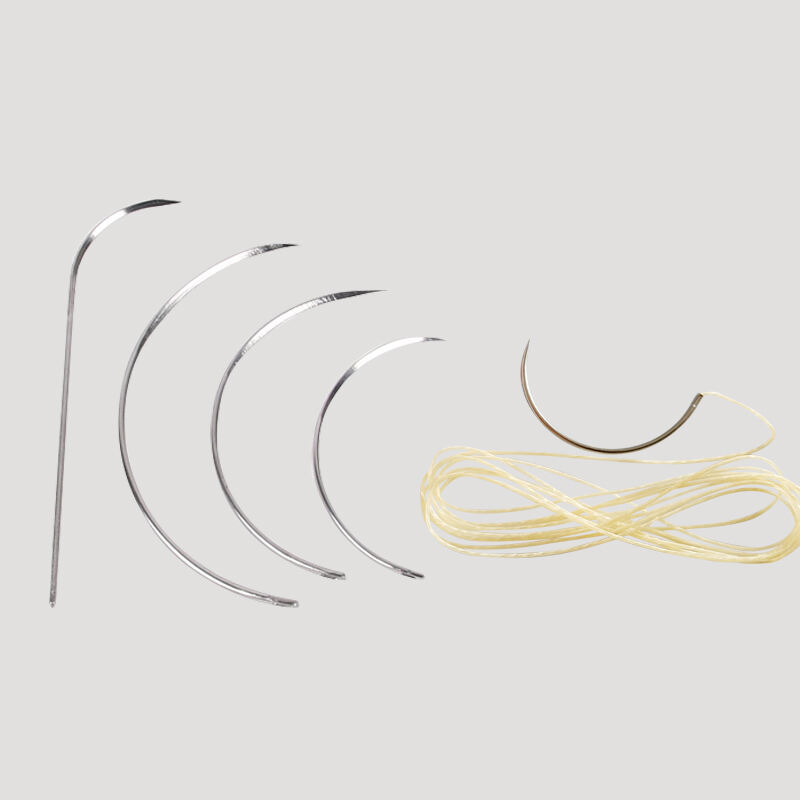
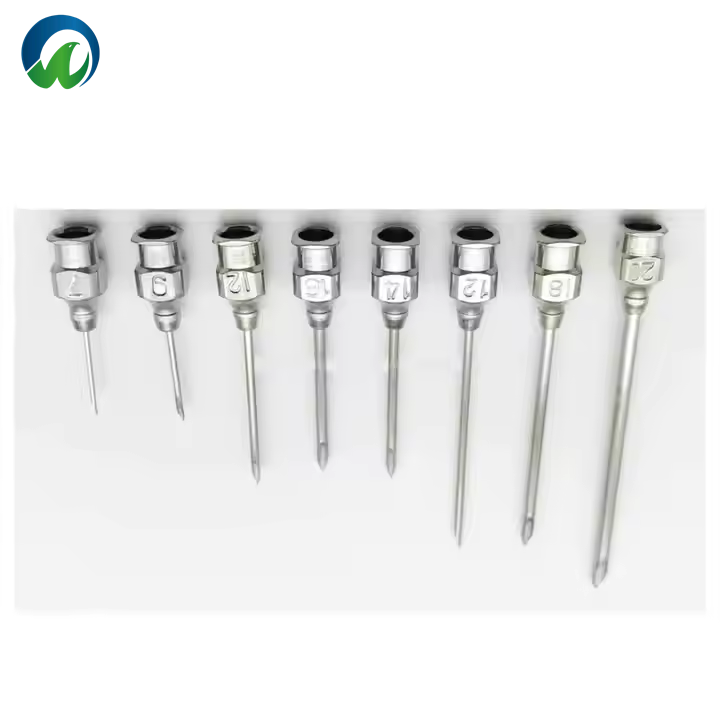
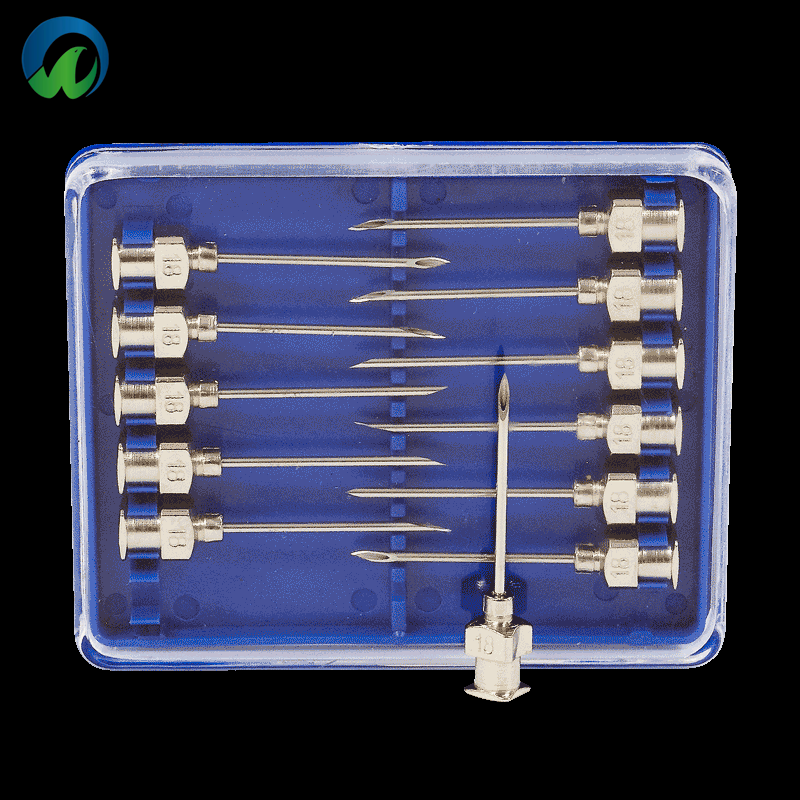
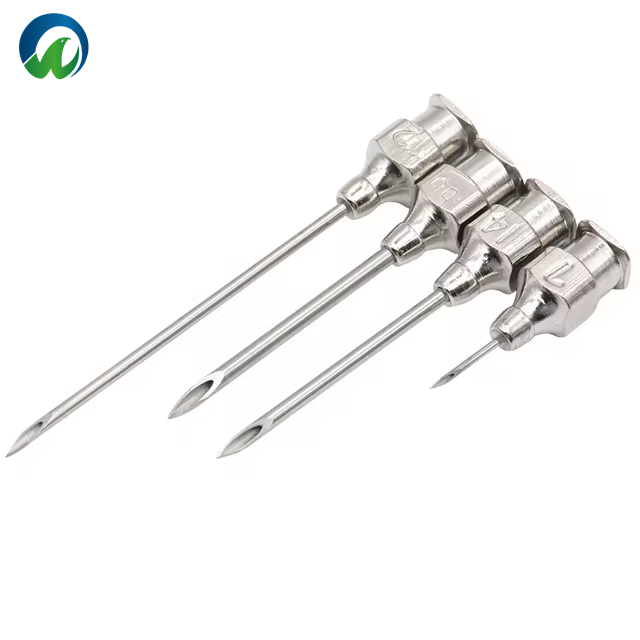
The exceptional material construction of veterinary needles represents a cornerstone of their superior performance, utilizing premium-grade stainless steel alloys specifically selected for veterinary applications. The base material composition incorporates high-carbon stainless steel that provides optimal hardness characteristics while maintaining corrosion resistance properties essential for repeated sterilization cycles and extended storage periods. The metallurgical properties of veterinary needle steel undergo rigorous testing to ensure consistent mechanical performance, including tensile strength measurements that guarantee the needle can withstand the stresses of penetrating tough animal hide without bending or breaking. The surface finishing process involves multiple polishing stages that create an ultra-smooth exterior finish, reducing friction during tissue penetration and minimizing the risk of tissue drag or trauma that could cause patient discomfort. Specialized coating treatments may be applied to enhance biocompatibility and reduce the potential for allergic reactions in sensitive animals, ensuring safe use across diverse species and individual animal sensitivities. The material selection process considers the unique demands of veterinary practice, where needles must perform reliably in challenging environments including outdoor settings, livestock facilities, and emergency field conditions. The corrosion resistance properties prove essential in agricultural environments where exposure to moisture, chemicals, and organic matter could compromise needle integrity and safety. Quality assurance protocols include comprehensive material testing procedures that verify chemical composition, mechanical properties, and surface characteristics before needles enter production. The superior material construction enables veterinary needles to maintain their sharpness and structural integrity through multiple sterilization cycles, providing consistent performance and reducing the frequency of needle replacements. The robust construction also ensures reliable performance in high-volume applications such as livestock vaccination programs, where needles must function effectively through hundreds of injections without performance degradation. This material superiority translates into tangible benefits for veterinary practices, including reduced equipment costs, improved procedural efficiency, and enhanced patient safety outcomes.
 EN
EN