Revolutionary Drainage Technology and Waste Management Efficiency
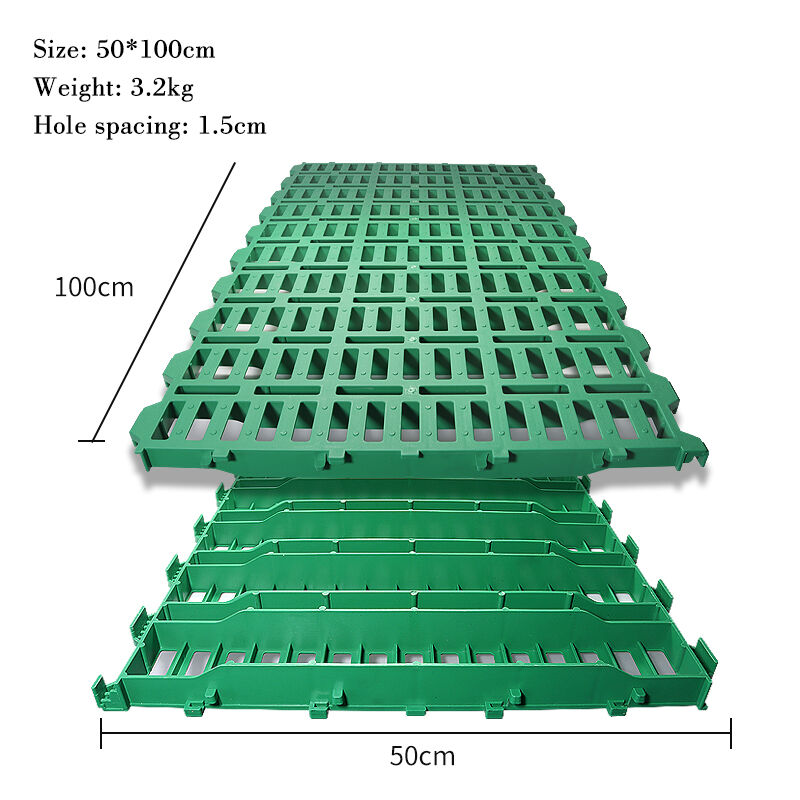
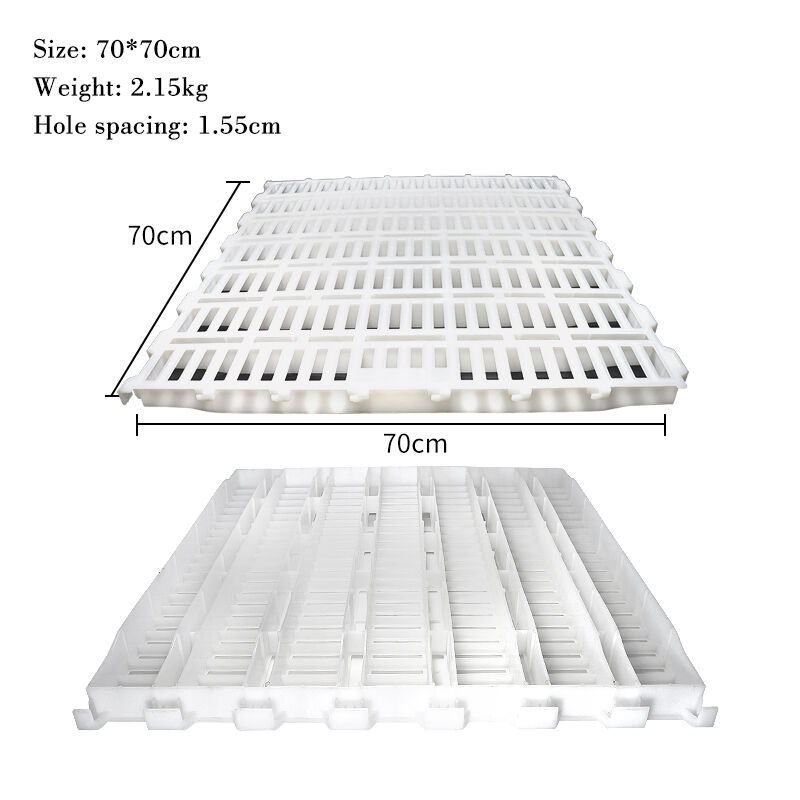
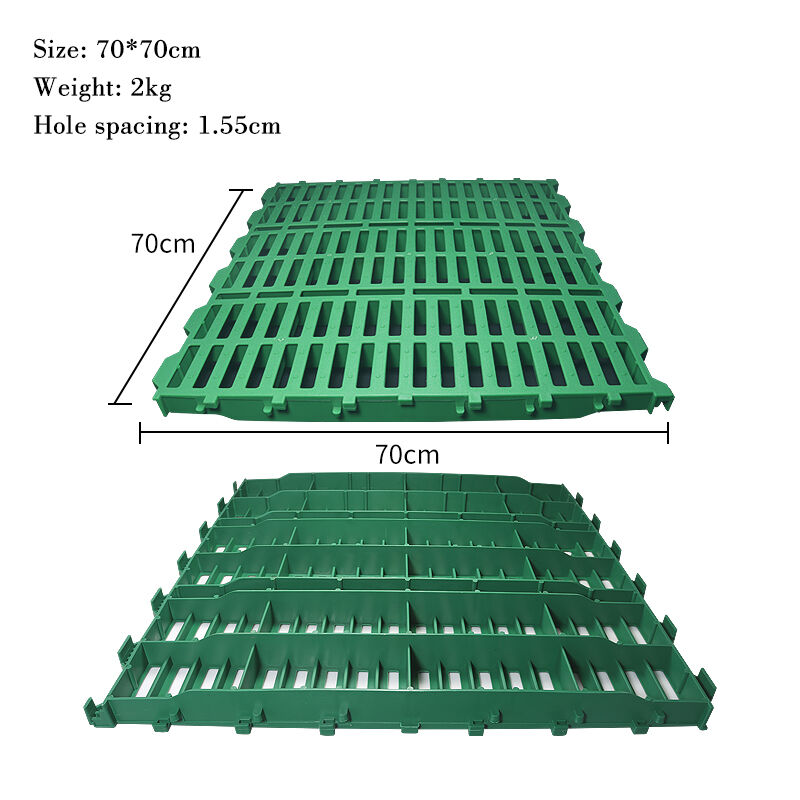
The new goat slat floor incorporates groundbreaking drainage technology that fundamentally transforms waste management practices in modern goat farming operations. This innovative system features precision-engineered slat spacing that has been scientifically optimized to provide maximum drainage efficiency while ensuring animal safety and comfort. The strategic placement of drainage channels creates a highly effective flow pattern that rapidly removes liquid waste from the animal contact surface, preventing the accumulation of moisture that can lead to bacterial growth and unhealthy environmental conditions. The advanced surface geometry of the new goat slat floor promotes natural waste separation, allowing liquid components to drain efficiently while solid materials remain accessible for mechanical removal through standard cleaning equipment. This sophisticated approach to waste management significantly reduces labor requirements while improving overall hygiene standards within the facility. The engineering principles behind this drainage system draw upon extensive research in fluid dynamics and agricultural waste management, resulting in a solution that outperforms traditional flooring options by substantial margins. Regular maintenance procedures are simplified through the self-cleaning characteristics of the new goat slat floor, as the smooth surface finish and optimal slat configuration prevent waste buildup and bacterial adhesion. The improved drainage performance directly contributes to reduced ammonia levels within the barn environment, creating healthier conditions for both animals and farm workers. This enhanced air quality translates into improved animal welfare outcomes, including reduced respiratory stress and lower incidence of hoof-related health issues. The economic benefits of superior drainage technology include reduced veterinary costs, improved feed conversion efficiency, and enhanced reproductive performance across the herd. Long-term operational advantages include decreased cleaning chemical requirements and reduced water consumption during routine maintenance procedures, supporting sustainable farming practices while controlling operational expenses.
 EN
EN