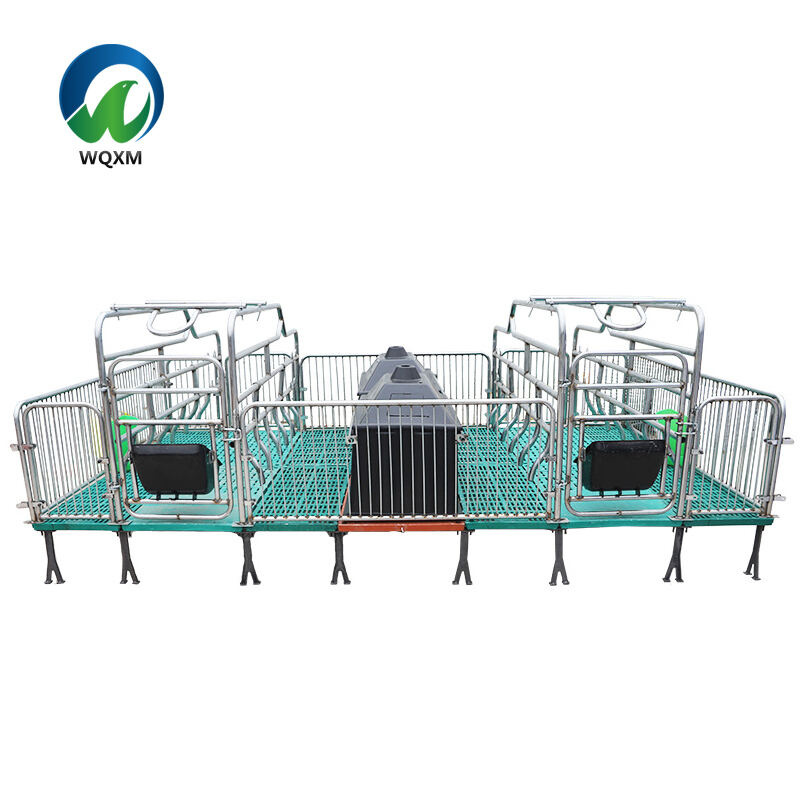
Versatile Applications Across Multiple Farming Operations
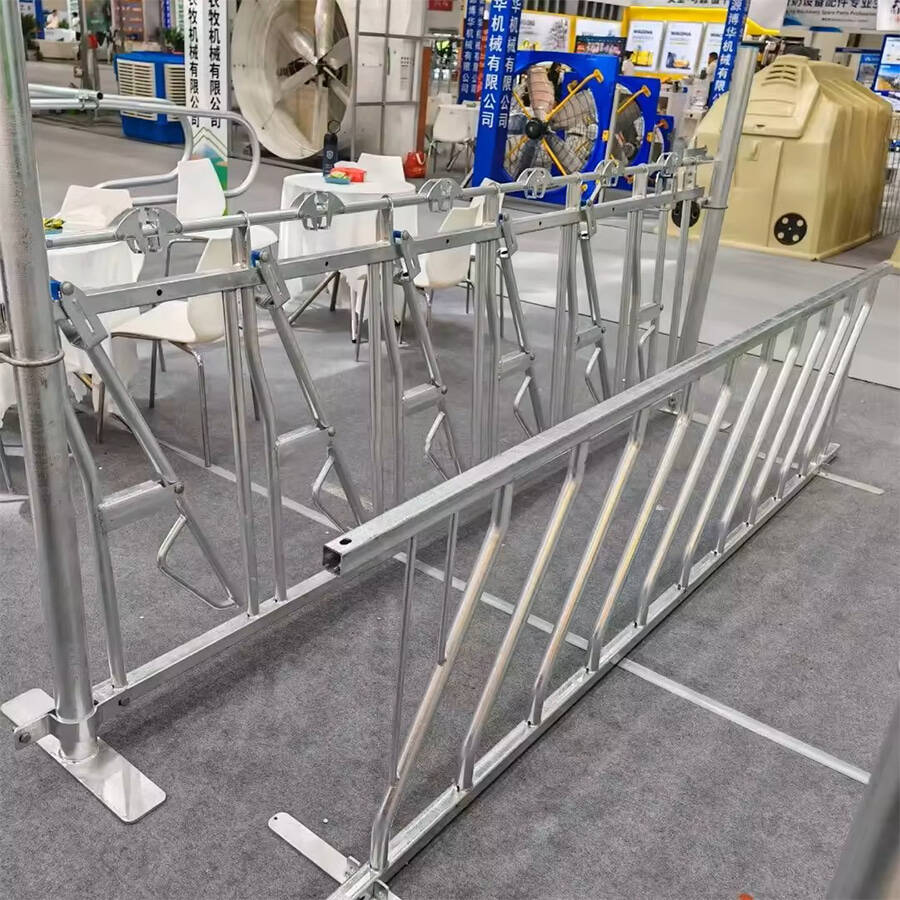
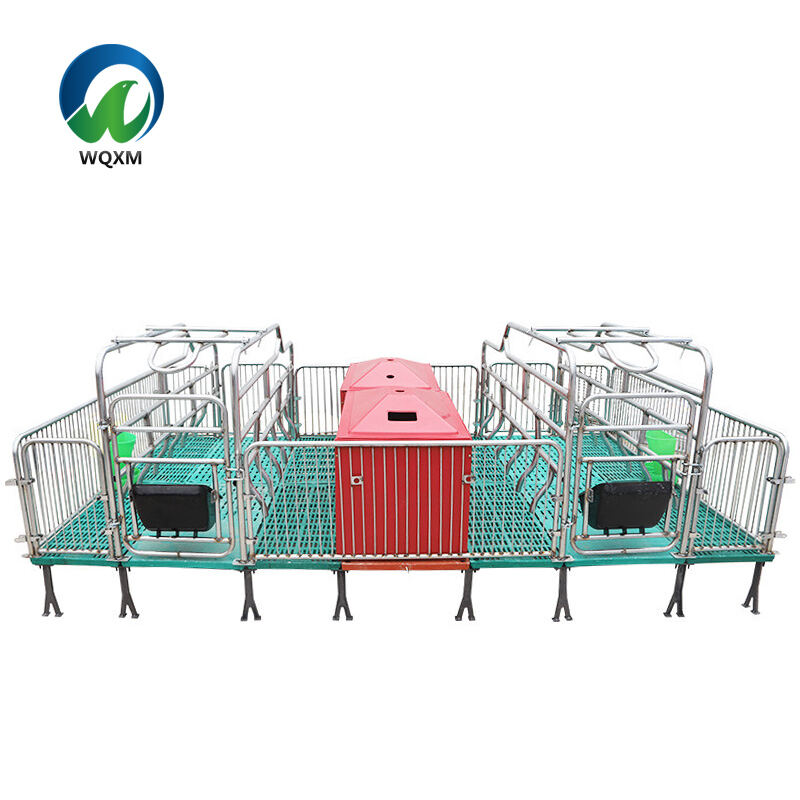
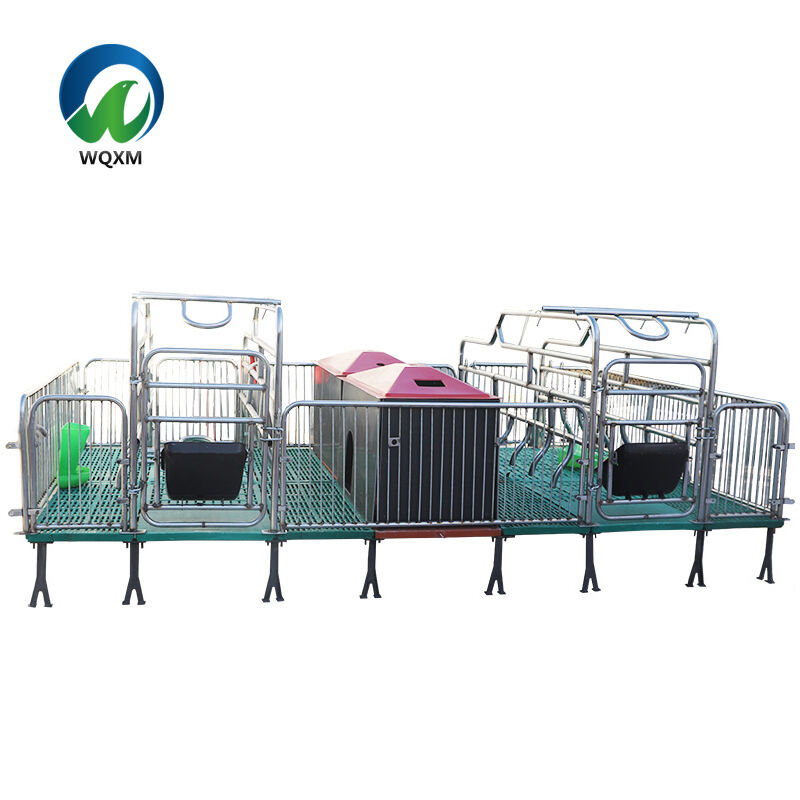
The remarkable adaptability of inexpensive pig farrowing crate systems enables successful implementation across diverse agricultural environments, from boutique heritage breed operations to large-scale commercial facilities, demonstrating the universal applicability of well-designed breeding infrastructure. Small family farms benefit from the scalable nature of these systems, allowing gradual expansion of breeding capabilities without overwhelming initial capital requirements that might prevent technology adoption. The modular design accommodates various barn configurations and existing infrastructure limitations, eliminating costly renovation requirements that often accompany equipment upgrades. Climate adaptability ensures effective operation across different geographical regions and seasonal variations, maintaining consistent performance regardless of external environmental challenges. Breed versatility allows the same equipment to service different pig varieties through adjustable components that customize dimensions and features according to specific animal requirements. The management flexibility supports various breeding philosophies and operational schedules, accommodating both intensive and extensive production approaches while maintaining animal welfare standards. Integration capabilities with existing farm management systems streamline operations and data collection processes essential for modern agricultural record-keeping and optimization efforts. The scalability factor enables farms to expand breeding operations incrementally as market conditions and financial resources permit, protecting investment timing and reducing business risks associated with large initial commitments. Maintenance simplicity ensures that farmers with varying technical expertise levels can successfully operate and service these systems, reducing dependence on specialized technicians or expensive service contracts. The standardized approach facilitates knowledge sharing and best practices development across farming communities, improving overall industry performance and breeding success rates. Educational institutions utilize these systems for training purposes, preparing future farmers with hands-on experience using modern breeding technologies that prepare them for professional careers. Research applications enable agricultural scientists to conduct controlled studies on breeding efficiency and animal welfare improvements, contributing to ongoing technological advancement and industry knowledge. Export compatibility allows international farming operations to benefit from proven designs while meeting local regulations and standards that govern agricultural equipment importation and usage.
 EN
EN