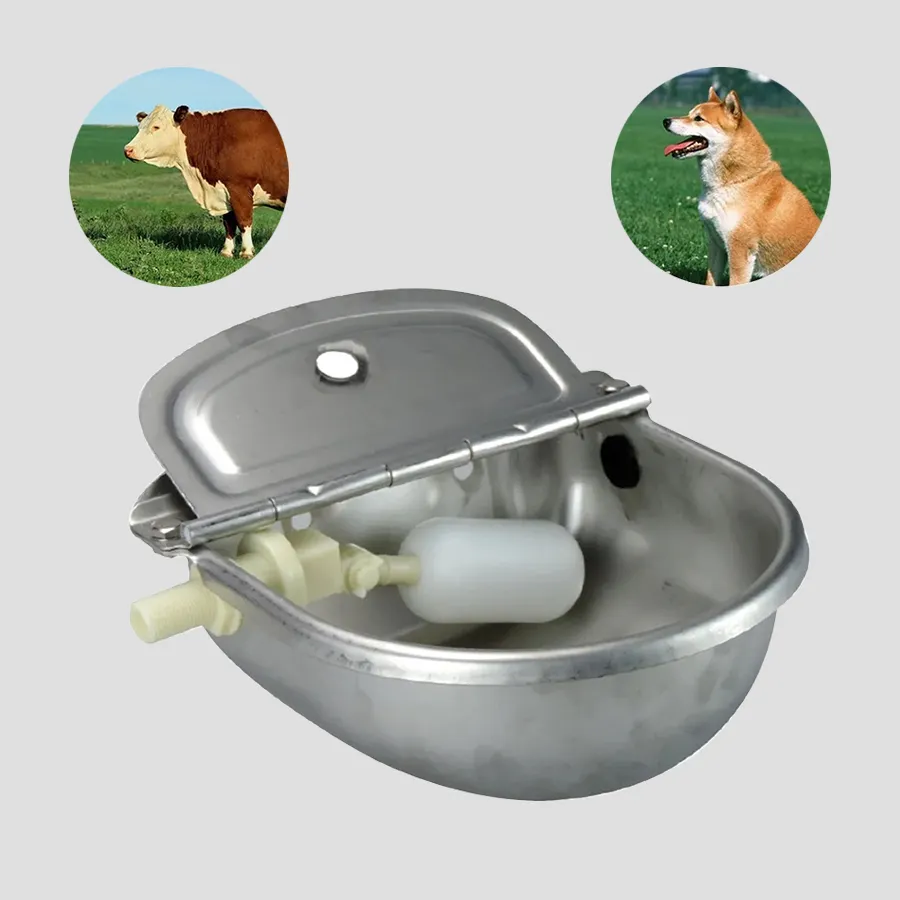
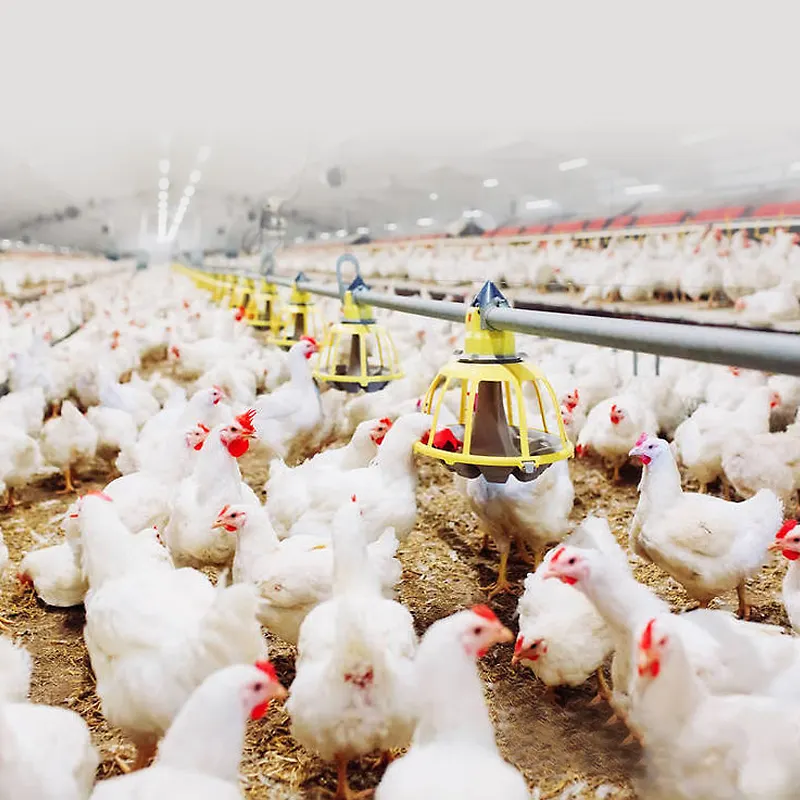
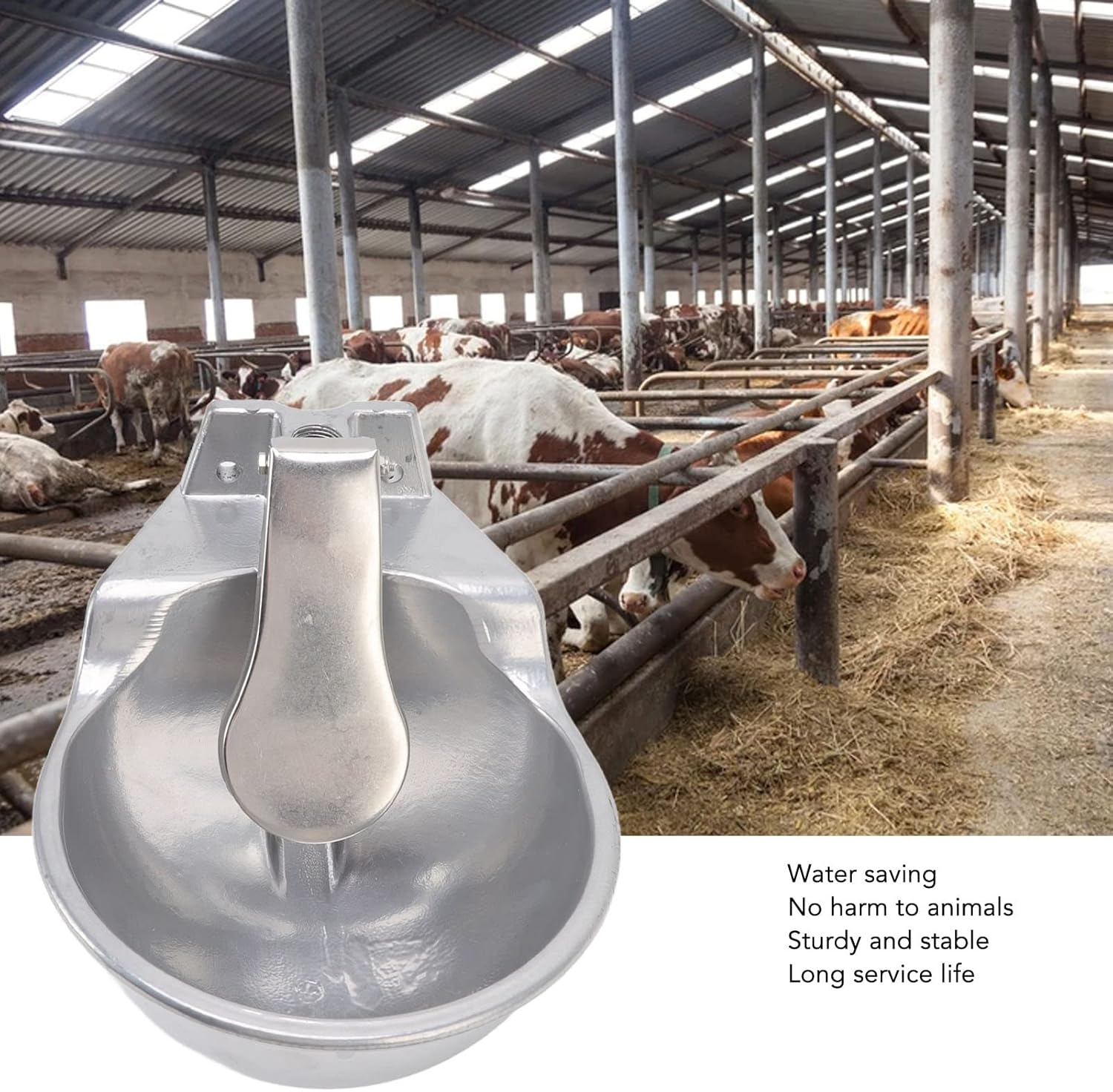
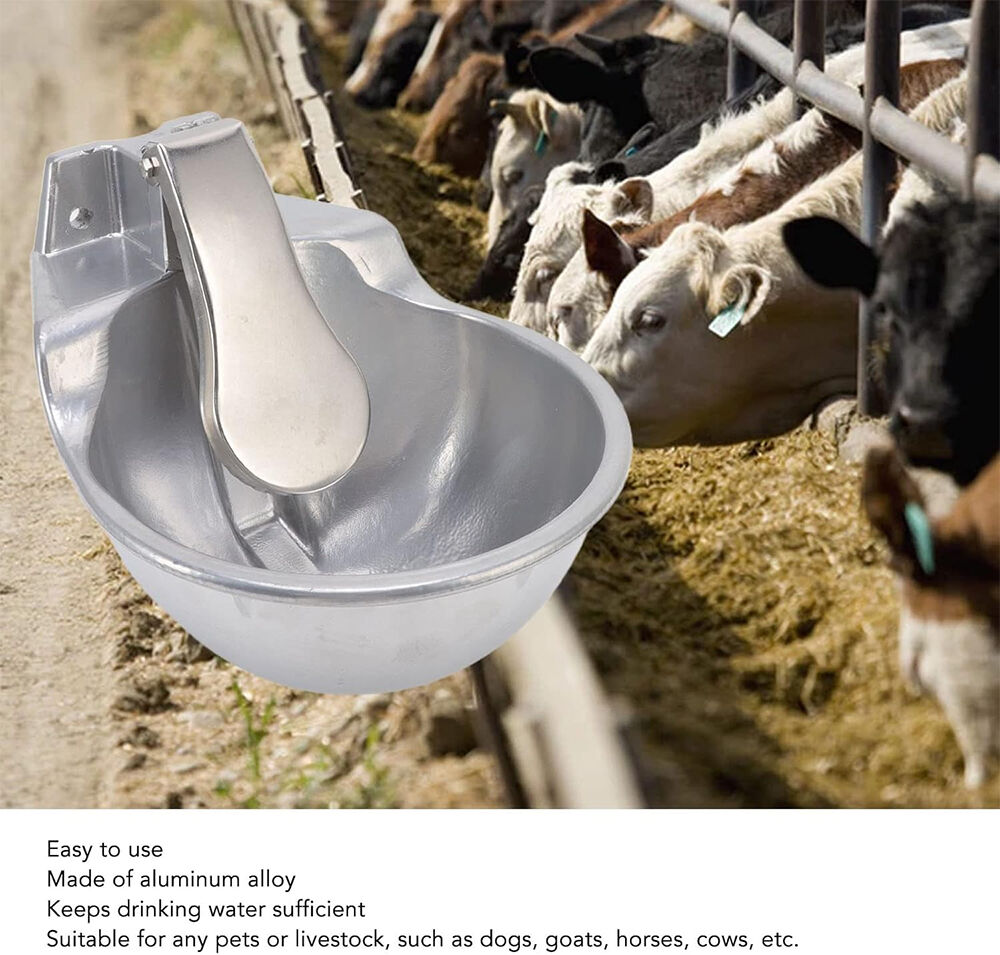
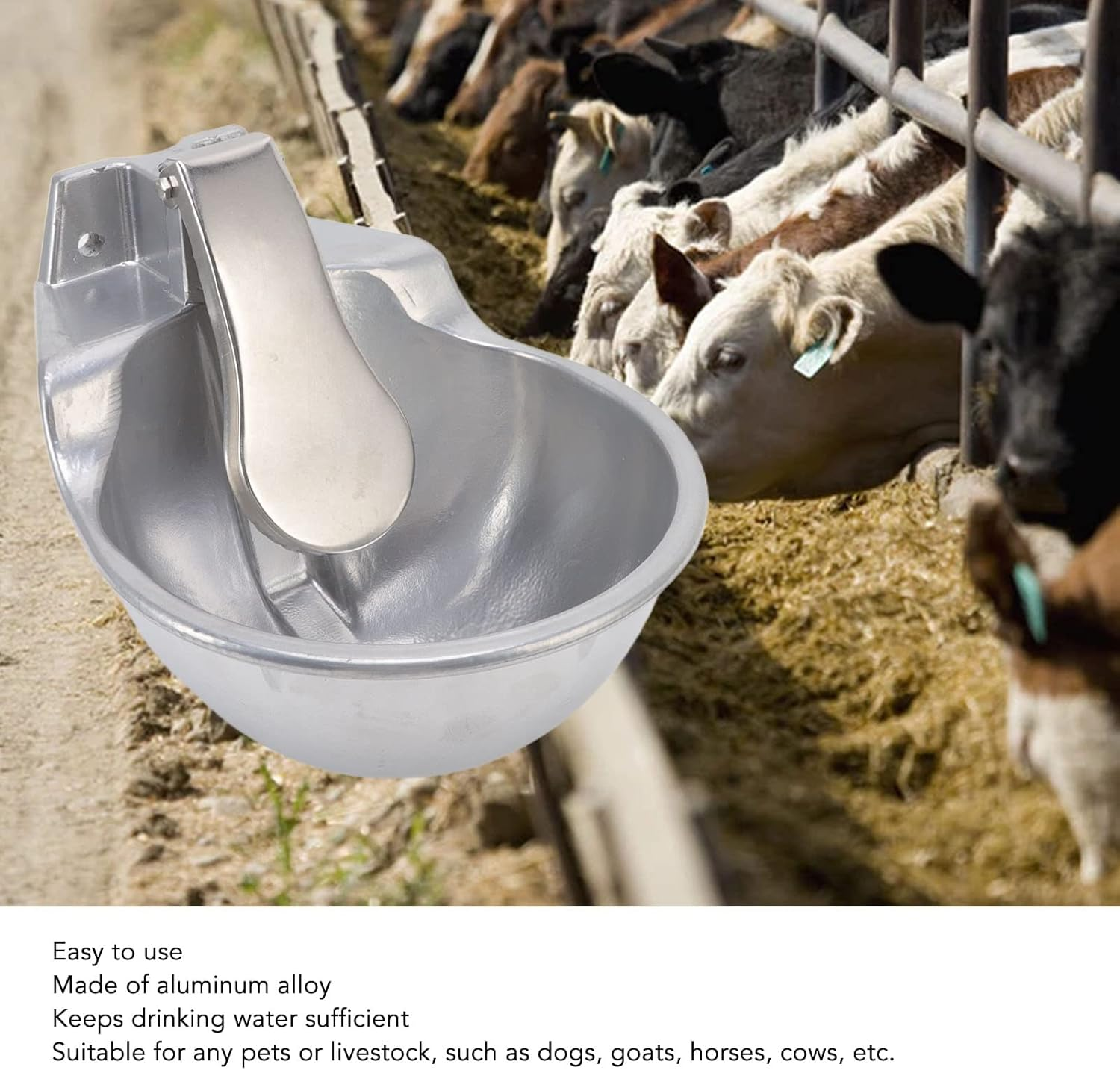
cattle drinking bowl factory
A cattle drinking bowl factory represents a specialized manufacturing facility dedicated to producing high-quality water dispensing systems for livestock operations. These sophisticated facilities combine advanced engineering principles with agricultural expertise to create durable, efficient water delivery solutions that meet the demanding needs of modern cattle farming. The primary function of a cattle drinking bowl factory centers on manufacturing automatic watering systems that ensure continuous access to fresh, clean water for cattle herds of various sizes. These facilities employ cutting-edge technology including precision molding equipment, automated assembly lines, and rigorous quality control systems to produce consistent, reliable products. The technological features of a modern cattle drinking bowl factory include computer-controlled injection molding machines that create precise bowl dimensions, automated valve assembly systems that ensure proper water flow regulation, and advanced testing equipment that validates product durability and performance. Manufacturing processes incorporate food-grade materials that comply with agricultural safety standards while maintaining resistance to harsh outdoor conditions. The applications of products from a cattle drinking bowl factory extend across diverse agricultural sectors including dairy farms, beef cattle operations, feedlots, and pasture management systems. These facilities produce various bowl types designed for different cattle ages and sizes, from calf-specific models to heavy-duty systems capable of serving large adult herds. Quality assurance protocols within the cattle drinking bowl factory environment include material testing, pressure testing, and field performance evaluations to ensure products meet stringent agricultural requirements. Modern facilities also focus on environmental sustainability by implementing water-efficient designs that minimize waste and reduce operational costs for farmers. The cattle drinking bowl factory infrastructure typically includes specialized production areas, quality testing laboratories, and research and development departments that continuously improve product designs based on real-world farming feedback.
 EN
EN