Premium Cattle Drinking Bowl Systems - Automated Livestock Watering Solutions for Modern Farms

Get a Free Quote

Our representative will contact you soon.
Email
Name
Company Name
Intended Products
Message
0/1000

cattle drinking bowl

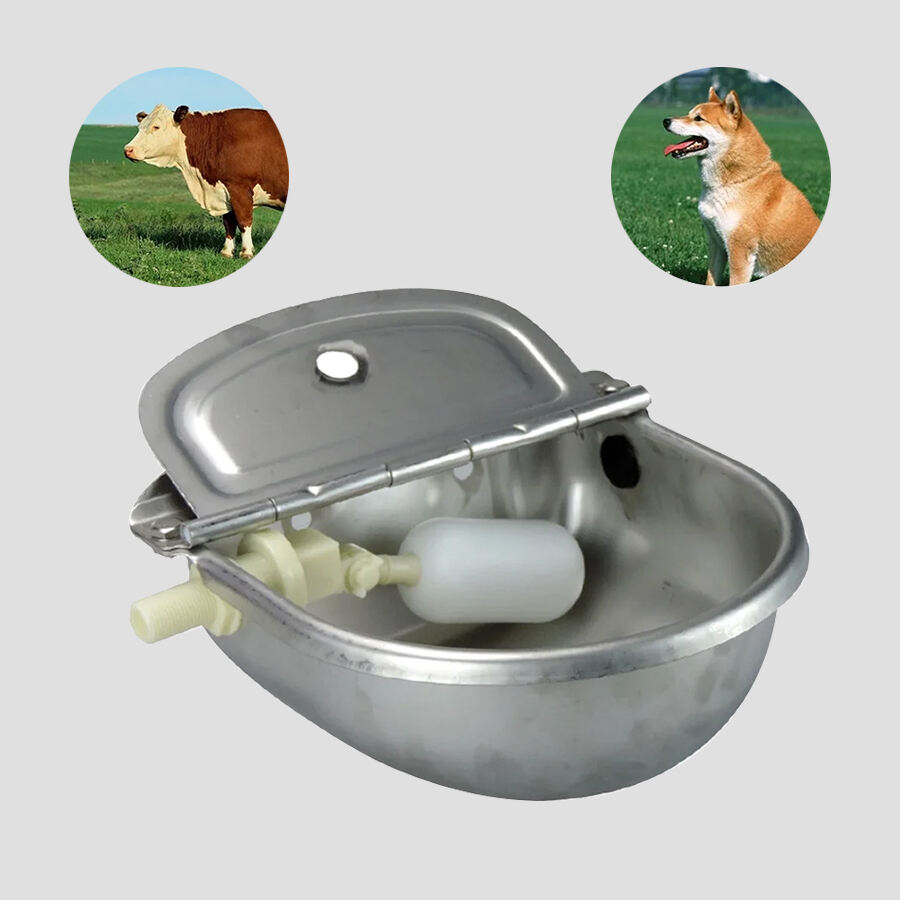
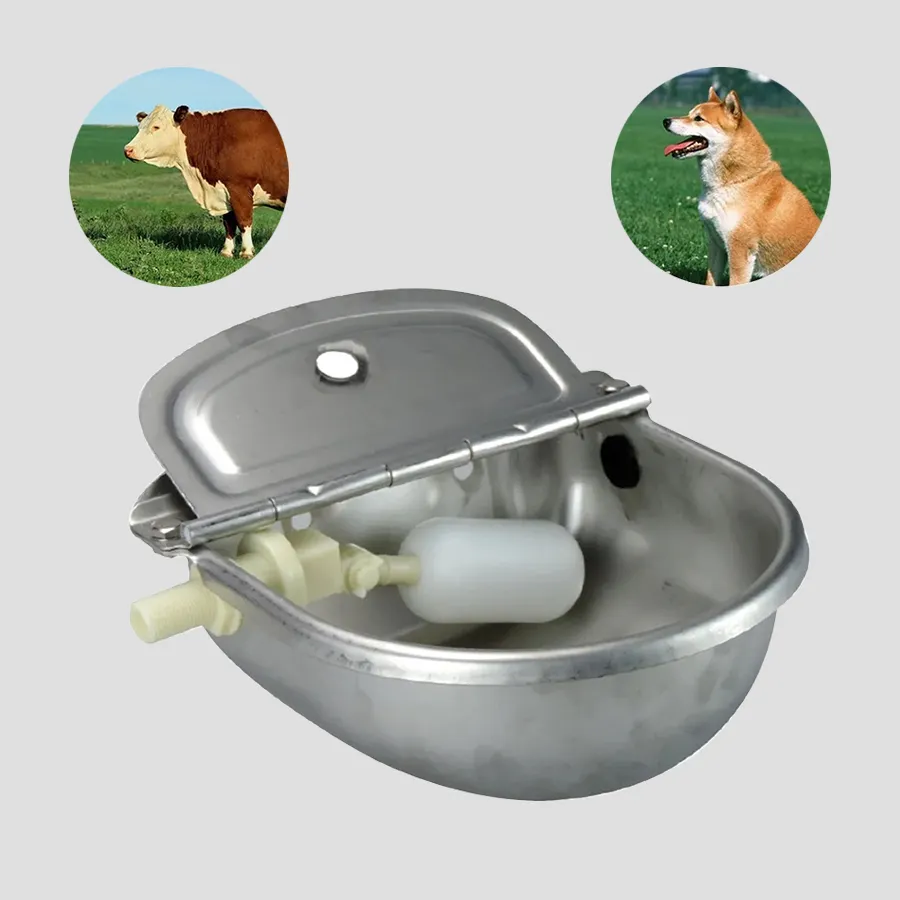
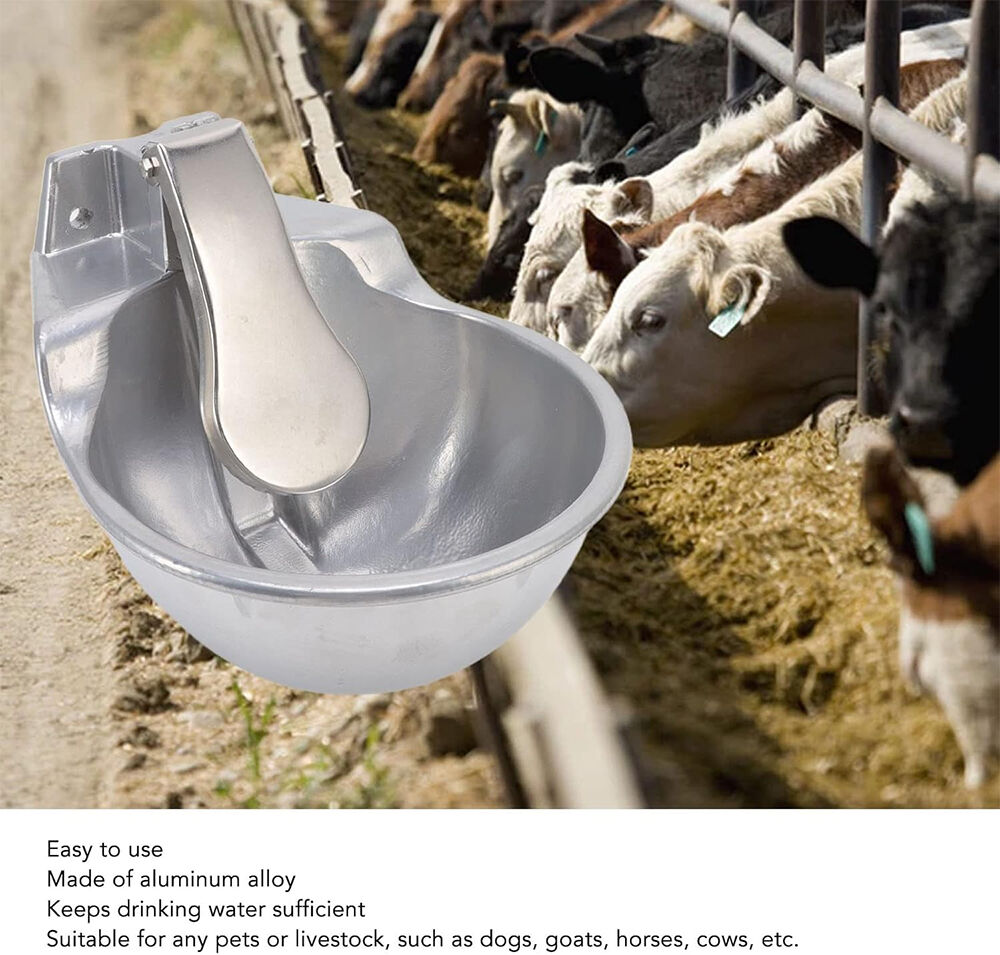
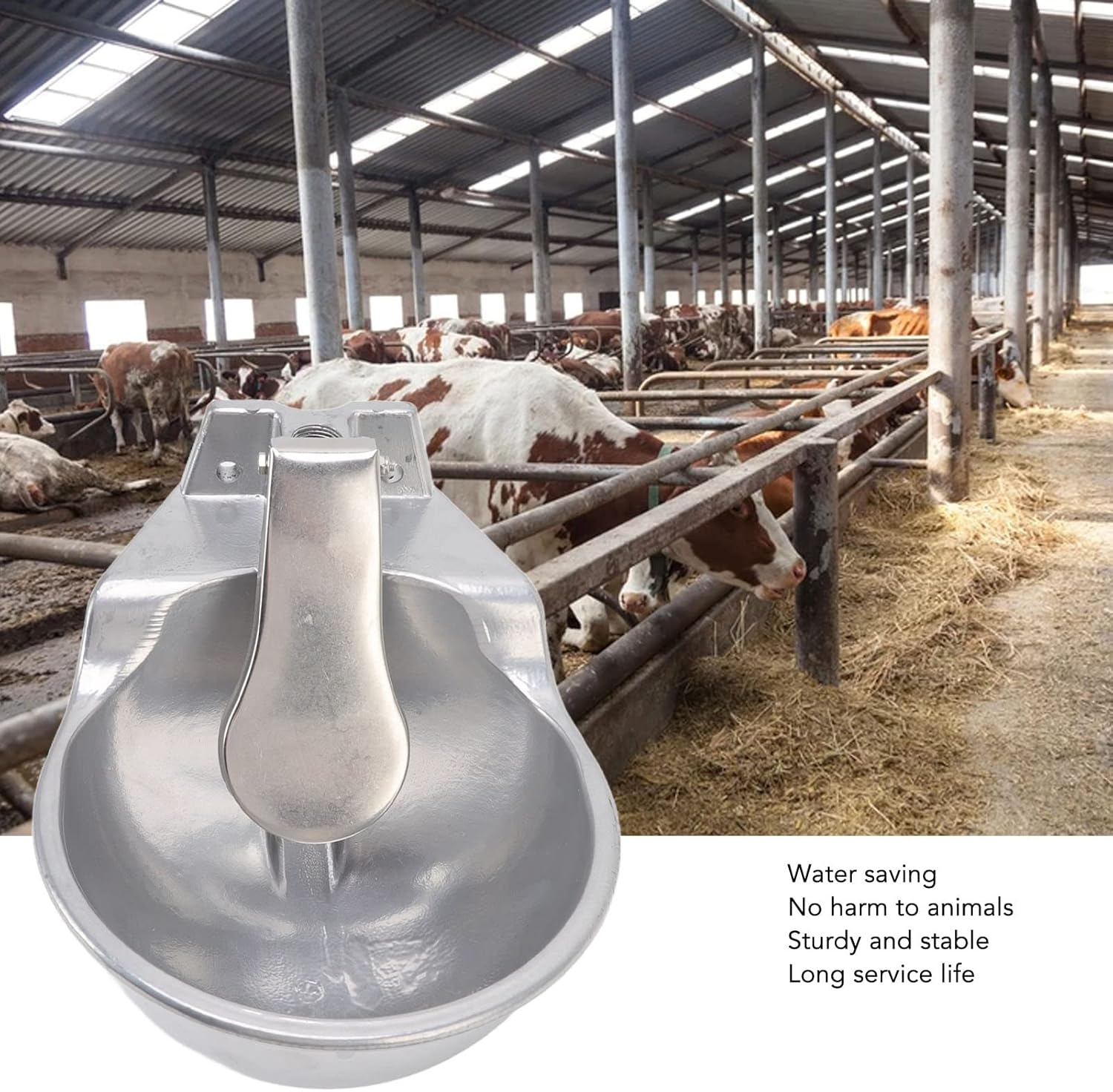
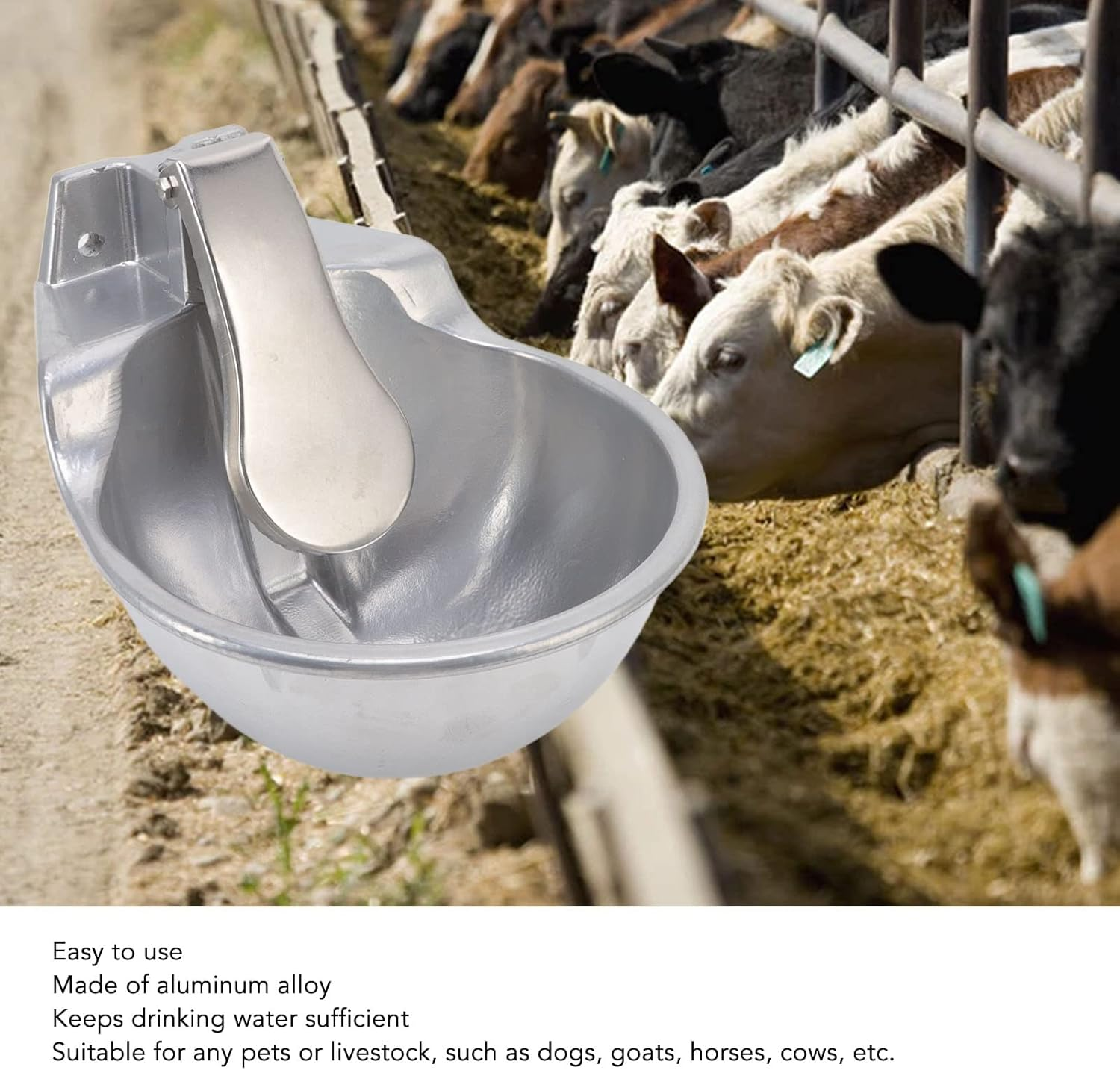
The cattle drinking bowl represents a revolutionary advancement in livestock hydration systems, designed to provide consistent and reliable water access for cattle operations of all sizes. This innovative watering solution combines durability, efficiency, and practicality to meet the demanding requirements of modern dairy farms, beef ranches, and feedlots. The cattle drinking bowl serves as an automated water dispensing unit that maintains a steady supply of fresh water while minimizing waste and labor requirements. At its core, this system features a float-activated valve mechanism that automatically refills the bowl when water levels drop, ensuring cattle have continuous access to clean drinking water throughout the day. The technological foundation of the cattle drinking bowl incorporates corrosion-resistant materials, typically constructed from high-grade stainless steel or heavy-duty polymers that withstand harsh weather conditions and aggressive animal behavior. The bowl's design accommodates multiple animals simultaneously, featuring a wide drinking surface that reduces competition and stress among cattle. Advanced models integrate freeze-resistant heating elements for year-round operation in cold climates, while others include filtration systems to maintain water quality. The installation process involves connecting the cattle drinking bowl to existing water lines, with adjustable mounting brackets allowing for versatile placement options. Key technological features include pressure-sensitive valves, anti-splash designs, and easy-access maintenance panels. Applications extend across various agricultural settings, from small family farms to large commercial operations. The cattle drinking bowl proves particularly valuable in pasture management systems, where traditional water sources may be limited or impractical. Additionally, these systems excel in confined feeding operations, reducing the need for manual water tank filling and monitoring. The versatility of the cattle drinking bowl makes it suitable for different cattle breeds and age groups, with adjustable height settings accommodating both adult cattle and younger animals.

New Products

The cattle drinking bowl delivers substantial benefits that transform water management practices on farms and ranches, creating measurable improvements in both operational efficiency and animal welfare. Water conservation stands as a primary advantage, as the automatic refill mechanism prevents overflow and eliminates the waste associated with traditional tank systems. Farmers report water savings of up to 30 percent when switching to cattle drinking bowl systems, translating to significant cost reductions over time. The self-regulating nature of these bowls ensures optimal water levels without constant human intervention, freeing up valuable labor hours for other essential farm tasks. This automation proves especially beneficial during peak seasons when workforce demands reach their highest levels. The cattle drinking bowl promotes superior animal health through consistent access to fresh, clean water, which directly impacts milk production in dairy operations and weight gain in beef cattle. Research demonstrates that cattle with unrestricted access to quality water through drinking bowl systems show improved feed conversion rates and overall productivity metrics. The hygienic design of modern cattle drinking bowls reduces bacterial contamination risks compared to open water sources, minimizing disease transmission and veterinary costs. Installation flexibility allows farmers to position these systems strategically throughout their operations, reducing travel distances for cattle and improving pasture utilization patterns. The durability of quality cattle drinking bowl units ensures long-term reliability, with many systems operating effectively for over a decade with minimal maintenance requirements. Economic benefits extend beyond water savings to include reduced labor costs, decreased veterinary expenses, and improved livestock performance metrics. The cattle drinking bowl system adapts to seasonal variations, with freeze-resistant models maintaining functionality during winter months when traditional water sources may become unusable. Energy efficiency represents another significant advantage, as these systems typically require minimal power consumption compared to alternative watering solutions. The scalability of cattle drinking bowl installations allows operations to expand gradually, adding units as herd sizes increase without major infrastructure overhauls. Quality assurance features built into modern systems provide peace of mind for livestock managers, with fail-safe mechanisms preventing water shortages that could compromise animal welfare.

Latest News

How Do Animal Drinking Bowls Vary by Animal Type?

05

Jan

How Do Animal Drinking Bowls Vary by Animal Type?

Designing Livestock Hydration: The Science Behind Effective Animal Drinking Bowls Animal drinking bowls play a pivotal role in safeguarding the health, hydration and productivity of diverse livestock and domestic animals. The significance of pro...
View More
How Do Modern Chicken Feeding Systems Reduce Waste?

05

Jan

How Do Modern Chicken Feeding Systems Reduce Waste?

Advanced Chicken Feeding Systems: Boosting Poultry Efficiency In commercial poultry farming, reducing feed waste is both an economic necessity and a sustainability strategy. With the rising global demand for chicken meat and eggs, optimizing feeding...
View More
What Are the Best Design Features of Chicken Transport Crates?

05

Jan

What Are the Best Design Features of Chicken Transport Crates?

Modern Poultry Transport: Key Design Elements of Chicken Transport Crates The transportation of live poultry requires carefully engineered solutions that prioritize both animal welfare and operational efficiency. Chicken transport crates have evolve...
View More
Is Manual Feeding Still Sustainable on Farms Without a Pig Auto Feeding Line?

28

Feb

Is Manual Feeding Still Sustainable on Farms Without a Pig Auto Feeding Line?

Modern pig farming operations face mounting pressure to balance efficiency, cost management, and animal welfare standards. Traditional manual feeding methods, once the backbone of agricultural practices, are increasingly scrutinized as farms expand a...
View More

Get a Free Quote

Our representative will contact you soon.
Email
Name
Company Name
Intended Products
Message
0/1000

cattle drinking bowl

Advanced Float Valve Technology for Consistent Water Supply

Advanced Float Valve Technology for Consistent Water Supply

The sophisticated float valve technology incorporated in modern cattle drinking bowl systems represents a breakthrough in automated livestock watering solutions, delivering unprecedented reliability and precision in water level management. This innovative mechanism operates through a carefully calibrated float assembly that responds to water level fluctuations with remarkable accuracy, ensuring cattle always have access to fresh water without the risk of overflow or shortage. The float valve system within the cattle drinking bowl utilizes marine-grade materials and precision engineering to withstand the demanding agricultural environment while maintaining consistent performance across varying weather conditions and usage patterns. Unlike traditional gravity-fed systems that rely on simple overflow mechanisms, the advanced float valve technology monitors water consumption in real-time, automatically adjusting flow rates to match herd demand. This intelligent response system prevents water waste while ensuring adequate supply during peak drinking periods, such as after feeding or during hot weather when cattle water consumption increases dramatically. The durability of the float valve mechanism proves essential for long-term operation, with corrosion-resistant components that resist mineral buildup and bacterial growth commonly found in agricultural water systems. Maintenance requirements remain minimal due to the self-cleaning action of the float assembly, which prevents debris accumulation that could compromise system functionality. The precision engineering of the cattle drinking bowl float valve allows for fine-tuned pressure adjustments, accommodating different water pressure conditions found across various farm locations. This adaptability ensures optimal performance whether the system connects to municipal water supplies, well water systems, or gravity-fed sources. The reliability of this technology translates to significant labor savings for farm operators, eliminating the need for constant monitoring and manual refilling associated with traditional watering methods. Additionally, the consistent water supply provided by the float valve system supports optimal cattle health and productivity, as research indicates that irregular water access can negatively impact feed intake, milk production, and overall animal welfare. The economic benefits of this advanced technology compound over time, with reduced water waste, lower labor costs, and improved livestock performance creating substantial returns on investment for cattle operations of all sizes.
Freeze-Resistant Design for Year-Round Operation

Freeze-Resistant Design for Year-Round Operation

The freeze-resistant capabilities of premium cattle drinking bowl systems revolutionize livestock water management in cold climates, providing uninterrupted access to liquid water even during the harshest winter conditions. This critical feature addresses one of the most significant challenges facing cattle operations in northern regions, where traditional water sources become unusable for months at a time due to freezing temperatures. The cattle drinking bowl incorporates sophisticated heating elements strategically positioned throughout the bowl structure to maintain water temperature above freezing point while minimizing energy consumption. These heating systems utilize thermostatically controlled elements that activate automatically when temperatures approach freezing, providing precise temperature regulation without operator intervention. The insulated construction of freeze-resistant cattle drinking bowl models features double-wall design with high-performance insulation materials that retain heat effectively while protecting internal components from temperature extremes. This thermal management system ensures reliable operation in temperatures well below freezing, with many units tested and proven effective in conditions reaching -30°F or lower. The energy-efficient design of the heating system incorporates advanced thermal sensors and smart controls that optimize power consumption based on ambient conditions, reducing operational costs while maintaining system effectiveness. Installation considerations for freeze-resistant cattle drinking bowl units include proper electrical connections and weatherproof housing that protects heating elements from moisture and environmental damage. The durability of these systems in cold weather conditions exceeds traditional alternatives, with specialized materials and coatings that resist thermal shock and ice formation. Maintenance protocols for freeze-resistant models remain straightforward, with accessible heating elements and diagnostic systems that alert operators to potential issues before system failures occur. The operational benefits extend beyond mere freeze protection to include improved water quality, as the continuous circulation and heating prevent stagnation and bacterial growth common in stagnant water sources. Economic advantages of freeze-resistant cattle drinking bowl systems include eliminated costs of breaking ice, hauling water, or installing temporary heating solutions during winter months. The productivity benefits for cattle operations prove substantial, as consistent water access during cold periods maintains feed intake levels and supports continued weight gain or milk production when other operations may experience seasonal declines. Safety improvements represent another crucial advantage, as automated systems eliminate the need for personnel to venture into dangerous conditions for manual water management tasks, reducing workplace injury risks during winter operations.
Easy Installation and Low Maintenance Requirements

Easy Installation and Low Maintenance Requirements

The streamlined installation process and minimal maintenance demands of modern cattle drinking bowl systems make these solutions accessible and practical for livestock operations regardless of size or technical expertise. Professional installation typically completes within hours, requiring only basic plumbing connections and standard electrical hookups for heated models, making the cattle drinking bowl an attractive upgrade for existing facilities. The modular design of quality systems accommodates various installation scenarios, from permanent concrete pad mounting to portable configurations that support rotational grazing operations. Installation flexibility extends to height adjustments and positioning options, allowing operators to customize the cattle drinking bowl placement for optimal accessibility across different cattle breeds and age groups. The straightforward connection process involves standard plumbing fittings that integrate seamlessly with existing water distribution systems, eliminating the need for specialized tools or extensive infrastructure modifications. Detailed installation guides and support resources ensure successful implementation, even for operators without extensive technical backgrounds. Maintenance requirements for cattle drinking bowl systems remain remarkably low compared to alternative watering solutions, with routine cleaning and periodic inspection comprising the primary ongoing tasks. The self-cleaning action of the float valve mechanism reduces debris accumulation, while accessible design features allow for quick visual inspections and minor adjustments when needed. Preventive maintenance schedules typically require only quarterly attention for cleaning and annual inspections for component wear, significantly reducing the time investment compared to daily maintenance required by traditional water tank systems. Replacement parts availability ensures long-term serviceability, with manufacturers maintaining inventory of critical components like float assemblies, valve mechanisms, and heating elements for quick resolution of any issues. The diagnostic capabilities built into advanced cattle drinking bowl models provide early warning indicators for potential problems, allowing proactive maintenance that prevents system failures and livestock disruption. Cost-effective maintenance protocols include simple cleaning procedures using standard farm equipment and supplies, eliminating the need for specialized chemicals or professional service calls for routine upkeep. Training requirements for farm personnel remain minimal, with intuitive operation and clear maintenance procedures that integrate easily into existing farm management routines. The reliability record of quality cattle drinking bowl systems demonstrates exceptional durability, with many units providing decades of service with minimal intervention, making them a sound long-term investment for agricultural operations. Troubleshooting guides and manufacturer support ensure rapid resolution of any issues, minimizing downtime and maintaining consistent water access for livestock throughout the operational life of the system.
Tel Tel WhatApp WhatApp Email Email WeChat WeChat
WeChat