EN
EN


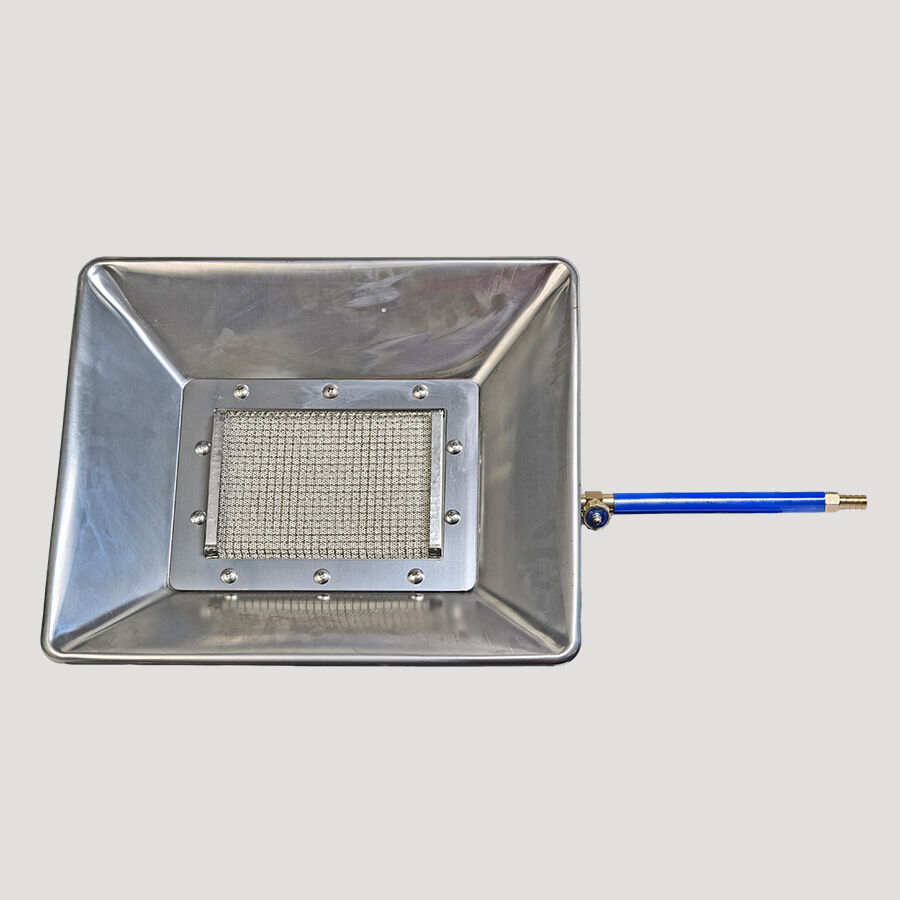
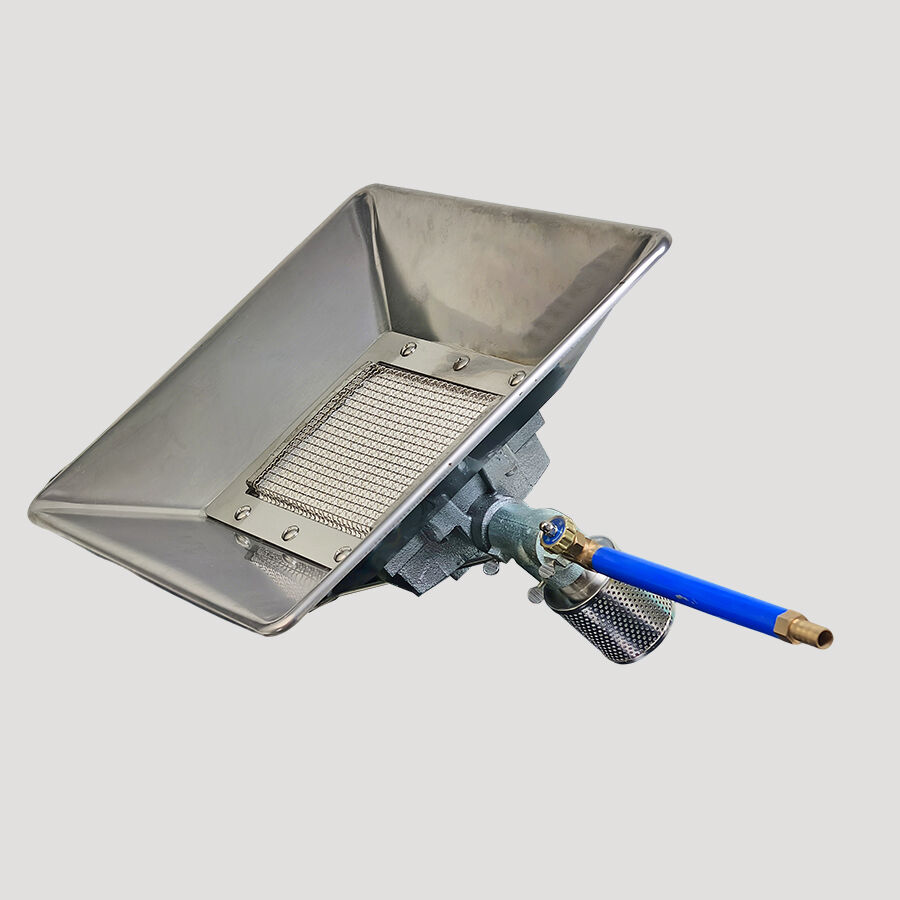
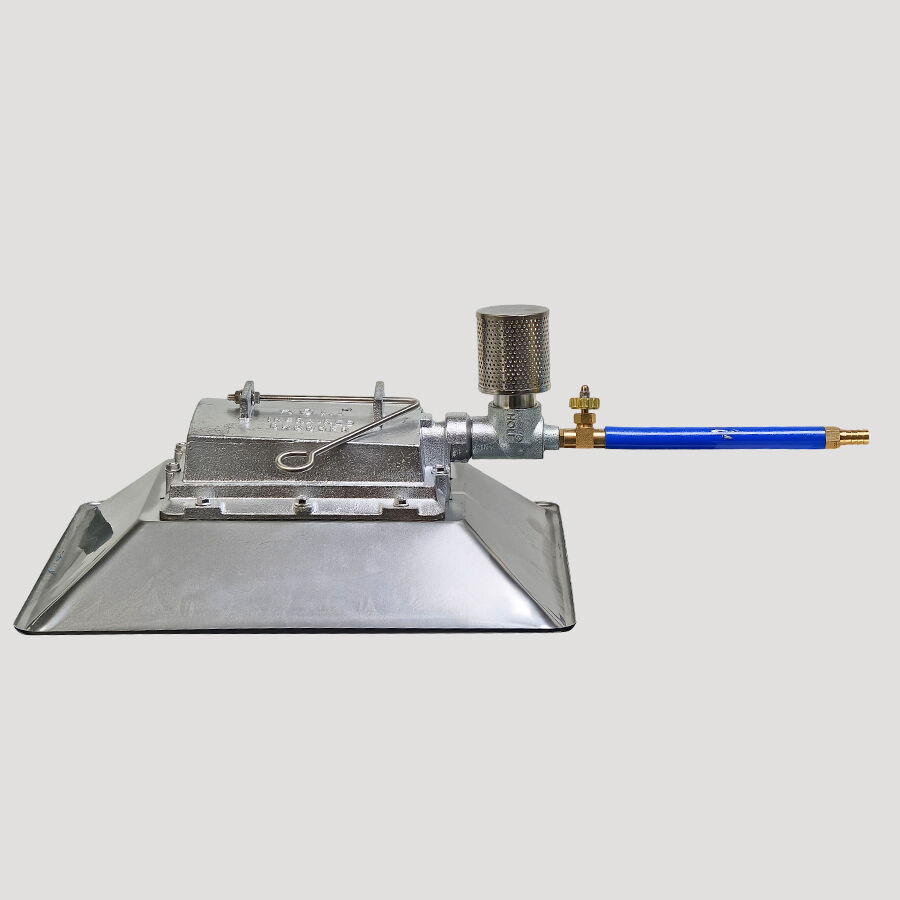
Manual Ignition Piglet Gas Poultry Heating Brooder Chicken House Heating Equipment
Precautions and Common Issues:
1. When installing the brooder, keep the air inlet end tilted downward.
2. A blue flame at the beginning is normal and will disappear after a few minutes.
3. If the blue flame stays on the ceramic plate, check whether the gas pressure is too low; if so, adjust the pressure reducing valve or increase the pump pressure.
4. If the red flame is too large, possible reasons are:
a. Gas pressure too high; adjust the pressure reducing valve to the required pressure.
b. Lack of oxygen; ensure proper indoor ventilation when using this product.
c. Ceramic plate cracked; replace the ceramic plate.
d. Gas purity variation; the purity of gas varies by country and may cause a larger flame. Use an appropriate nozzle accordingly.
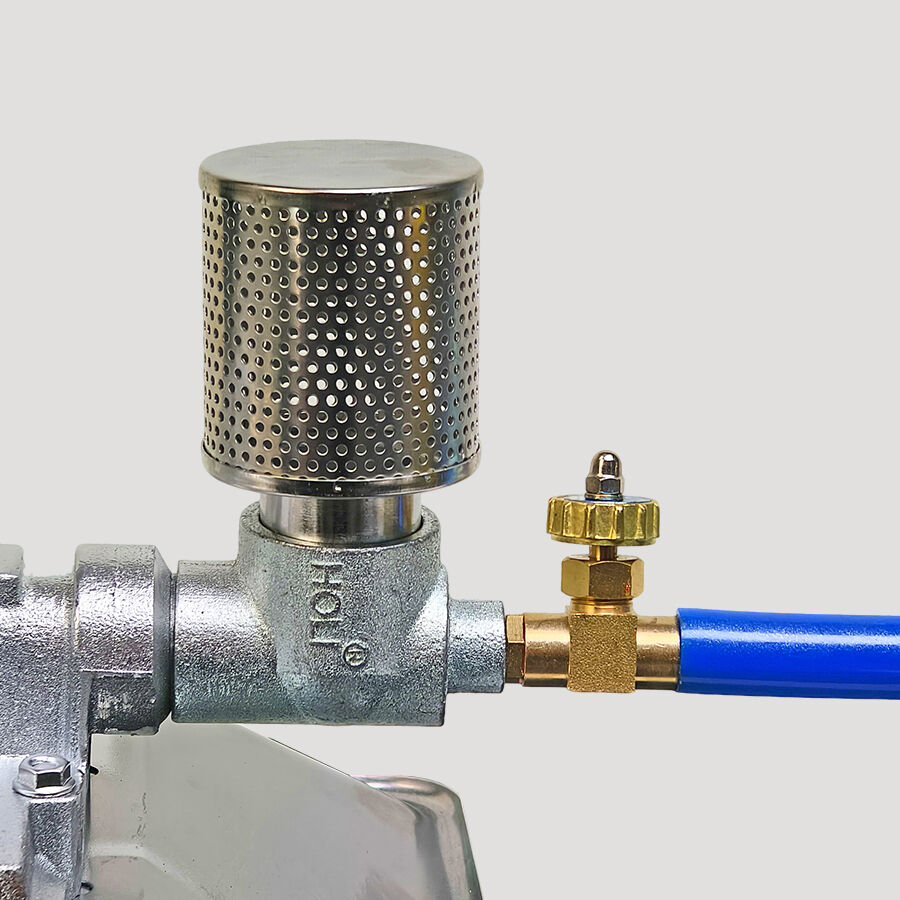
5. If the burning surface is uneven, check whether there are feathers on the filter.
6. This product is flameless; during normal operation, only a red burning surface will be visible, without a flame.
7. Regularly inspect and clean all components of the system.
- Overview
- Size
- Details
- Recommended Products
- Poultry farming: Maintaining optimal brooding temperatures (32–35°C) for day-old chicks during their first 2–4 weeks.
- Swine husbandry: Warming farrowing crates or nursery pens to support piglet survival and growth.
- Auxiliary heating: Small-scale commercial/industrial spaces (garages, workshops) due to its compact, wall/hanging-mount design.
Description
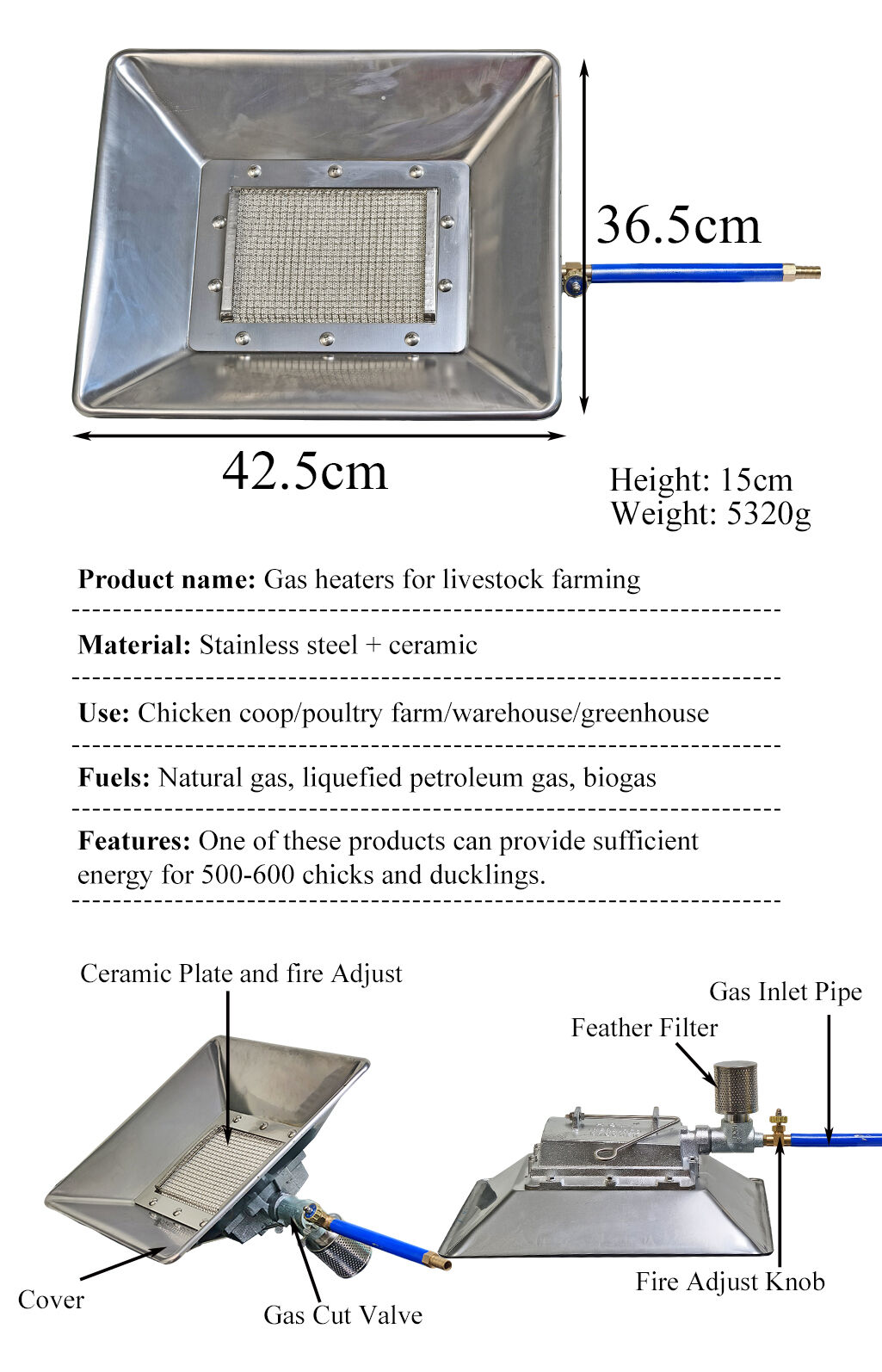
Size
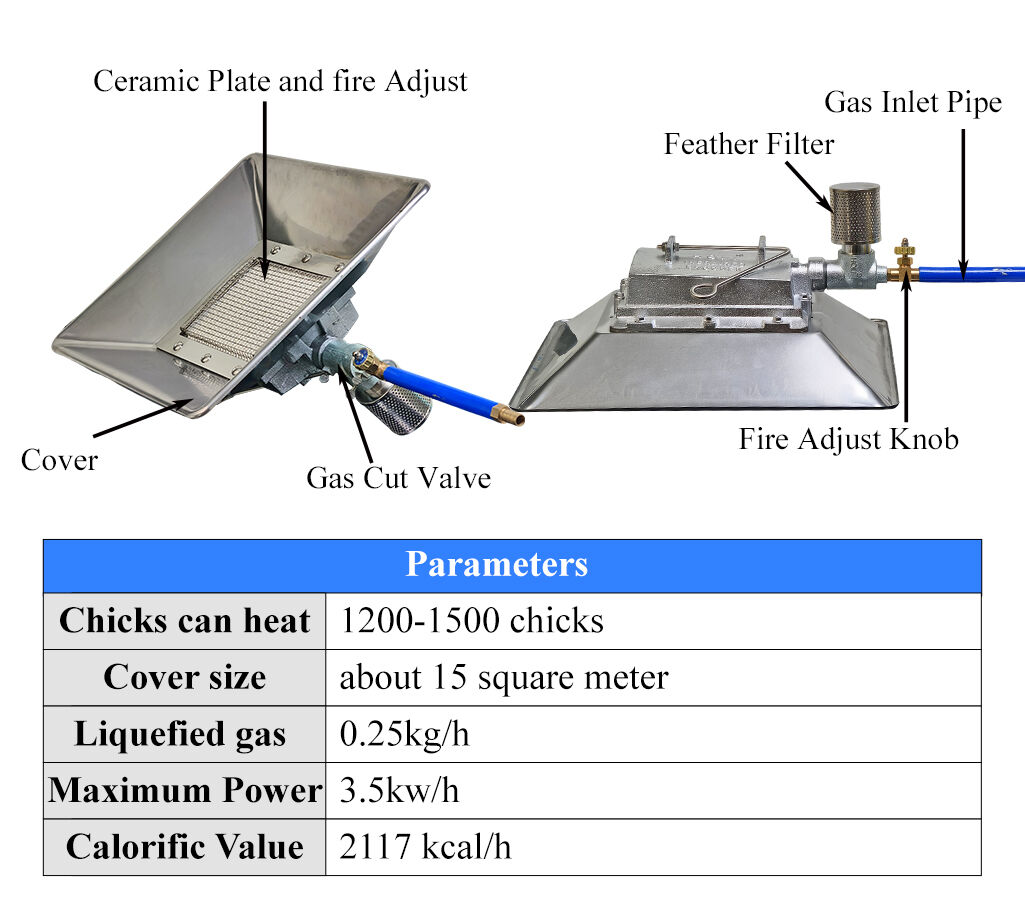
Details
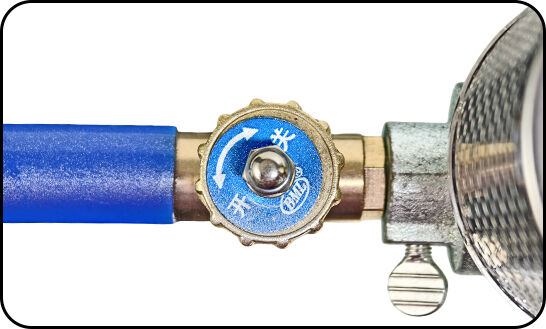 |
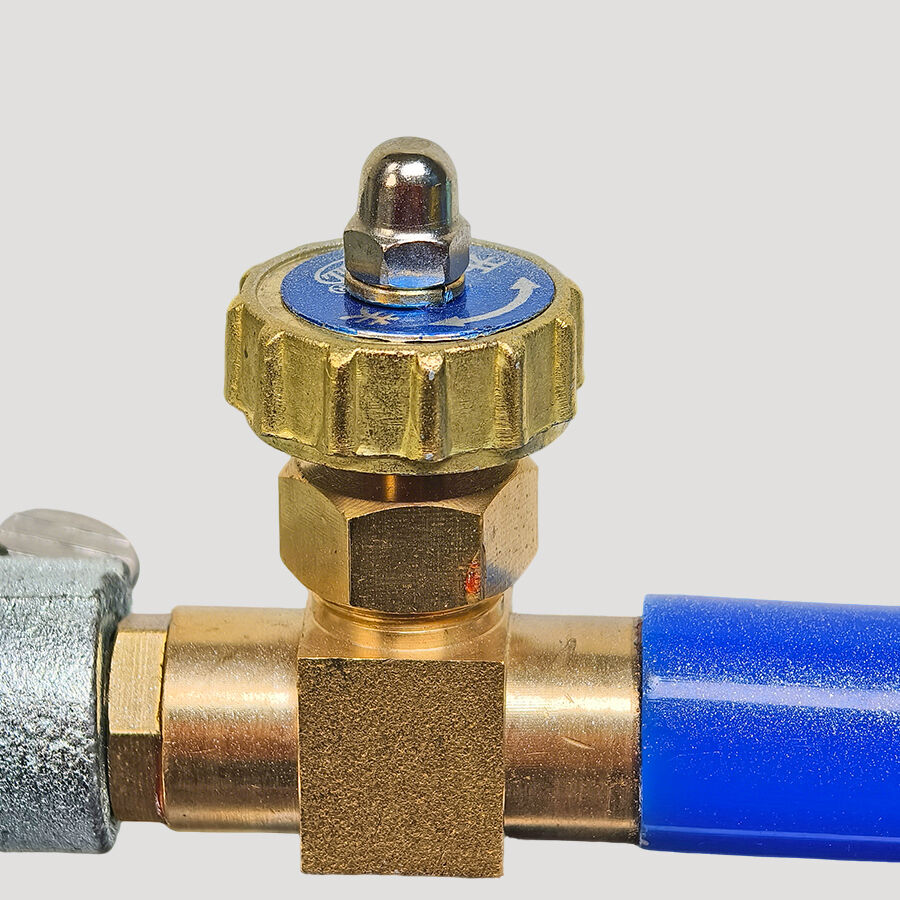
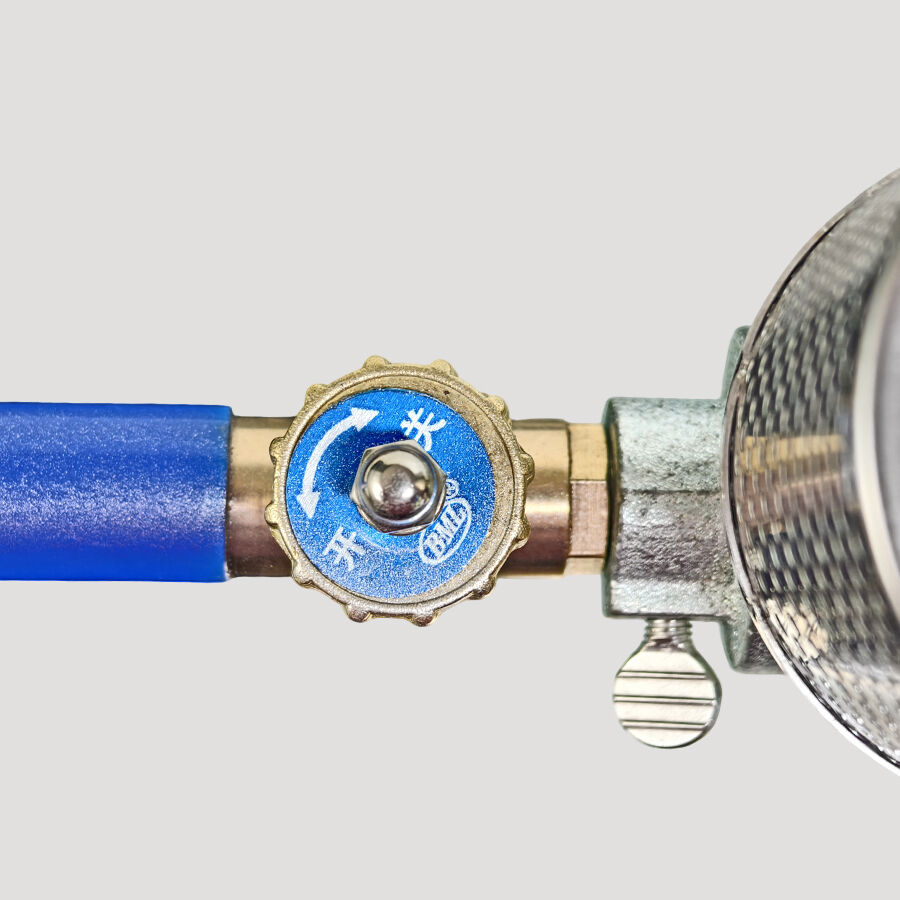
The fire control knob adjusts the amount of gas entering the burner, thus controlling the fire intensity. |
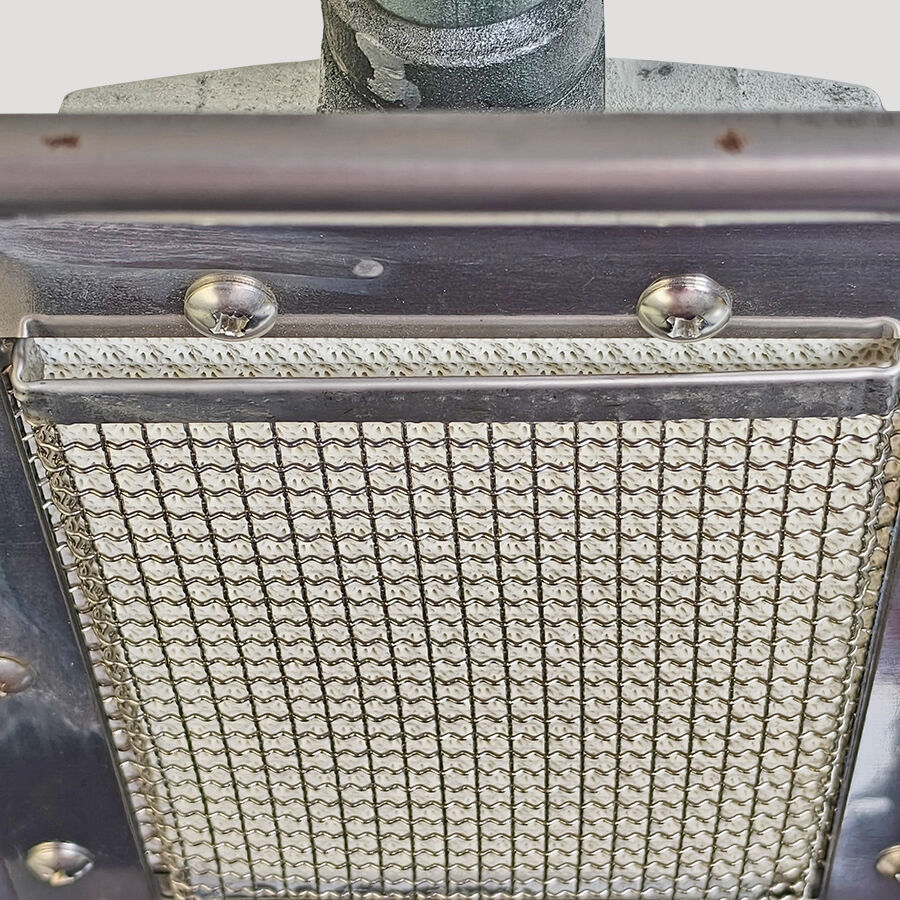
| High-temperature resistant ceramic tile, uniform heat conduction, explosion-proof and crack-resistant, mesh cover for heat insulation and fire prevention,and uniform ventilation for heat dissipation. | 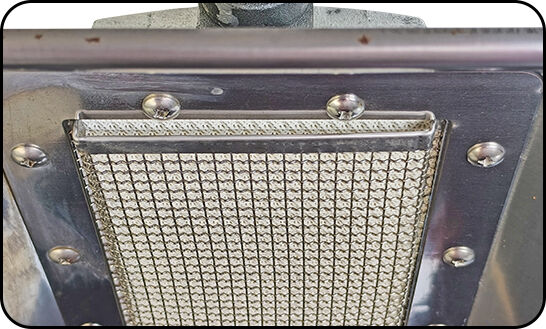 |
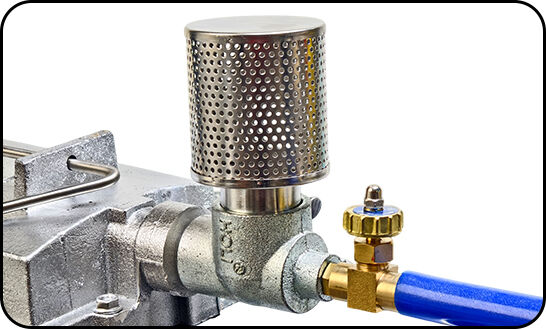 |
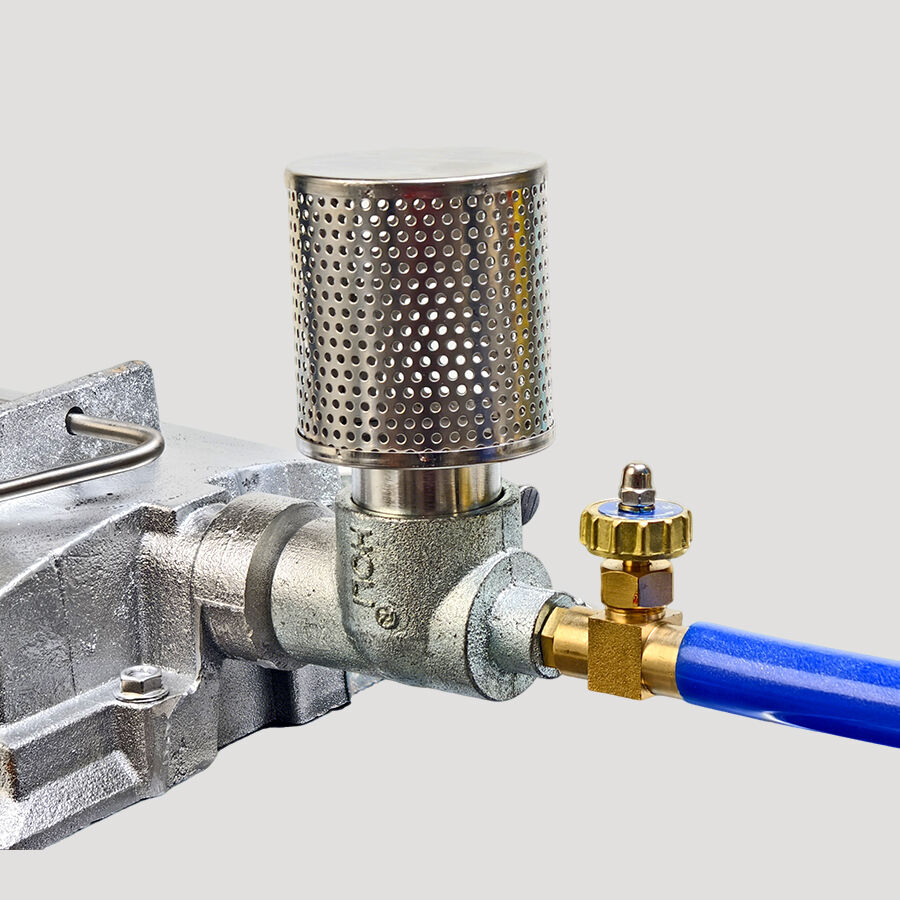
The filter screen can filter impurities in the gas,allowing for more complete combustion and preventing blockages. It is removable and easy to clean. |
| One product can provide sufficient energy for 500-600 chicks and ducklings. | 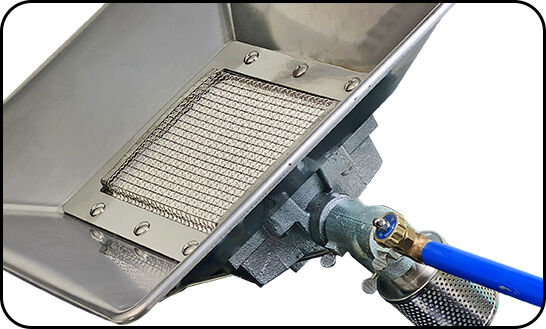 |