EN
EN


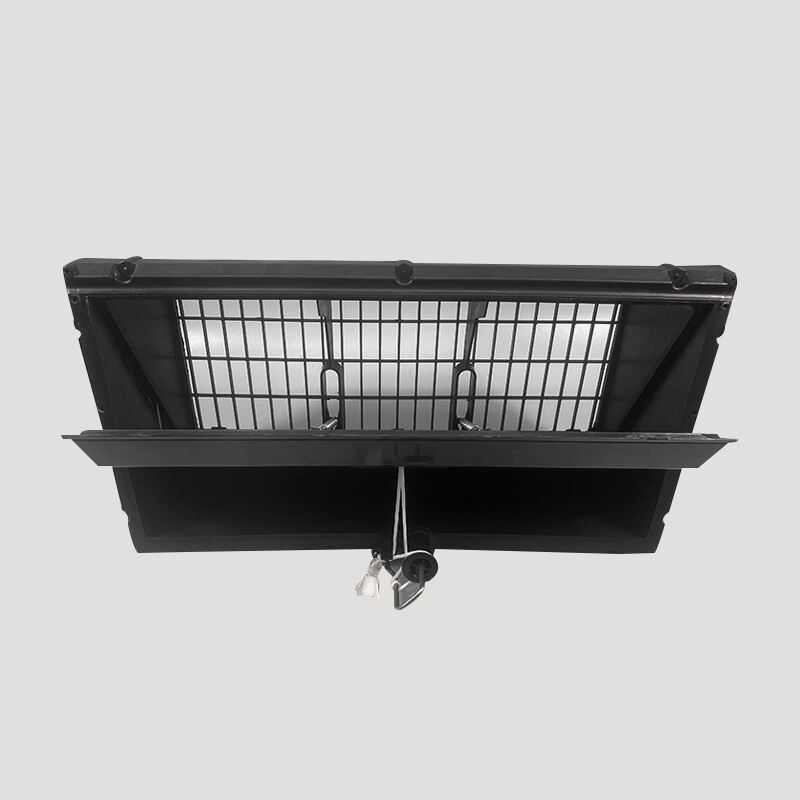
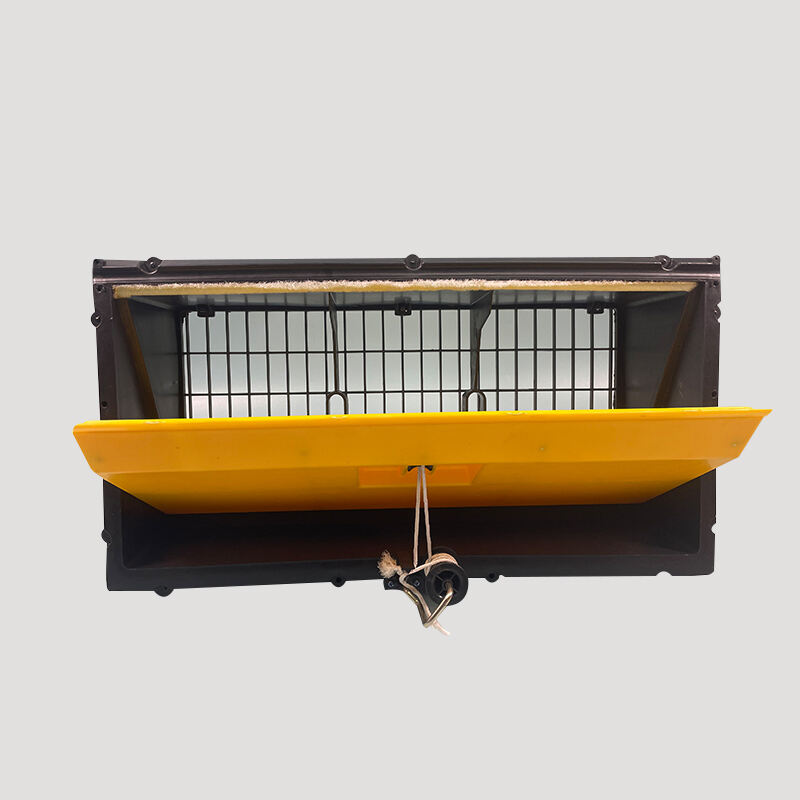
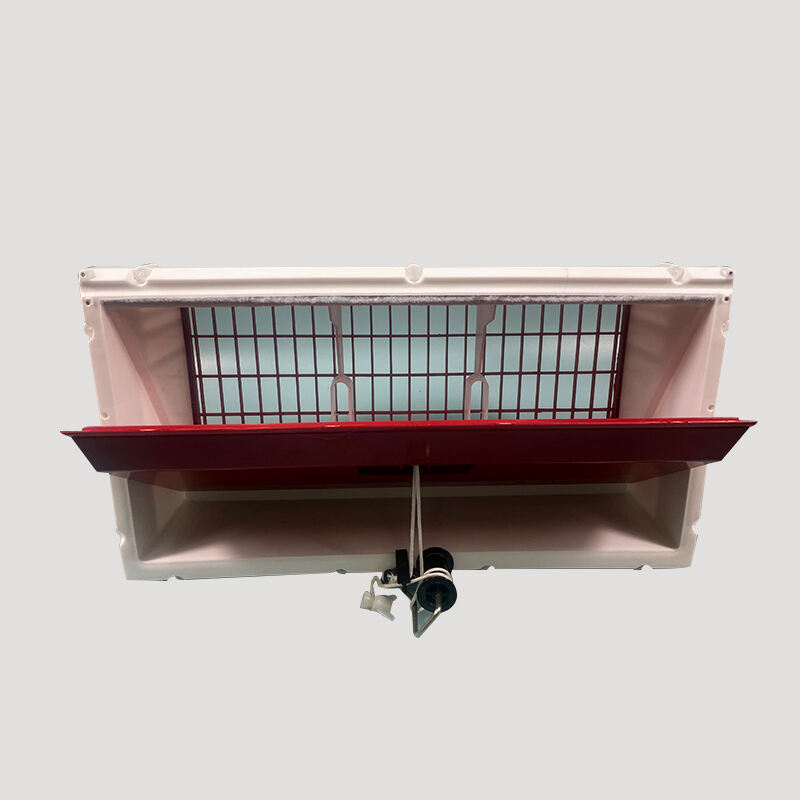
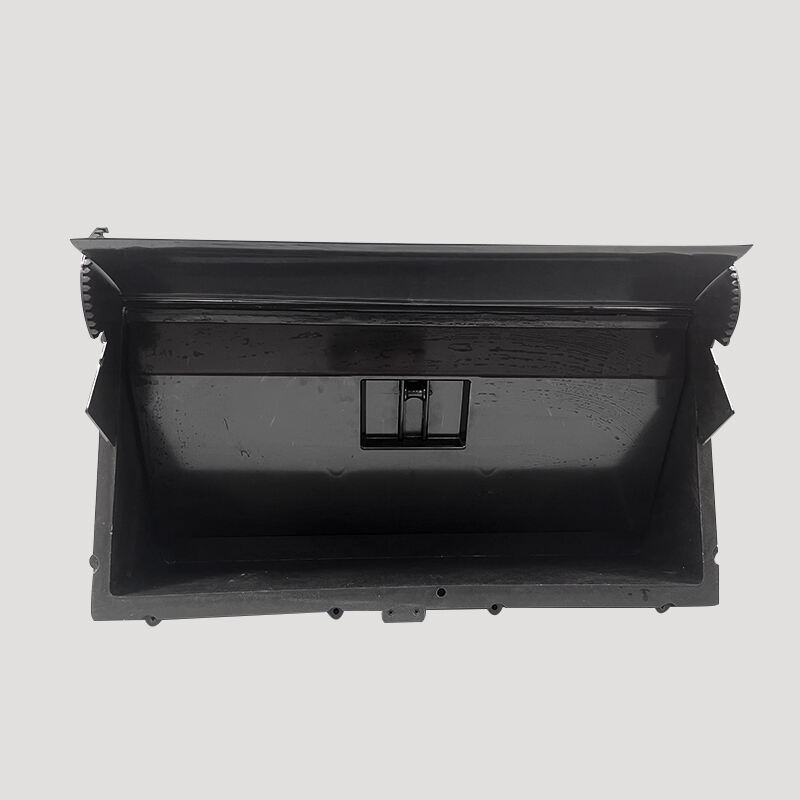
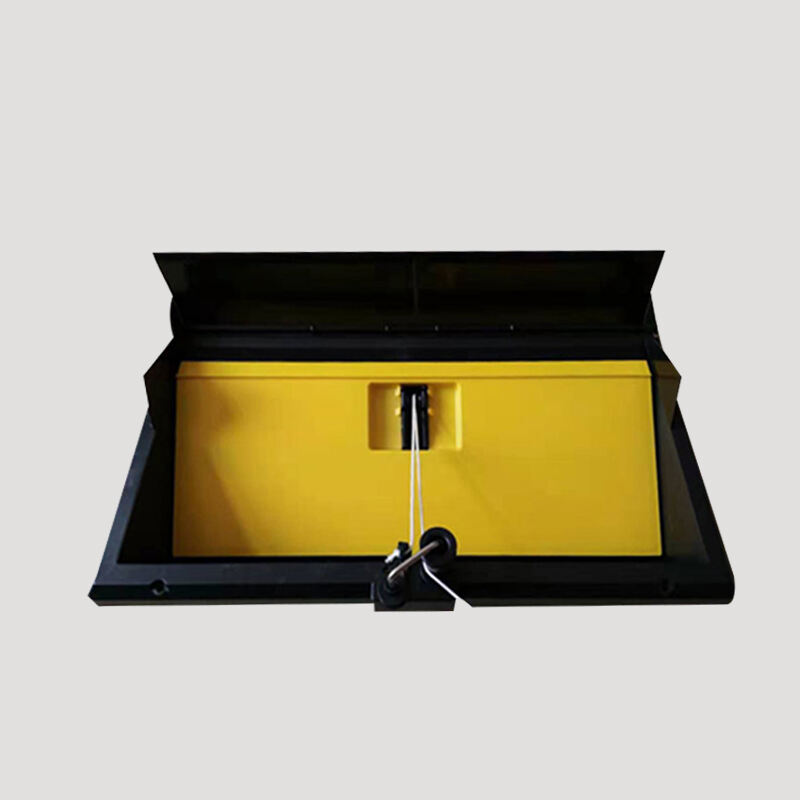
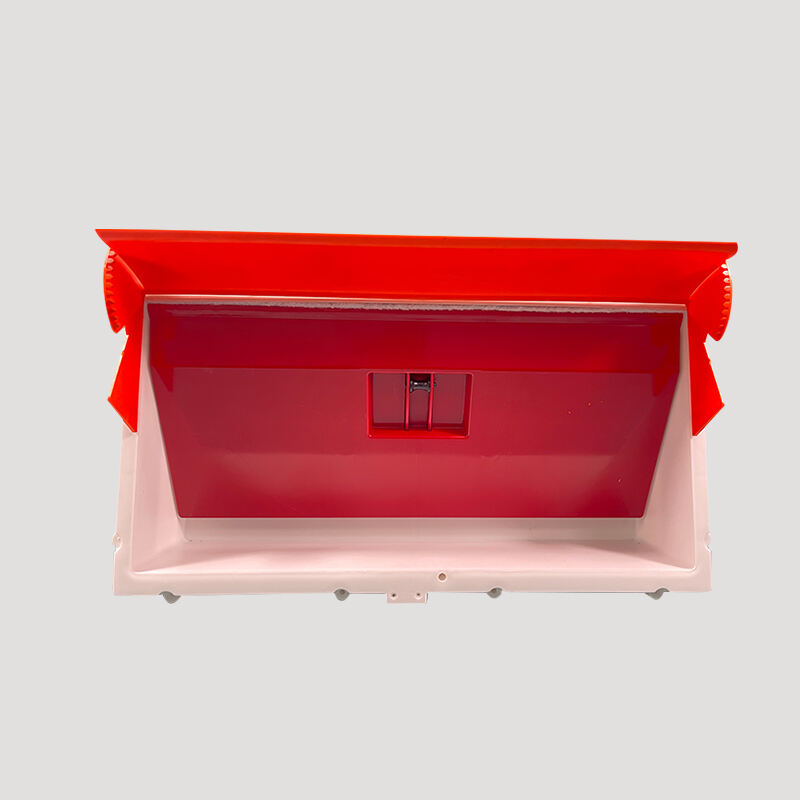
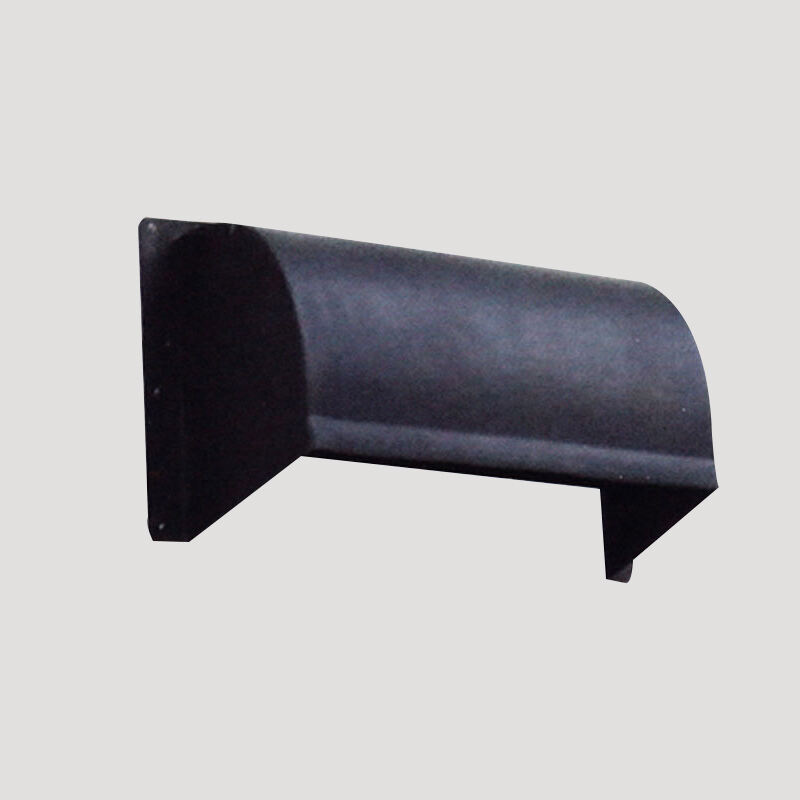
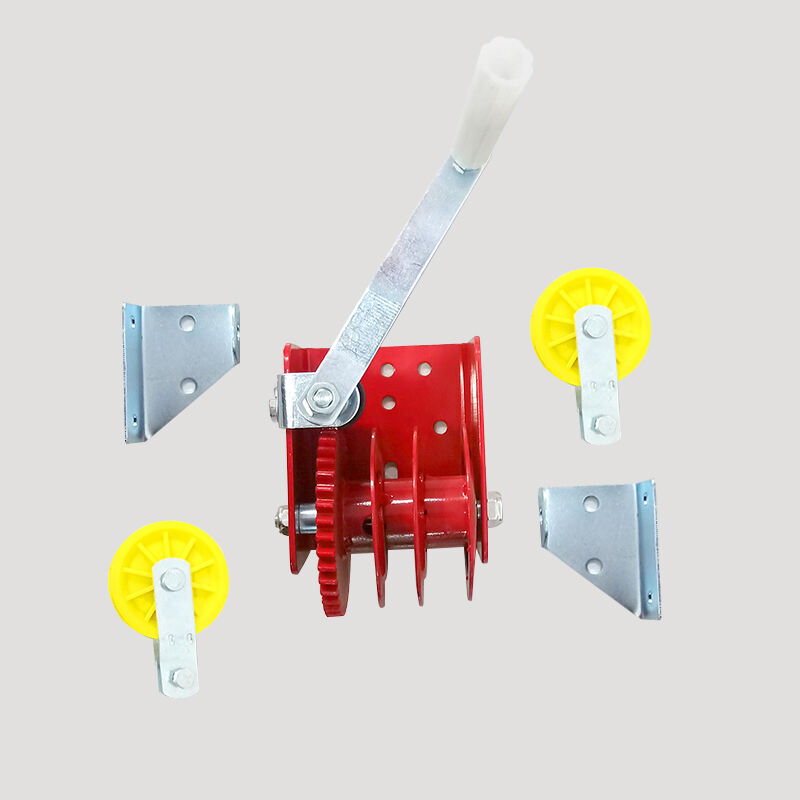
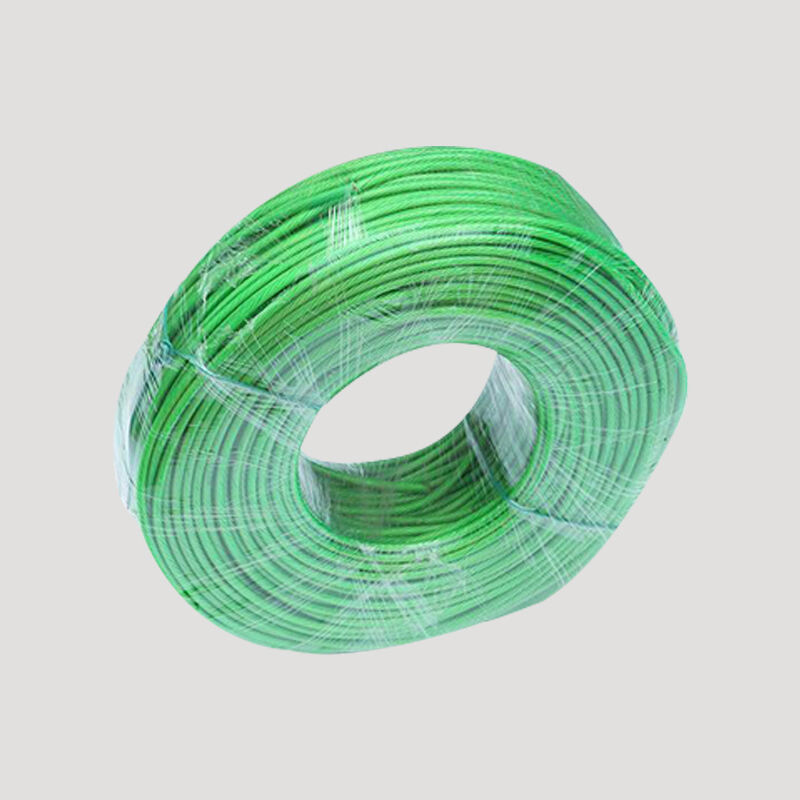
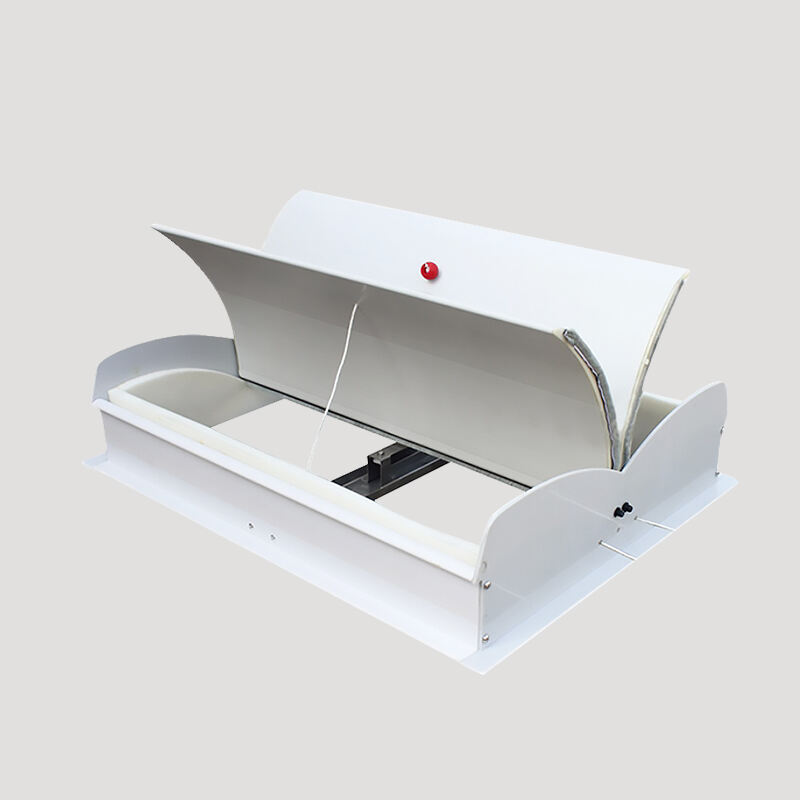
O Janela de ventilação de admissão de ar em material ABS Sistema de resfriamento de vento cruzado para uso agrícola representa uma solução projetada com sofisticação, especificamente desenvolvida para enfrentar os desafios críticos de ventilação e gerenciamento de temperatura enfrentados por instalações agrícolas modernas, operações pecuárias e ambientes agrícolas que exigem circulação de ar constante e controle climático. Este sistema avançado de ventilação aproveita as propriedades superiores do Material termoplástico ABS , conhecido por sua excepcional resistência ao impacto, estabilidade dimensional e durabilidade contra intempéries, características que o tornam uma escolha ideal para aplicações agrícolas onde os equipamentos precisam suportar condições externas adversas, flutuações de temperatura e exposição contínua à umidade, poeira e outros fatores ambientais comumente encontrados nas operações agrícolas. O mecanismo de resfriamento cruzado incorporado neste sistema utiliza princípios aerodinâmicos para maximizar a eficiência do movimento de ar, ao mesmo tempo que minimiza o consumo de energia, criando um equilíbrio ideal entre desempenho e custo operacional que atrai operadores agrícolas atentos ao custo em busca de soluções de ventilação confiáveis. Instalações fabris especializadas em componentes para equipamentos agrícolas reconhecem a importância de utilizar materiais ABS de alta qualidade submetidos a rigorosos processos de controle de qualidade, garantindo propriedades mecânicas consistentes, resistência aos raios UV e integridade estrutural de longo prazo sob condições exigentes no campo. O design da janela de ventilação apresenta portas de entrada e canais de fluxo de ar cuidadosamente projetados, que facilitam padrões de convecção natural, ao mesmo tempo que impedem a entrada de detritos, insetos e precipitação que poderiam comprometer o desempenho do sistema ou gerar problemas de manutenção para os operadores agrícolas. As opções de tratamento superficial para esses componentes de ABS geralmente incluem revestimentos e aditivos especiais que aumentam a resistência a produtos químicos agrícolas, agentes de limpeza e aos efeitos corrosivos dos dejetos animais ou da exposição a fertilizantes, comumente presentes nos ambientes agrícolas. A abordagem construtiva modular permite configurações flexíveis de instalação, que podem ser personalizadas para acomodar diversos layouts de edifícios, projetos de instalações para criação de animais e requisitos específicos de ventilação únicos para diferentes operações agrícolas, desde instalações avícolas e estábulos leiteiros até estruturas de estufas e armazéns para equipamentos. Equipes internacionais de aquisição e distribuidores de equipamentos agrícolas valorizam fornecedores que demonstram compreensão abrangente das diversas práticas agrícolas e condições climáticas regionais que influenciam os requisitos de desempenho dos sistemas de ventilação em diferentes mercados geográficos. O processo de fabricação desses componentes especializados de ventilação envolve técnicas de moldagem de precisão que garantem exatidão dimensional e distribuição uniforme da espessura das paredes, fatores críticos que afetam tanto o desempenho estrutural quanto o encaixe adequado durante os procedimentos de instalação. Os protocolos de garantia da qualidade implementados por fabricantes experientes abrangem testes de verificação de materiais, procedimentos de inspeção dimensional e validação de desempenho funcional, garantindo que cada unidade de ventilação atenda aos rigorosos padrões esperados por operadores agrícolas profissionais e distribuidores de equipamentos. Capacidades produtivas voltadas à exportação permitem uma distribuição internacional fluida por meio de métodos de embalagem otimizados, que protegem os componentes durante o transporte enquanto maximizam a eficiência de utilização dos contêineres, uma consideração importante para compradores internacionais que gerenciam custos de frete e cronogramas de entrega. A abordagem colaborativa em parcerias OEM e ODM permite que fabricantes de equipamentos agrícolas incorporem esses sistemas de ventilação em conjuntos maiores de produtos, mantendo a consistência da marca e atendendo a critérios específicos de desempenho estabelecidos pelas aplicações dos usuários finais. Serviços personalizados de correspondência de cores atendem aos requisitos de marca e preferências estéticas, enquanto opções especializadas de hardware de montagem oferecem compatibilidade com diversos materiais de construção e métodos construtivos comumente empregados na construção de instalações agrícolas. A versatilidade do processamento do material ABS permite incorporar recursos funcionais, como flanges integrados de montagem, nervuras de reforço e canais de drenagem diretamente nos componentes moldados, eliminando a necessidade de operações secundárias de montagem e reduzindo a complexidade geral do sistema. Protocolos de testes de durabilidade simulam exposição prolongada a ambientes agrícolas, incluindo ciclagem térmica, avaliação de resistência química e testes de estresse mecânico, que validam as expectativas de desempenho de longo prazo em condições operacionais realistas. A experiência em gestão da cadeia de suprimentos desenvolvida por meio de ampla cooperação internacional garante disponibilidade constante de materiais e escalabilidade da capacidade produtiva para atender às flutuações sazonais da demanda típicas dos mercados agrícolas. A filosofia de projeto enfatiza a facilidade de manutenção e reparo, incorporando pontos de inspeção acessíveis e componentes removíveis que facilitam procedimentos rotineiros de limpeza e manutenção, essenciais para o desempenho ideal do sistema em ambientes agrícolas empoeirados e cheios de detritos. Formulações avançadas de ABS podem incluir aditivos antimicrobianos e propriedades dissipadoras de estática que atendem a requisitos específicos de higiene e previnem acúmulos de poeira, particularmente relevantes em aplicações agrícolas sensíveis, como instalações de processamento de alimentos ou alojamentos animais de grau farmacêutico. O princípio do resfriamento cruzado maximiza a eficiência da troca térmica, promovendo padrões de fluxo laminar que distribuem os efeitos de resfriamento uniformemente por todo o espaço ventilado, ao mesmo tempo que minimiza zonas de ar parado que poderiam comprometer a uniformidade da temperatura ou a qualidade do ar. Parcerias de fabricação com fornecedores estabelecidos demonstram o compromisso com a entrega consistente de qualidade e com capacidades de suporte técnico das quais compradores internacionais dependem ao selecionar componentes de sistemas de ventilação para projetos críticos de infraestrutura agrícola que exigem desempenho confiável de longo prazo e requisitos mínimos de manutenção.
Janela de ventilação de admissão de ar em material ABS Sistema de resfriamento de vento cruzado para uso agrícola
- Visão Geral
- Tamanho
- Detalhes
- Produtos Recomendados
Descrição
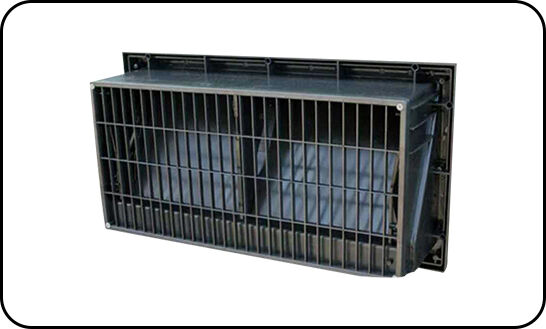
Confeccionado em plásticos de engenharia PP de alta qualidade cuidadosamente selecionados, esta janela para aviário possui resistência excepcional e durabilidade prolongada. Apresenta excelente desempenho anti-envelhecimento, garantindo uso confiável mesmo em condições ambientais adversas, enquanto seu design elegante e refinado adiciona um toque de sofisticação à estrutura geral da instalação avícola.
A defletora de ar é fabricada com material bruto ABS premium, um material conhecido por sua resistência ao impacto e estabilidade dimensional. Para maior funcionalidade e adaptabilidade, a janela possui uma estrutura de ajuste do tipo engrenagem que facilita a operação, permitindo um controle suave e preciso do fluxo de ar. Além disso, pode ser opcionalmente configurada com uma defletora de ar em alumínio, atendendo a diversas preferências dos usuários e requisitos específicos de aplicação.
Um destaque importante do design está na estrutura hermética das bordas superiores da janela. Esse design inovador garante um selamento eficaz ao fechar a janela, isolando eficientemente o interior do galpão de aves de elementos externos como poeira, ar frio ou pragas. Isso não apenas mantém um ambiente interno estável, mas também ajuda a reduzir o consumo de energia para regulação de temperatura.
Para otimizar a circulação de ar, placas direcionadoras de vento são instaladas estrategicamente em ambos os lados da janela. Essas placas desempenham um papel crucial em evitar o fluxo de ar descendente direto — em vez disso, elas orientam o ar fresco externo para o centro do galpão de aves, garantindo uma distribuição uniforme de ar em todo o espaço. Isso cria um efeito ideal de troca de ar, promovendo um ambiente saudável e bem ventilado para o crescimento das aves.
A janela também é equipada com uma estrutura especial de mola de torção, que permite ao defletor de vento baixar suave e silenciosamente, evitando impactos súbitos que poderiam perturbar as aves. Além disso, uma malha anti-aves está integrada ao design; essa malha impede eficazmente que aves selvagens entrem no galpão (reduzindo assim o risco de transmissão de doenças), ao mesmo tempo em que apresenta um padrão especializado que não obstrui a entrada de ar — estabelecendo um equilíbrio perfeito entre proteção e eficiência de ventilação.
Tamanho
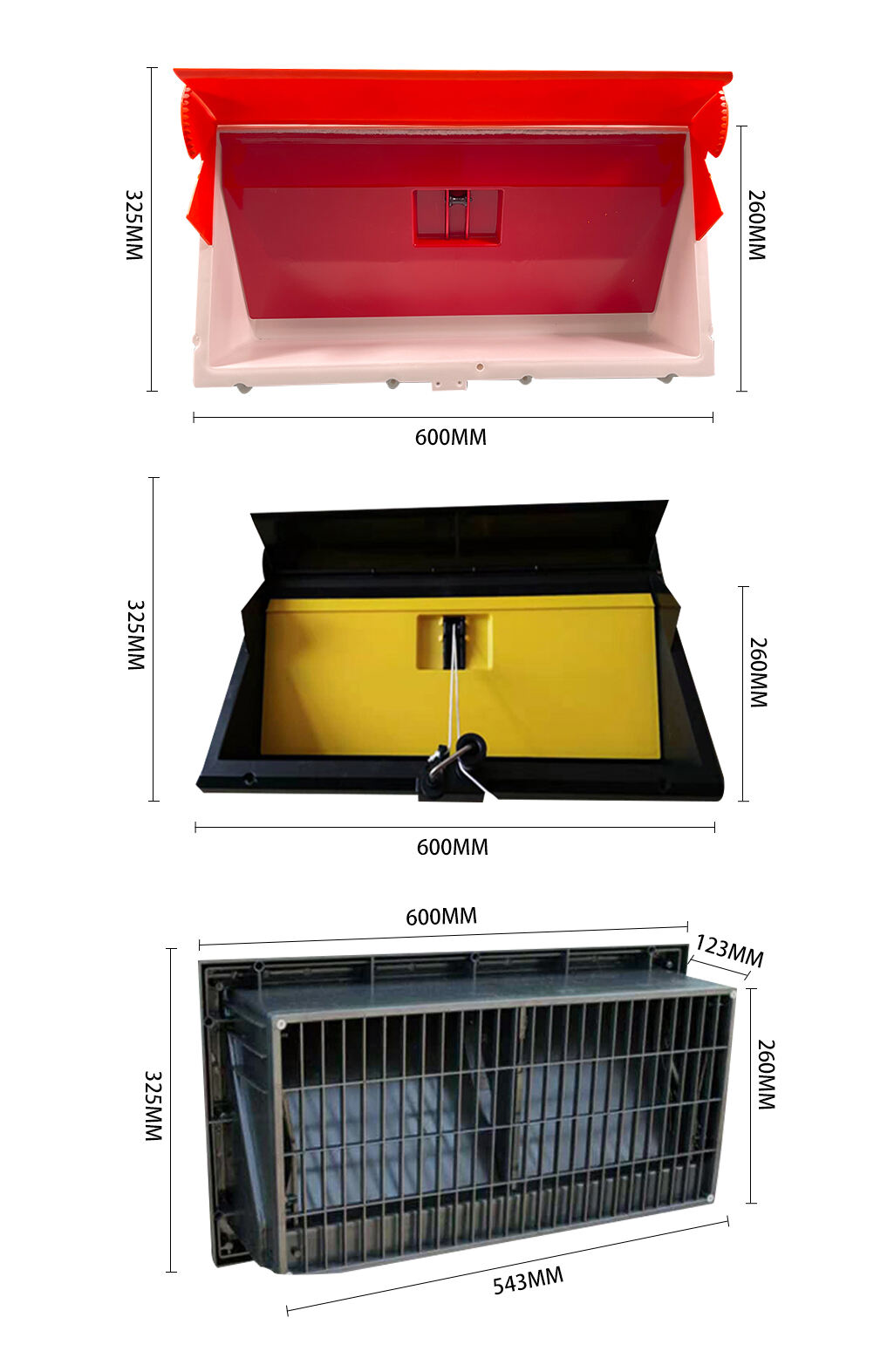
Detalhes
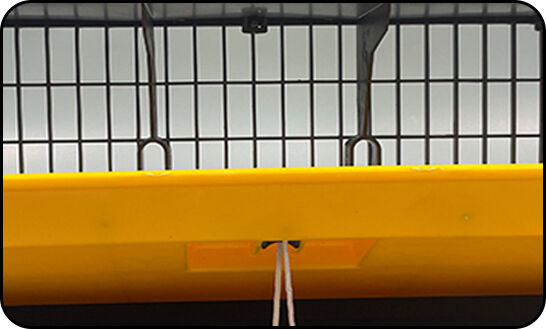 |
Design da polia Ambos os lados são rolantes fricção Abertura precisa |
|
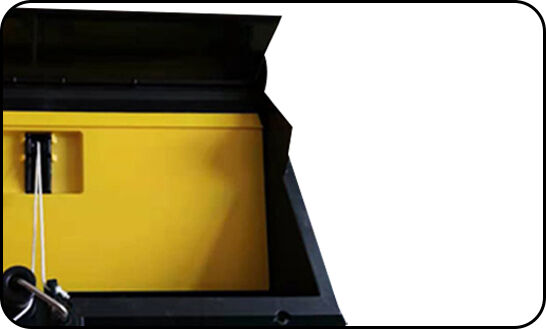
Engenharia produtos de plástico Forma integrada, resistente a UV Antienvelhecimento, longa vida útil |
 |
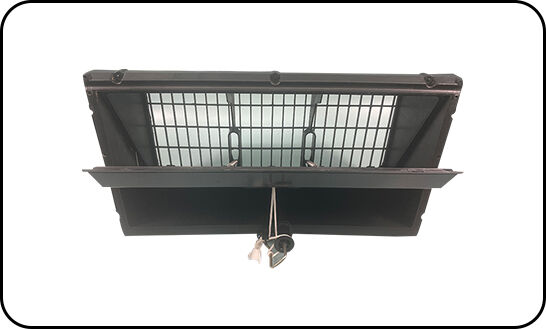 |
Ventilação uniforme Próximo ao ventilador, abertura pequena Para se afastar é ótimo. |
|
Cultivo em larga escala Reduzir efetivamente o interior Prevenir várias doenças temperatura |
 |