 EN
EN

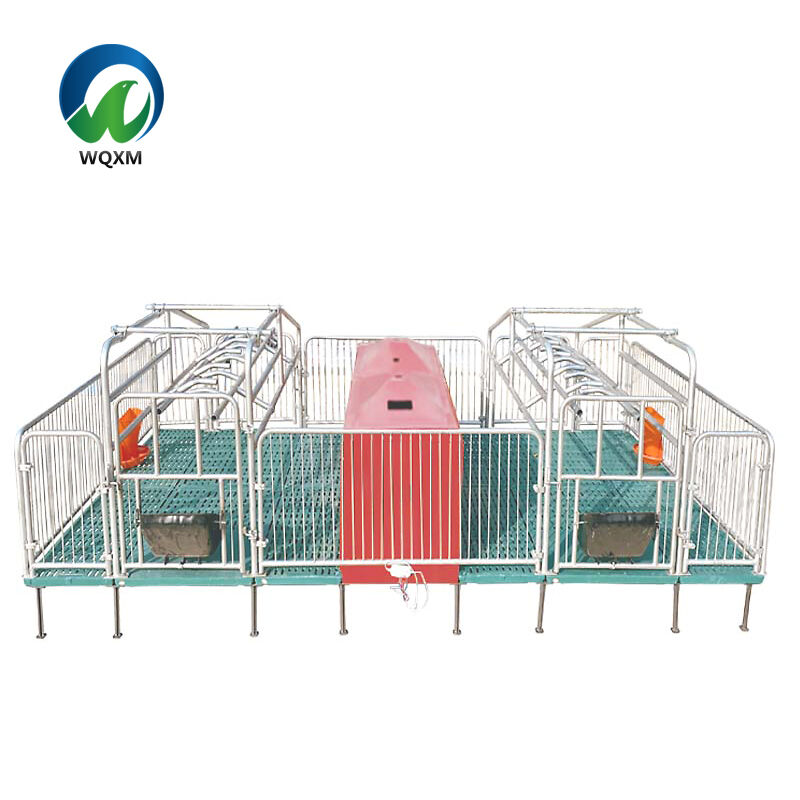
The Evolution of Feeding Systems in Modern Swine Production
Modern hog farming has undergone significant transformations over the decades, with feeding systems playing a crucial role in operational efficiency and productivity. At the heart of these advancements lies the pig feeding trough, an essential component that directly impacts animal welfare, feed efficiency, and overall farm profitability. Today's sophisticated feeding systems represent a remarkable leap forward from the traditional methods used in past generations.
The pig feeding trough has evolved from simple wooden constructions to innovative designs that incorporate advanced materials and ergonomic features. These modern solutions address multiple challenges faced by pig farmers, from minimizing feed waste to promoting healthy feeding behaviors among their livestock. Understanding the significance of proper feeding equipment is fundamental for any successful hog operation.
Essential Features of Modern Feeding Systems
Design and Construction Materials
Contemporary pig feeding trough designs prioritize durability and hygiene. High-grade stainless steel and food-safe polymers have become the materials of choice, offering superior resistance to corrosion and bacterial growth. These materials ensure long-term reliability while maintaining the highest standards of food safety for the animals.
The structural design of modern troughs includes rounded edges and smooth surfaces that prevent feed accumulation and make cleaning easier. Many models feature adjustable heights and depths to accommodate pigs of different ages and sizes, ensuring optimal feeding positions throughout their growth stages.
Feed Management Capabilities
Advanced pig feeding trough systems now incorporate sophisticated feed management features. These include portion control mechanisms that regulate feed distribution, preventing overconsumption and reducing waste. Some models are equipped with sensors that monitor feed levels and consumption patterns, providing valuable data for farm management.
The integration of automated feeding schedules helps maintain consistent feeding times, which is crucial for optimal pig growth and development. These systems can be programmed to dispense specific amounts of feed at predetermined intervals, ensuring all animals receive proper nutrition while minimizing labor requirements.
Impact on Pig Health and Growth
Promoting Natural Feeding Behavior
A well-designed pig feeding trough supports natural feeding behaviors, allowing pigs to eat comfortably in a position that mimics their instinctive feeding patterns. This consideration for natural behavior reduces stress during feeding times and promotes better feed intake across the herd.
The spacing and accessibility of feeding areas prevent aggressive competition among animals, ensuring that even subordinate pigs have adequate access to feed. This attention to behavioral needs contributes to more uniform growth rates within groups.
Hygiene and Disease Prevention
Modern trough designs prioritize sanitation through features that facilitate thorough cleaning and disinfection. Regular maintenance of pig feeding trough systems is essential for preventing the spread of diseases and maintaining optimal herd health. Easy-to-clean surfaces and proper drainage systems help maintain hygienic conditions.
The implementation of proper feeding equipment significantly reduces the risk of feed contamination and subsequent health issues. This proactive approach to hygiene through equipment design plays a vital role in disease prevention strategies.
Economic Benefits and Operational Efficiency
Feed Waste Reduction
Efficient pig feeding trough systems substantially reduce feed waste through innovative design features that prevent spillage and maintain feed within reach of the animals. This reduction in waste directly impacts the farm's bottom line, as feed costs typically represent the largest operational expense in hog farming.
Modern troughs often incorporate lips or guards that prevent pigs from pushing feed out of the feeding area. Some designs also feature adjustable feed flow controls that help match feed availability to consumption rates, further minimizing waste.
Labor and Time Management
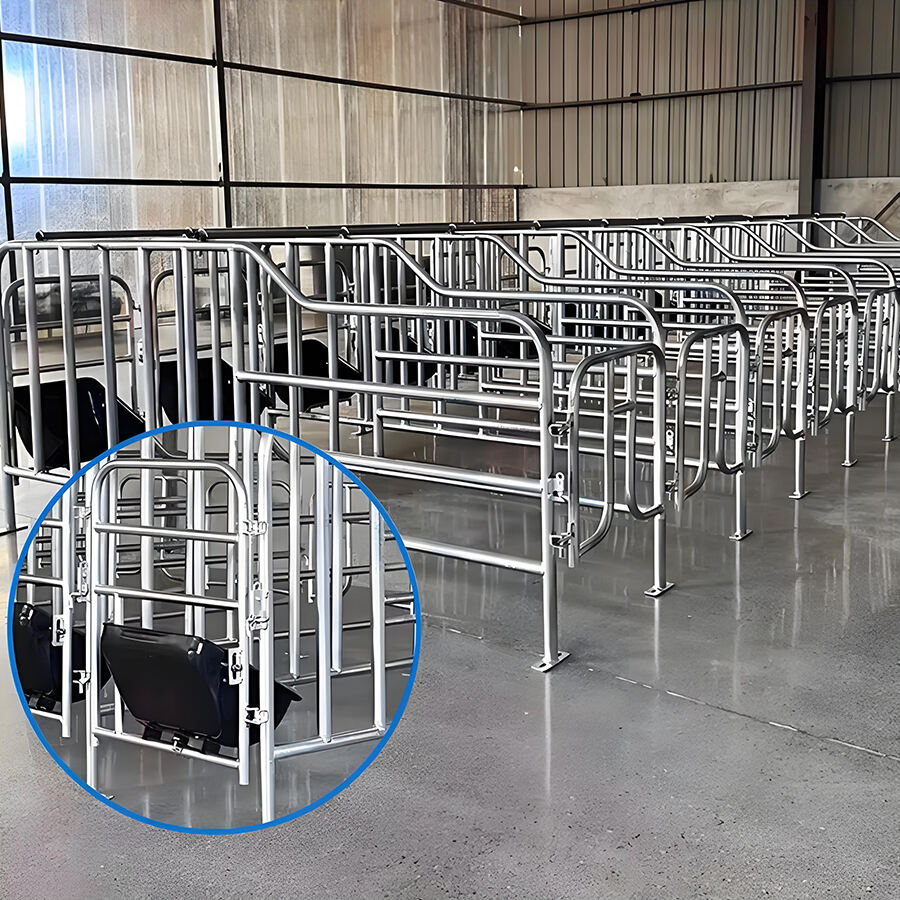
The implementation of advanced feeding systems significantly reduces the manual labor required for daily feeding operations. Automated pig feeding trough systems can handle feed distribution more efficiently than traditional manual methods, allowing farm staff to focus on other important tasks.
Time savings are also realized through reduced cleaning and maintenance requirements, thanks to improved design features that prevent feed accumulation and facilitate quick cleaning procedures. This increased efficiency translates to lower labor costs and improved farm productivity.
Environmental Considerations and Sustainability
Resource Conservation
Modern pig feeding trough systems contribute to environmental sustainability through improved feed efficiency and reduced waste. By minimizing feed spillage and optimizing consumption, these systems help reduce the environmental impact of hog farming operations.
The durability of modern materials also means less frequent replacement of equipment, reducing the environmental footprint associated with manufacturing and disposing of feeding equipment. Many manufacturers now offer recyclable or eco-friendly materials in their trough construction.
Waste Management Solutions
Advanced trough designs often incorporate features that facilitate better waste management practices. Proper drainage systems and easy-to-clean surfaces help maintain cleaner facilities while reducing water usage during cleaning operations. This attention to waste management contributes to more sustainable farming practices.
Some modern systems include waste collection features that help separate feed waste from other farm waste streams, enabling more efficient recycling and disposal processes. This systematic approach to waste management helps farms meet environmental regulations while maintaining operational efficiency.
Frequently Asked Questions
How often should a pig feeding trough be cleaned?
A pig feeding trough should be cleaned daily to remove any leftover feed and debris, with a thorough sanitization performed weekly. This regular maintenance ensures optimal hygiene and prevents the growth of harmful bacteria that could affect pig health.
What materials are best for pig feeding troughs?
Stainless steel and high-grade food-safe polymers are the most recommended materials for pig feeding troughs. These materials offer excellent durability, are easy to clean, resist corrosion, and maintain their integrity even with regular use and exposure to harsh cleaning chemicals.
How can feeding troughs help reduce operational costs?
Modern pig feeding troughs help reduce operational costs through multiple mechanisms: minimizing feed waste, reducing labor requirements through automation, requiring less frequent replacement due to durability, and promoting better feed conversion rates through optimal feeding conditions.
What features should farmers look for in a feeding trough?
Farmers should look for feeding troughs with durable construction, easy-to-clean surfaces, appropriate sizing for their herd, waste reduction features, and compatibility with their existing feeding system. Additional considerations include adjustability options, maintenance requirements, and potential for automation integration.