 EN
EN

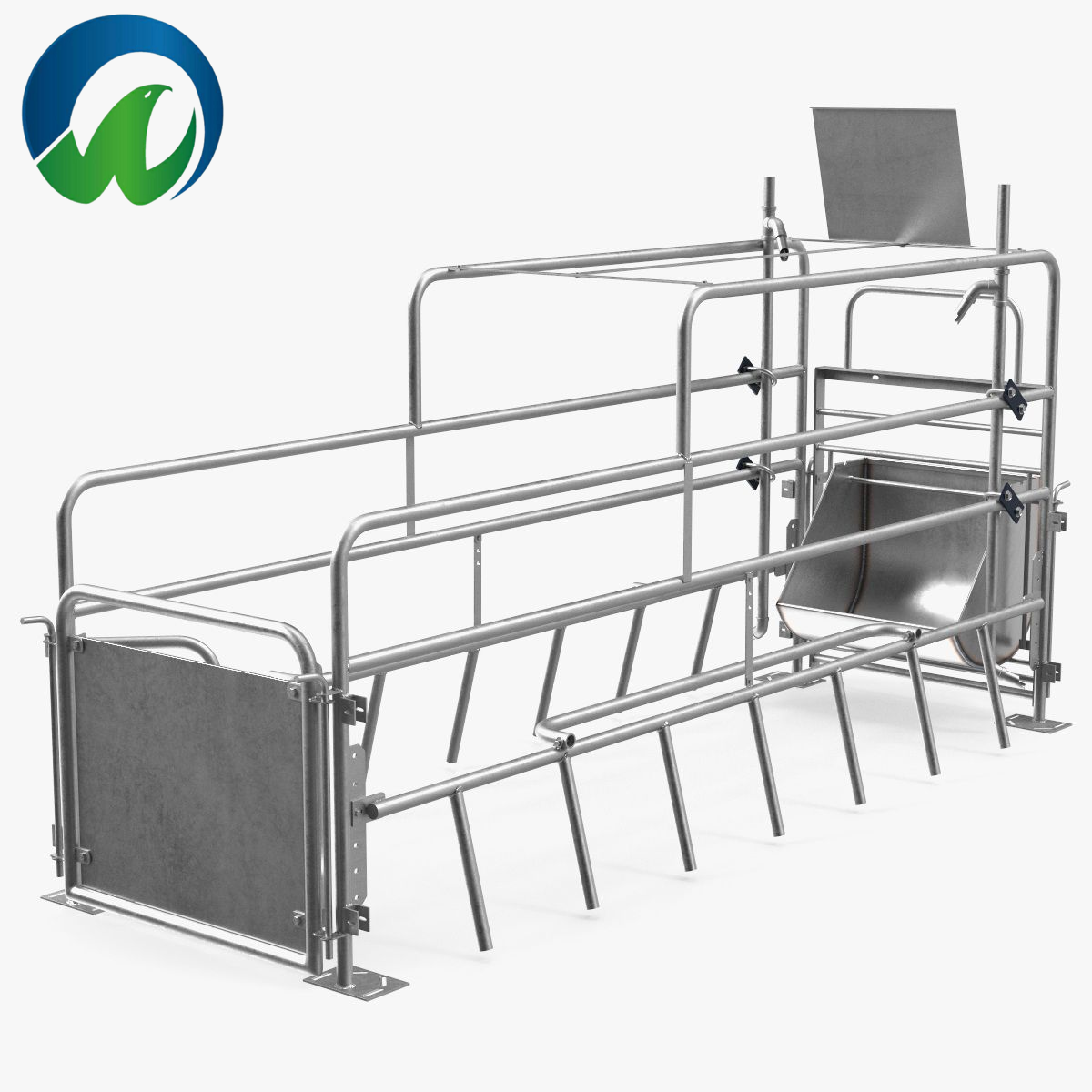
Revolutionary Advances in Modern Pig Feeding Equipment
The evolution of pig feeding troughs has transformed modern swine farming operations, marking a significant shift from traditional feeding methods to sophisticated feeding solutions. Today's pig feeding troughs incorporate cutting-edge design elements that maximize feed efficiency, reduce waste, and promote optimal growth rates. These innovations are reshaping how farmers approach livestock feeding management while delivering substantial improvements in operational efficiency and profitability.
As the swine industry continues to evolve, the demand for more efficient feeding solutions has driven manufacturers to develop increasingly sophisticated pig feeding troughs. These advancements not only address common feeding challenges but also integrate seamlessly with modern farm management systems, creating a more streamlined and productive environment for both animals and farmers.
Core Design Elements of Modern Feeding Systems
Material Innovation and Durability
Modern pig feeding troughs utilize advanced materials that significantly extend their operational lifespan while maintaining optimal hygiene standards. High-grade stainless steel and specialized food-grade polymers resist corrosion and bacterial growth, ensuring long-term durability even under harsh farm conditions. These materials are specifically chosen for their smooth surfaces, which prevent feed accumulation and make cleaning more efficient.
The latest designs incorporate antimicrobial properties within the trough materials themselves, creating an additional layer of protection against harmful bacteria and pathogens. This innovation has proven particularly valuable in nursery environments where young pigs are more susceptible to infections.
Ergonomic Design Considerations
The ergonomic aspects of pig feeding troughs have been carefully refined to accommodate natural feeding behaviors and promote comfortable access for animals of different sizes. Modern troughs feature optimized height adjustments and feeding angles that reduce neck strain and encourage proper feeding posture. These design elements contribute to improved feed intake and reduced stress during feeding times.
Manufacturers have also implemented specialized lip designs and protective edges that prevent injury while allowing pigs to feed naturally. These features are particularly important in group housing situations where multiple animals access the feeding troughs simultaneously.
Smart Technology Integration
Automated Feed Distribution Systems
The incorporation of smart technology into pig feeding troughs has revolutionized feed management. Modern systems feature automated distribution mechanisms that deliver precise portions at scheduled intervals, ensuring consistent feeding patterns and reducing labor requirements. These systems can be programmed to adjust feed quantities based on the age and weight of the pigs, optimizing nutrition delivery throughout different growth stages.
Advanced sensors integrated into the troughs monitor feed levels and consumption patterns, automatically triggering refills when necessary. This technology eliminates the risk of empty troughs while preventing overfeeding and waste, resulting in more efficient feed utilization and cost savings.
Data Collection and Analysis
Modern pig feeding troughs are equipped with sophisticated monitoring systems that collect valuable data on feeding behaviors and consumption patterns. This information helps farmers make informed decisions about feed formulation and feeding strategies. The systems can track individual pig performance through RFID tags, enabling precise monitoring of feed conversion rates and early detection of health issues.
The collected data integrates with farm management software, providing comprehensive analytics that help optimize feeding programs and identify areas for improvement. This level of insight was previously impossible with traditional feeding methods.
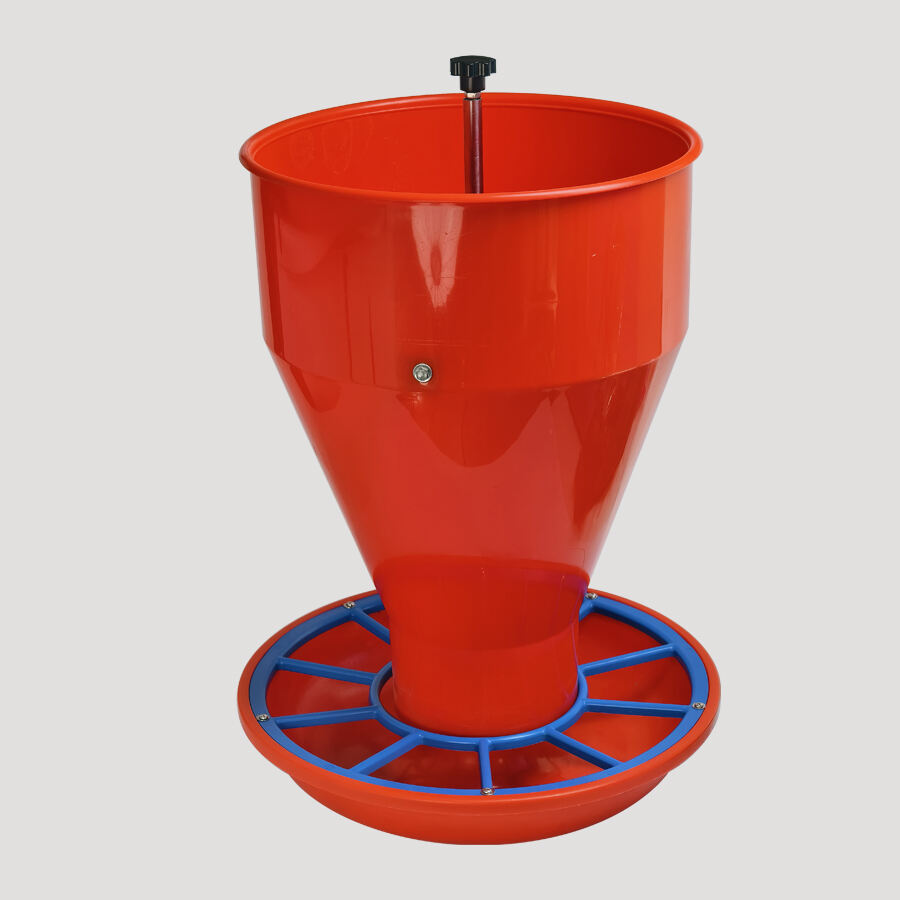
Waste Reduction Features
Spill Prevention Mechanisms
Innovative design features in modern pig feeding troughs specifically address feed wastage, a significant cost factor in swine operations. Advanced lip designs and protective guards prevent feed from being pushed or knocked out of the trough during feeding. These features work in conjunction with specially designed feed flow control mechanisms that release appropriate amounts of feed, reducing the likelihood of overflow and waste.
Some models incorporate sloped bottoms and curved corners that naturally guide feed toward the feeding area, ensuring that all feed remains accessible to the animals. These design elements have shown to reduce feed waste by up to 30% compared to traditional trough designs.
Feed Flow Management
Strategic feed flow management features ensure that feed is dispensed at optimal rates, preventing both overflow and empty troughs. Modern designs include adjustable feed gates and flow regulators that can be calibrated according to different feed types and pig sizes. These mechanisms maintain consistent feed availability while preventing excess accumulation that could lead to spoilage or waste.
Advanced models feature mechanical agitators that prevent feed from bridging or clumping, ensuring smooth flow and even distribution throughout the feeding period. This technology is particularly valuable when using pelleted feeds or specialized feed formulations.
Cleaning and Maintenance Innovations
Self-Cleaning Mechanisms
Modern pig feeding troughs incorporate innovative self-cleaning features that significantly reduce maintenance requirements. These systems often include automated flushing mechanisms that activate during off-peak feeding times, removing feed residue and maintaining hygiene standards. The smooth, non-porous surfaces of modern troughs prevent feed and bacteria from adhering, making cleaning processes more effective.
Some advanced models feature built-in UV sanitization systems that provide continuous disinfection, reducing the risk of bacterial growth and disease transmission. These automated cleaning features not only save labor but also ensure consistent hygiene standards throughout the operation.
Modular Design for Easy Maintenance
The latest pig feeding troughs feature modular designs that allow for quick component replacement and simplified maintenance procedures. Parts that experience the most wear can be easily accessed and replaced without disrupting the entire feeding system. This design approach significantly reduces downtime during maintenance and repairs, ensuring continuous feeding operations.
Manufacturers have also implemented standardized parts across their product lines, making it easier for farmers to maintain replacement inventories and perform routine maintenance efficiently. This standardization has proven particularly valuable for large operations managing multiple feeding systems.
Frequently Asked Questions
How do modern pig feeding troughs improve feed conversion rates?
Modern pig feeding troughs improve feed conversion rates through precise portion control, optimal feed presentation, and reduced wastage. Smart technology integration ensures consistent feed availability and monitors consumption patterns, while ergonomic designs promote natural feeding behaviors, resulting in better feed utilization and improved growth rates.
What maintenance is required for automated feeding systems?
Automated feeding systems require regular inspection of moving parts, cleaning of sensors, and calibration of feed dispensing mechanisms. However, modern self-cleaning features and modular designs significantly reduce maintenance requirements compared to traditional systems. Most manufacturers recommend quarterly professional inspections alongside routine daily monitoring.
How do smart feeding troughs contribute to farm profitability?
Smart feeding troughs enhance farm profitability through multiple channels: reduced feed waste, lower labor costs, improved feed conversion rates, and better animal health monitoring. The data collection capabilities also enable informed decision-making about feed formulation and feeding strategies, leading to optimized operational efficiency and increased returns on investment.
What are the key factors to consider when selecting a modern feeding trough system?
When selecting a modern feeding trough system, consider factors such as herd size, feeding strategy, facility layout, and integration capabilities with existing farm management systems. Other important considerations include durability of materials, maintenance requirements, cleaning efficiency, and the level of automation desired for your operation.