 EN
EN

Modern livestock management requires careful selection of equipment accessories to ensure optimal animal handling and operational efficiency. When establishing or upgrading cattle facilities, ranchers and dairy farmers must consider various components that work together to create a safe, productive environment. The success of any cattle operation depends heavily on choosing appropriate accessories that complement primary equipment while addressing specific operational needs. Understanding the relationship between different equipment components helps farmers make informed decisions that impact both animal welfare and operational costs.
Essential Restraint System Components
Primary Restraint Mechanisms
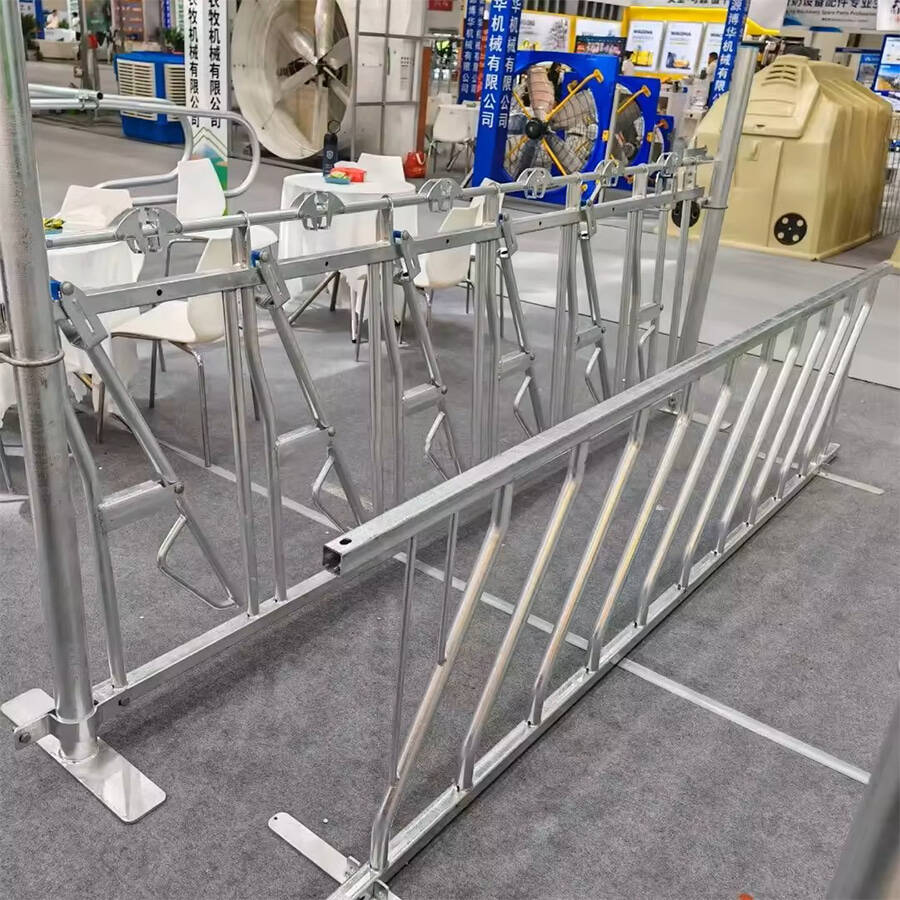
Effective cattle management begins with selecting appropriate restraint systems that ensure animal safety while facilitating necessary procedures. A quality cattle headlock serves as the cornerstone of most handling systems, providing secure positioning for veterinary procedures, feeding management, and routine maintenance tasks. These systems must accommodate various cattle sizes while maintaining consistent reliability throughout daily operations. The design specifications of restraint mechanisms directly influence both operator safety and animal stress levels during handling procedures.
Professional-grade restraint systems incorporate adjustable features that accommodate different breed characteristics and individual animal variations. Heavy-duty construction materials ensure longevity under demanding operational conditions while maintaining smooth operation mechanics. The integration of multiple restraint points allows handlers to customize positioning based on specific procedure requirements. Understanding these fundamental components helps operators select accessories that enhance overall system effectiveness.
Safety Enhancement Features
Modern cattle handling equipment incorporates numerous safety features designed to protect both animals and operators during routine procedures. Quick-release mechanisms provide emergency escape options while maintaining secure restraint under normal operating conditions. Anti-pinch designs prevent injury during equipment operation while ensuring consistent positioning accuracy. These safety enhancements represent critical considerations when evaluating accessory compatibility with existing equipment systems.
Proper safety feature integration requires understanding operational workflows and identifying potential risk points throughout handling procedures. Equipment accessories must complement existing safety protocols while introducing additional protective measures where appropriate. The selection process should prioritize accessories that enhance rather than compromise established safety standards. Regular safety assessments help identify opportunities for improvement through strategic accessory additions.
Feeding System Accessories
Feed Delivery Components
Efficient feed delivery systems require carefully selected accessories that ensure consistent nutrition access while minimizing waste and contamination. Feed barriers work in conjunction with cattle headlock systems to control animal positioning during feeding periods. These components must withstand continuous use while providing easy maintenance access for cleaning and adjustment procedures. The durability of feeding accessories directly impacts long-term operational costs and system reliability.
Advanced feeding systems incorporate automated features that reduce labor requirements while improving feeding consistency. Adjustable feed spaces accommodate different animal sizes and feeding behaviors, ensuring optimal nutrition access for all herd members. The integration of monitoring systems allows operators to track consumption patterns and identify individual animals requiring special attention. Strategic accessory selection can significantly enhance feeding efficiency while reducing operational overhead.
Water System Integration
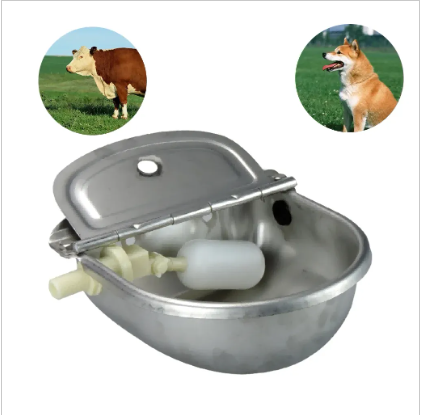
Reliable water access represents a fundamental requirement for successful cattle operations, necessitating accessories that ensure consistent availability under various environmental conditions. Automatic waterers must integrate seamlessly with existing handling systems while providing freeze-resistant operation in cold climates. The positioning of water access points relative to restraint systems influences animal comfort and operational efficiency during extended handling sessions.
Quality water system accessories incorporate features that minimize contamination while reducing maintenance requirements. Heated components ensure year-round operation while energy-efficient designs control operational costs. The selection of appropriate water system accessories requires consideration of climate conditions, herd size, and existing infrastructure capabilities. Proper integration enhances overall system functionality while supporting animal health and welfare objectives.
Handling Facility Enhancement
Traffic Flow Optimization
Effective cattle movement through handling facilities depends on accessories that guide animal behavior while reducing stress and processing time. Gate systems must complement cattle headlock positioning to create smooth traffic flow patterns that minimize confusion and resistance. The strategic placement of directional accessories helps maintain consistent movement speeds while reducing the need for excessive handler intervention.
Modern handling facility design emphasizes curved pathways and gradual transitions that work with natural cattle behavior patterns. Accessories that support these design principles include adjustable barriers, flexible fencing systems, and specialized flooring materials that provide secure footing. The integration of these components creates handling environments that reduce stress while improving operational efficiency. Understanding cattle behavior psychology helps guide accessory selection decisions that enhance facility performance.
Maintenance and Durability Features
Long-term operational success requires selecting accessories manufactured from materials that withstand harsh agricultural environments while maintaining consistent performance. Galvanized steel components provide excellent corrosion resistance while supporting heavy-duty applications. The selection of appropriate finishing materials influences both appearance and functional longevity under continuous use conditions.
Preventive maintenance capabilities should guide accessory selection to ensure systems remain operational with minimal downtime. Replaceable wear components allow for routine maintenance without complete system replacement, reducing long-term operational costs. The availability of replacement parts and service support represents important considerations when evaluating accessory options. Strategic maintenance planning helps maximize equipment lifespan while maintaining optimal performance standards.
Technology Integration Options
Monitoring and Control Systems
Advanced cattle operations benefit from technology accessories that provide real-time monitoring and automated control capabilities. Electronic identification systems integrate with cattle headlock mechanisms to automatically record animal information during handling procedures. These systems reduce manual record-keeping requirements while improving data accuracy and accessibility. The implementation of monitoring technology enhances operational efficiency while supporting regulatory compliance requirements.
Remote monitoring capabilities allow operators to track system performance and identify maintenance needs before equipment failures occur. Automated alert systems provide immediate notification of operational anomalies or safety concerns. The integration of technology accessories requires consideration of existing infrastructure capabilities and operational workflows. Proper implementation can significantly enhance productivity while reducing labor requirements for routine monitoring tasks.
Data Collection and Analysis
Modern livestock management relies heavily on data-driven decision making, requiring accessories that facilitate comprehensive information collection during routine operations. Weight monitoring systems integrated with restraint equipment provide valuable health and performance data for individual animals. The accuracy and reliability of data collection accessories directly influence the quality of management decisions and operational outcomes.
Automated data recording eliminates manual entry errors while ensuring consistent information capture across all handling procedures. Integration with farm management software systems allows for comprehensive analysis and reporting capabilities. The selection of data collection accessories should prioritize compatibility with existing systems while providing expansion capabilities for future operational growth. Strategic technology investment enhances long-term operational sustainability and profitability.
Cost-Benefit Analysis Considerations
Initial Investment Evaluation
Proper accessory selection requires comprehensive evaluation of initial costs relative to expected operational benefits and longevity. High-quality cattle headlock accessories typically command premium pricing but deliver superior performance and durability compared to economy alternatives. The total cost of ownership includes initial purchase price, installation expenses, and projected maintenance requirements over the equipment lifespan.
Strategic investment planning helps identify accessories that provide the greatest return through improved efficiency, reduced labor costs, or enhanced animal welfare outcomes. The evaluation process should consider both immediate operational needs and future expansion requirements to ensure selected accessories remain relevant as operations grow. Financing options and vendor support services represent additional factors that influence overall investment value.
Long-term Operational Impact
The long-term value of equipment accessories extends beyond initial functionality to include impacts on operational efficiency, animal health outcomes, and facility maintenance requirements. Quality accessories reduce breakdown frequency while maintaining consistent performance throughout extended operational periods. The cumulative effect of reliable equipment operation significantly influences overall farm profitability and operational sustainability.
Operational efficiency improvements through appropriate accessory selection can generate substantial cost savings over time through reduced labor requirements and improved processing speeds. Enhanced animal welfare outcomes contribute to improved health status and productivity metrics that directly impact farm profitability. The selection process should prioritize accessories that deliver measurable operational improvements while supporting long-term business objectives.
Installation and Compatibility Factors
System Integration Requirements
Successful accessory implementation requires careful evaluation of compatibility with existing equipment and facility infrastructure. Mounting specifications and dimensional requirements must align with available installation space while maintaining proper operational clearances. The integration process should minimize disruption to ongoing operations while ensuring optimal accessory performance within the overall system design.
Professional installation services help ensure proper accessory integration while maintaining manufacturer warranty coverage and operational safety standards. The complexity of installation procedures varies significantly between different accessory types, influencing both installation costs and timeline requirements. Understanding installation requirements helps guide selection decisions while ensuring realistic project planning and budgeting.
Future Expansion Considerations
Strategic accessory selection should account for potential facility expansion or operational changes that may affect equipment requirements in the future. Modular design approaches allow for system growth without requiring complete replacement of existing equipment investments. The selection of accessories with expansion capabilities provides operational flexibility while protecting initial investment value.
Standardized mounting systems and universal compatibility features facilitate future equipment additions while maintaining system cohesion. The availability of upgrade options and retrofit capabilities represents important considerations when evaluating long-term accessory value. Planning for future needs helps ensure selected accessories remain relevant and functional throughout their expected service life.
FAQ
What factors should be considered when selecting cattle headlock accessories for different herd sizes
Herd size directly influences the type and quantity of cattle headlock accessories required for efficient operations. Larger herds benefit from automated features and heavy-duty construction materials that withstand frequent use, while smaller operations may prioritize versatility and cost-effectiveness. Consider processing speed requirements, available labor resources, and facility space constraints when selecting accessories for specific herd sizes.
How do environmental conditions affect the choice of equipment accessories
Environmental factors such as temperature extremes, humidity levels, and exposure to corrosive elements significantly influence accessory material selection and design requirements. Cold climates require freeze-resistant components and heated elements for water systems, while humid environments demand enhanced corrosion protection. UV resistance becomes critical for outdoor installations, and drainage considerations affect foundation and mounting requirements.
What maintenance schedule should be followed for cattle handling equipment accessories
Regular maintenance schedules should include daily visual inspections, weekly lubrication of moving parts, monthly detailed examinations of wear components, and annual comprehensive system evaluations. The frequency and scope of maintenance procedures depend on usage intensity, environmental conditions, and manufacturer recommendations. Preventive maintenance programs help identify potential issues before they cause equipment failures or safety hazards.
How can technology accessories improve operational efficiency in cattle handling systems
Technology accessories enhance operational efficiency through automated data collection, remote monitoring capabilities, and improved processing speeds. Electronic identification systems reduce manual record-keeping while improving accuracy, and automated sorting mechanisms decrease labor requirements for routine operations. Integration with farm management software provides valuable analytics for optimizing operational procedures and identifying improvement opportunities.
Table of Contents
- Essential Restraint System Components
- Feeding System Accessories
- Handling Facility Enhancement
- Technology Integration Options
- Cost-Benefit Analysis Considerations
- Installation and Compatibility Factors
-
FAQ
- What factors should be considered when selecting cattle headlock accessories for different herd sizes
- How do environmental conditions affect the choice of equipment accessories
- What maintenance schedule should be followed for cattle handling equipment accessories
- How can technology accessories improve operational efficiency in cattle handling systems