EN
EN


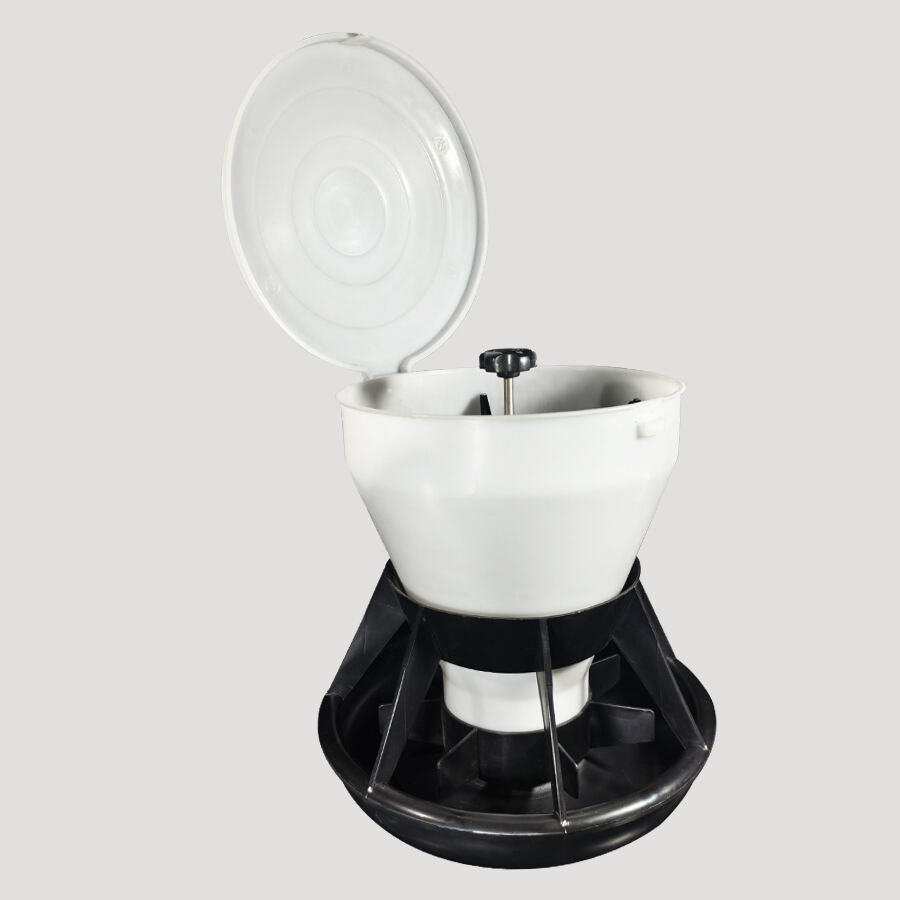
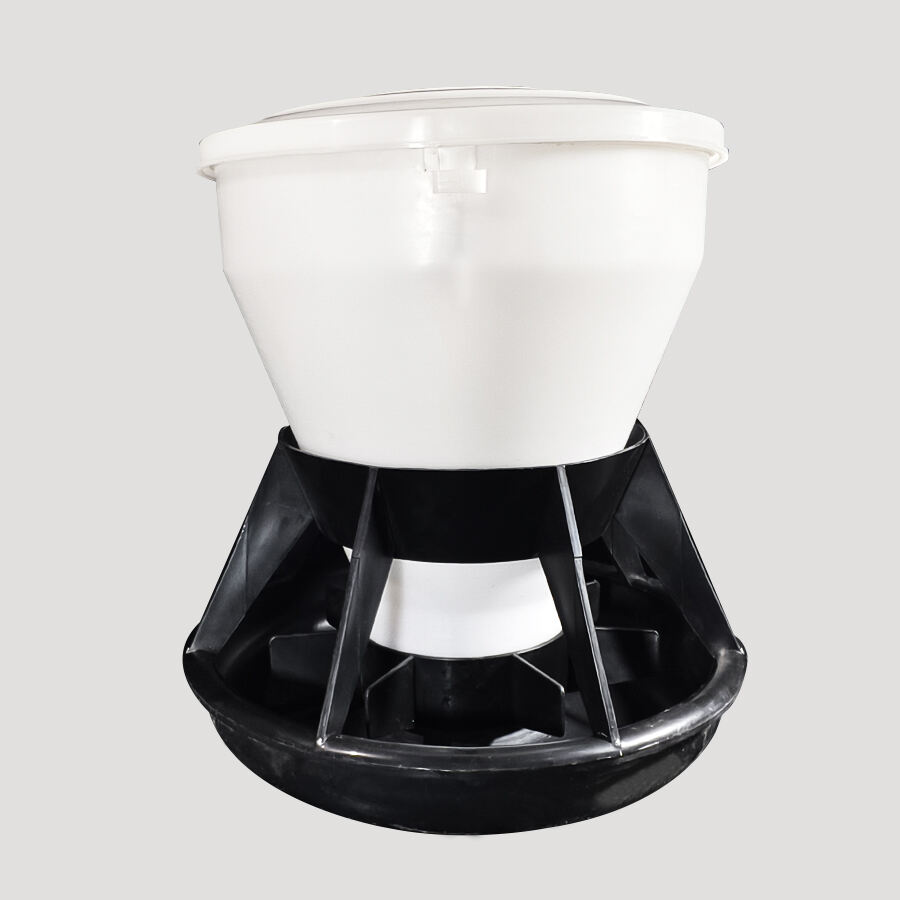
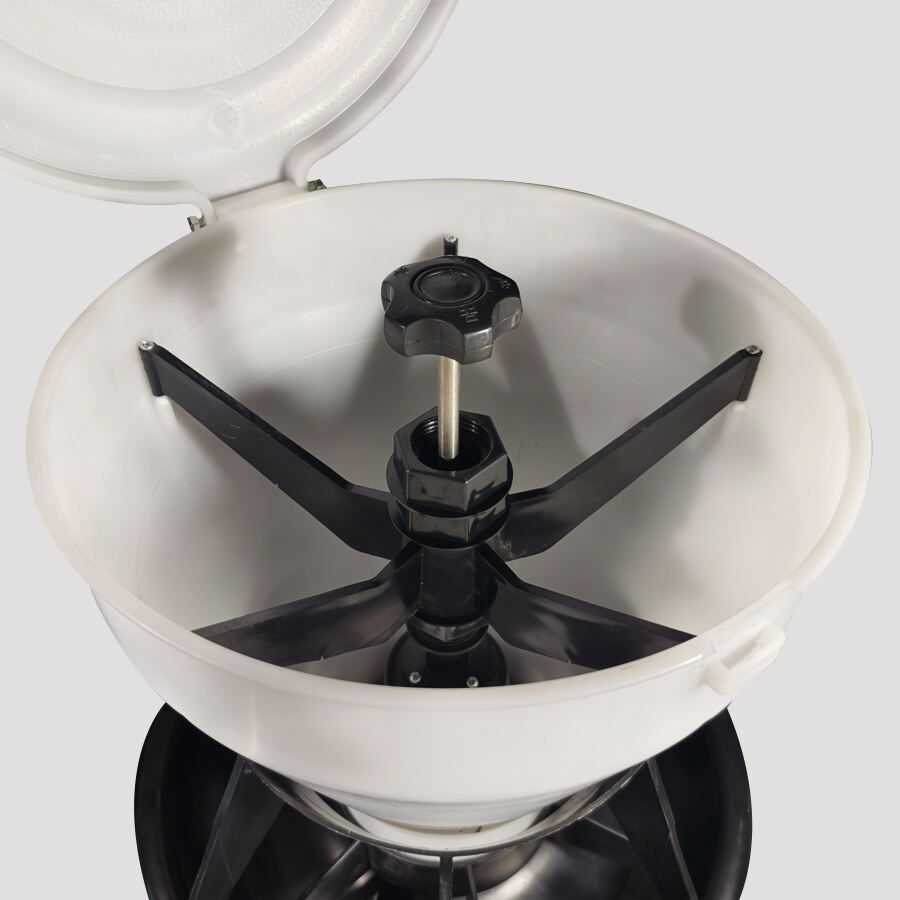
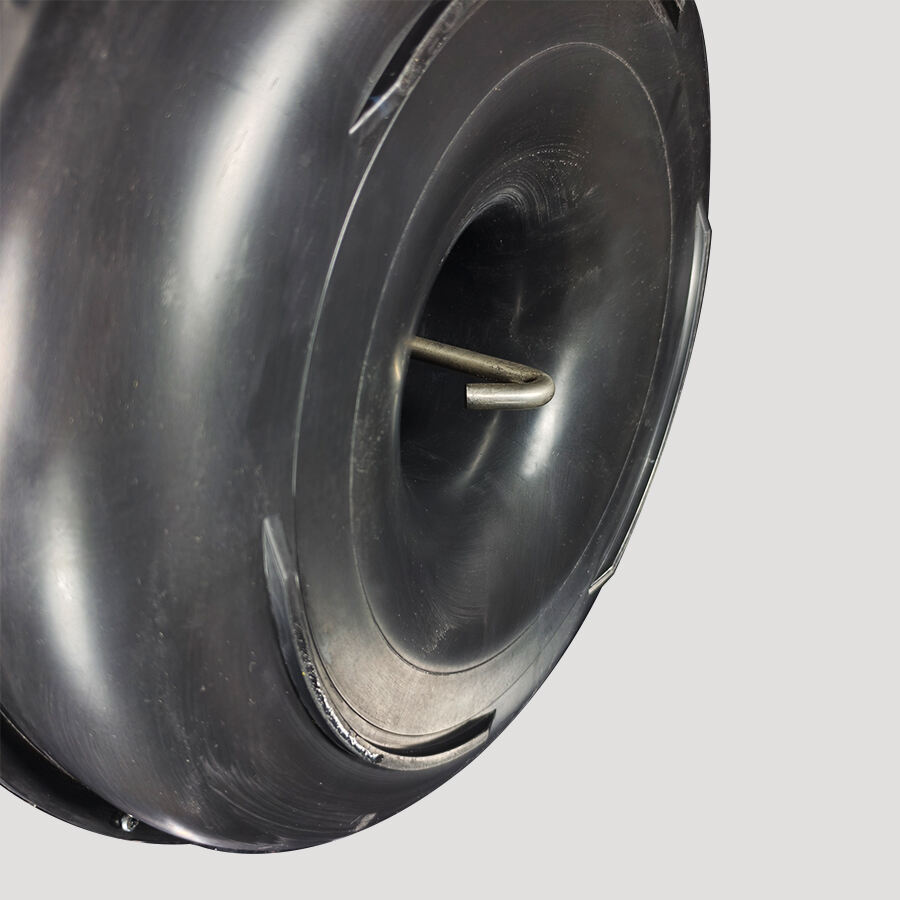
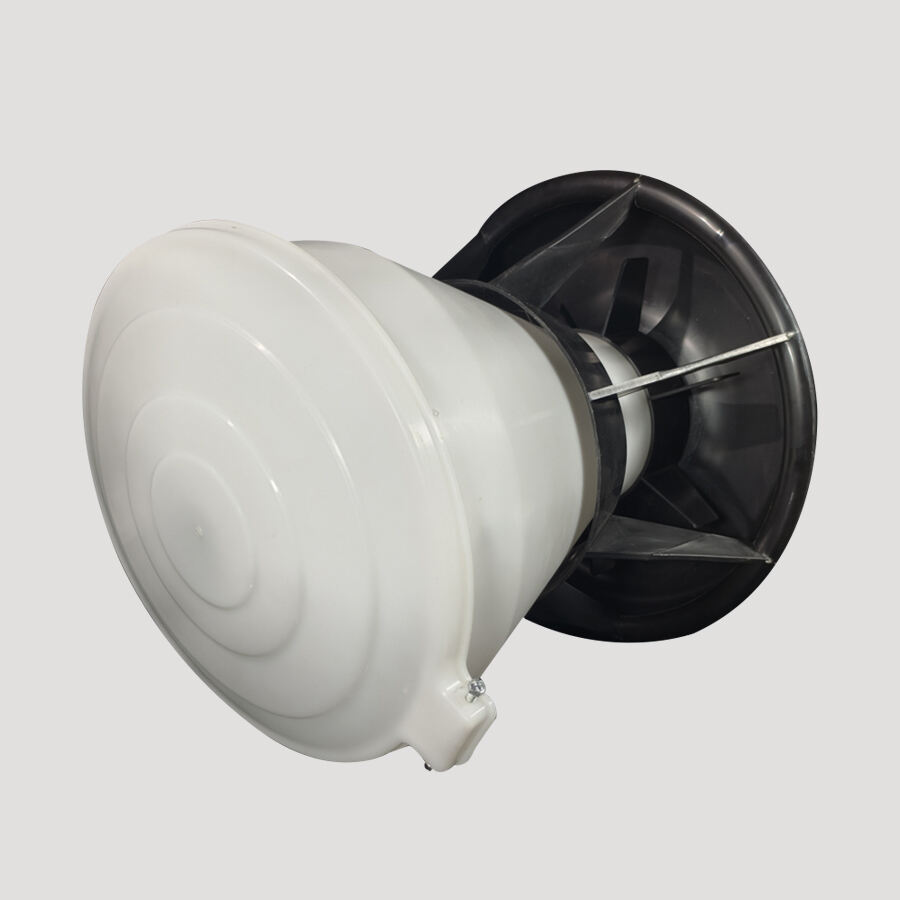
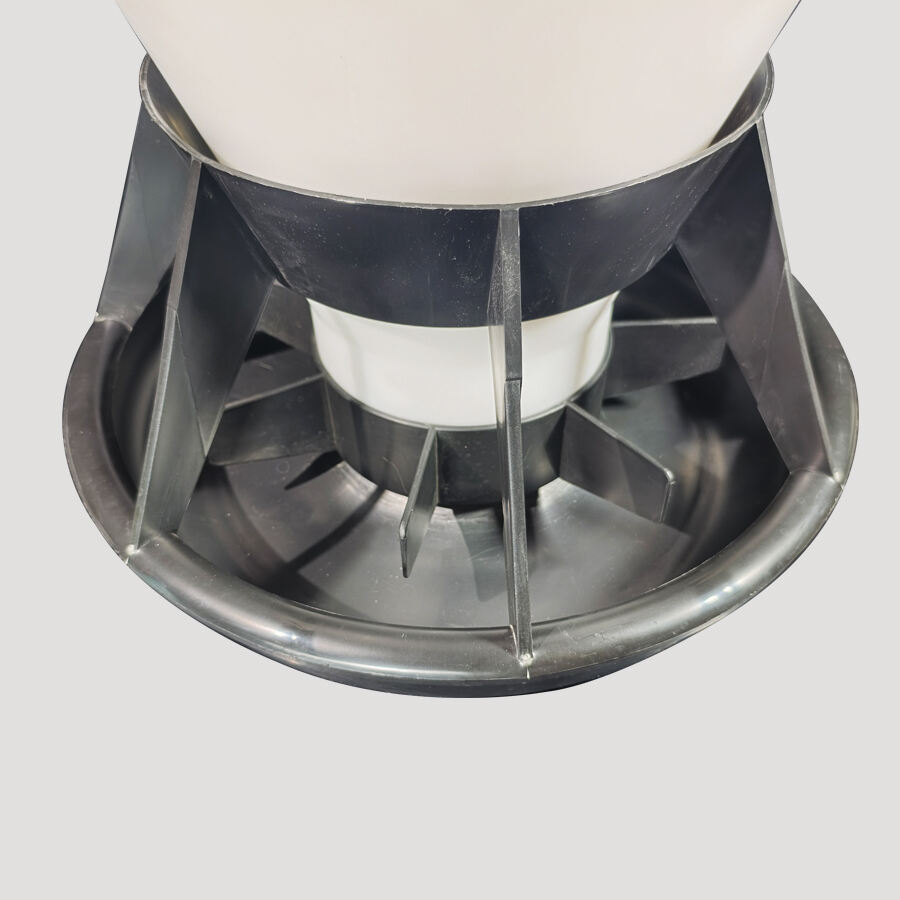

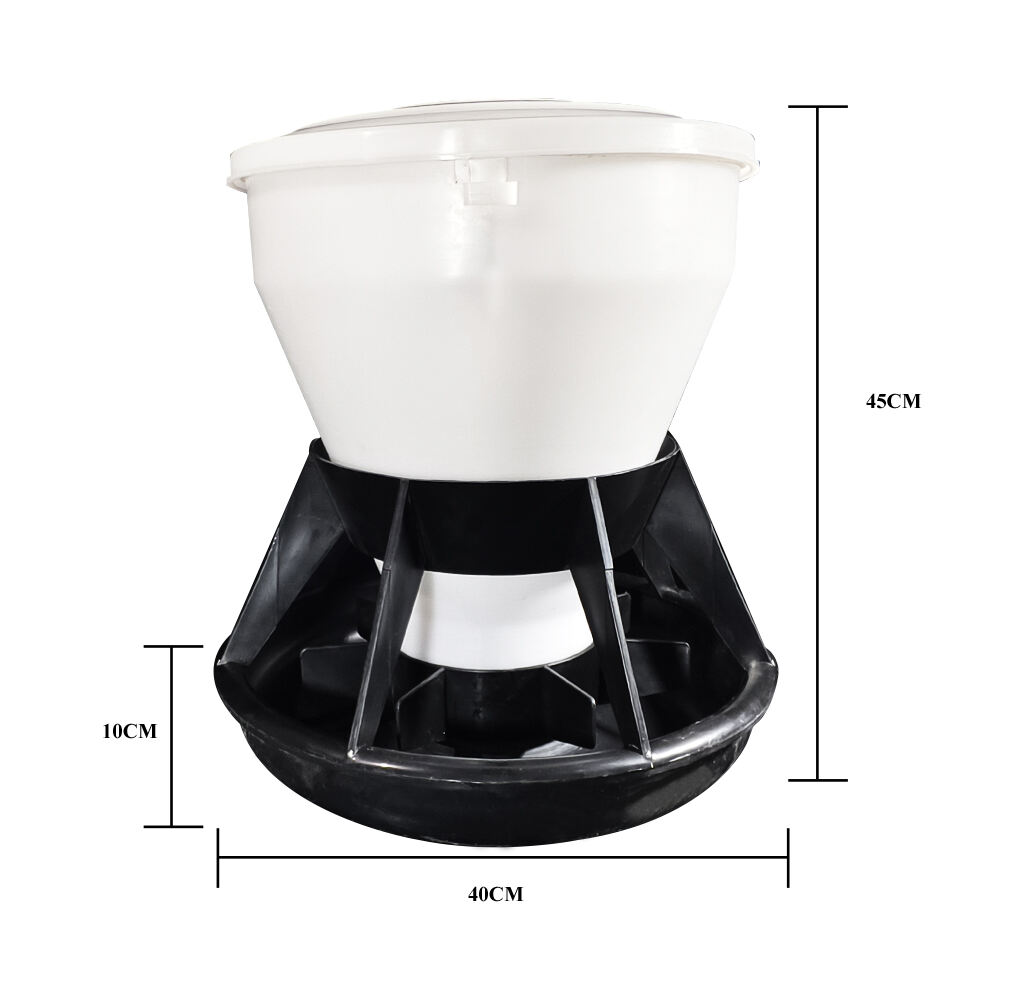
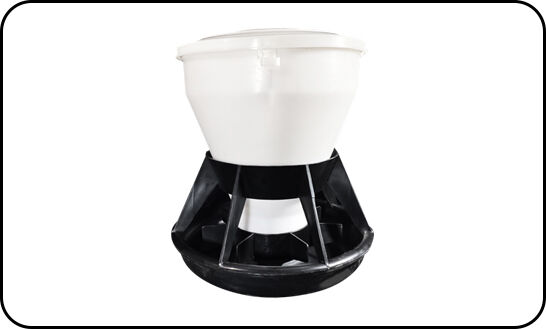
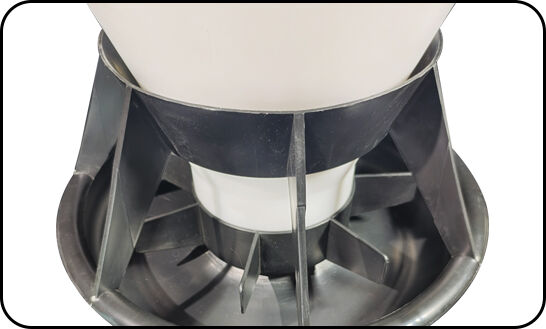
The Automatic Plastic Piglet And Nursery Pig Feeding Trough represents a sophisticated feeding solution engineered specifically for modern swine farming operations that prioritize efficiency, hygiene, and optimal growth conditions for young pigs during their most critical developmental stages. This innovative feeding system combines advanced polymer materials with precision-molded construction techniques to deliver a durable, lightweight, and highly functional feeding apparatus that addresses the unique nutritional requirements and feeding behaviors of piglets transitioning from weaning through early nursery phases. International buyers and agricultural equipment distributors recognize this specialized feeding trough as an essential component for commercial pig farming facilities, breeding operations, and integrated livestock management systems that demand consistent feed delivery while minimizing waste and maintaining superior sanitary conditions. The automatic feeding mechanism incorporated into this design ensures continuous access to fresh feed while preventing contamination from environmental factors, creating an optimal feeding environment that supports healthy weight gain and reduces mortality rates commonly associated with inadequate nutrition systems in young pig populations.
Manufacturing excellence defines every aspect of this Automatic Plastic Piglet And Nursery Pig Feeding Trough, utilizing high-grade food-safe plastics that demonstrate exceptional resistance to corrosive feed additives, frequent cleaning protocols, and the demanding conditions typical of intensive farming environments. The polymer composition selected for this application provides superior impact resistance while maintaining flexibility under temperature variations, ensuring reliable performance across diverse climate zones and seasonal operational demands. Advanced injection molding processes create seamless surfaces that eliminate bacterial harboring points, while precision-engineered feeding compartments promote natural feeding postures that reduce stress and encourage consistent intake patterns among piglets of varying sizes and competitive feeding behaviors. The smooth interior finish facilitates thorough cleaning procedures essential for maintaining biosecurity standards required by modern pig production facilities, while the robust construction withstands repeated disinfection cycles without material degradation or structural compromise that could compromise long-term operational reliability.
Design considerations for this automatic feeding system extend beyond basic functionality to encompass comprehensive animal welfare principles and operational efficiency optimization that international farming operations increasingly demand from their equipment investments. The trough dimensions and feeding access points accommodate multiple piglets simultaneously while preventing aggressive feeding behaviors that can result in injuries or uneven growth patterns within litter groups. Strategic positioning of feed delivery mechanisms ensures consistent portion distribution while minimizing feed spillage that represents both economic waste and potential sanitation concerns in confined animal feeding operations. The automatic feeding components integrate seamlessly with existing farm management systems, allowing for precise feed scheduling and portion control that aligns with nutritional programs developed by veterinary specialists and animal nutritionists focused on maximizing feed conversion efficiency during these crucial early growth phases.
Customization capabilities available for this feeding solution enable agricultural equipment suppliers and farm operation managers to specify configurations that align precisely with their facility layouts, management protocols, and specific breed requirements that may influence feeding system specifications. Surface treatment options enhance the natural properties of the plastic construction, providing additional resistance to chemical sanitizers while maintaining the bright, easily inspectable finish that farming personnel rely upon for visual quality assessments during routine maintenance procedures. The modular design philosophy incorporated into this feeding system allows for scalable installation approaches that accommodate everything from small specialty breeding operations to large commercial pig production facilities requiring hundreds of feeding stations coordinated through centralized feed distribution networks.
Application suitability spans the complete spectrum of modern pig farming operations, from boutique breeding facilities focused on heritage breeds to large-scale commercial operations processing thousands of animals through standardized growth protocols that demand consistent, reliable feeding infrastructure. The automatic feeding mechanism proves particularly valuable in operations where labor efficiency represents a critical cost control factor, enabling fewer personnel to manage larger pig populations while maintaining the frequent feeding schedules essential for optimal piglet development. Integration with automated farm management systems allows for data collection regarding feed consumption patterns, enabling precision nutrition adjustments that optimize growth rates while minimizing feed costs throughout the nursery phase when pigs establish eating patterns that influence their entire production cycle performance.
Quality consistency philosophy underlying this feeding system reflects extensive manufacturing experience in producing agricultural equipment that meets the rigorous demands of international farming operations where equipment failure can result in significant animal welfare concerns and economic losses. Comprehensive quality control measures ensure that each feeding trough meets identical specifications regardless of production batch, maintaining the reliability that farming operations depend upon for their daily animal care routines. The materials selection process prioritizes components that maintain their performance characteristics throughout extended operational periods, reducing replacement frequency and minimizing operational disruptions that can negatively impact animal health and farm productivity metrics.
Export-oriented design considerations address the diverse regulatory environments and operational standards that characterize international agricultural markets, ensuring compatibility with various farm certification programs and animal welfare standards that increasingly influence purchasing decisions in global markets. The lightweight construction reduces shipping costs while maintaining structural integrity during international transportation, making this feeding solution economically viable for distributors serving diverse geographical markets. Packaging specifications accommodate efficient container loading while protecting the product during extended shipping periods and multiple handling stages typical of international trade logistics.
Collaboration opportunities with OEM partners and private label customers reflect a comprehensive understanding of how agricultural equipment manufacturers and distributors develop product lines that serve specific market segments and regional preferences. The fundamental design accommodates various branding approaches while maintaining the core functionality that defines effective piglet feeding systems. This cooperation mindset extends to packaging customization, documentation adaptation, and technical support services that enable successful market entry and ongoing customer satisfaction in competitive agricultural equipment markets where product reliability directly influences customer retention and referral patterns essential for long-term business success.