
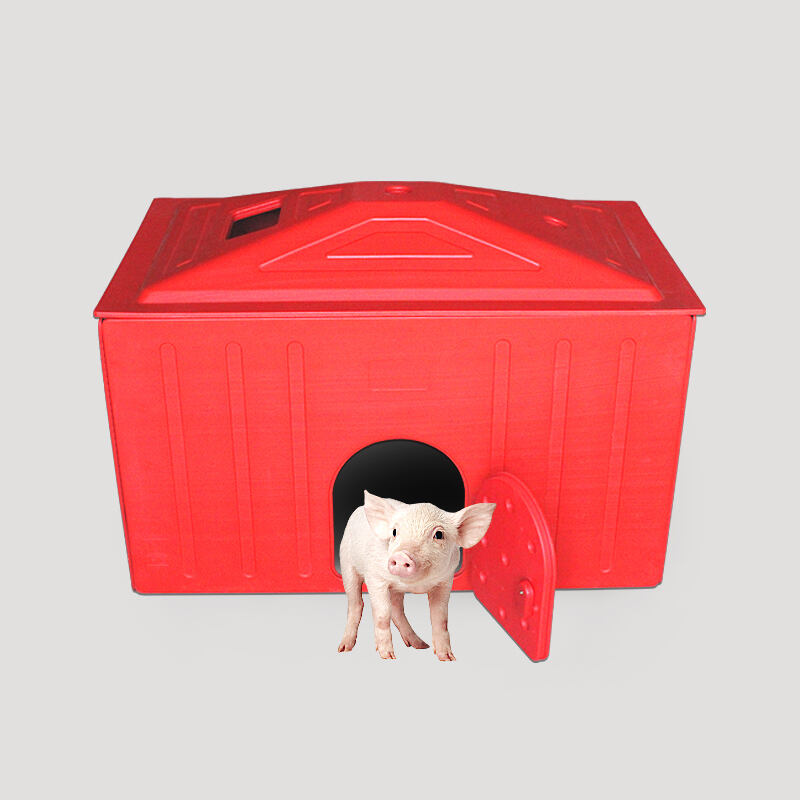
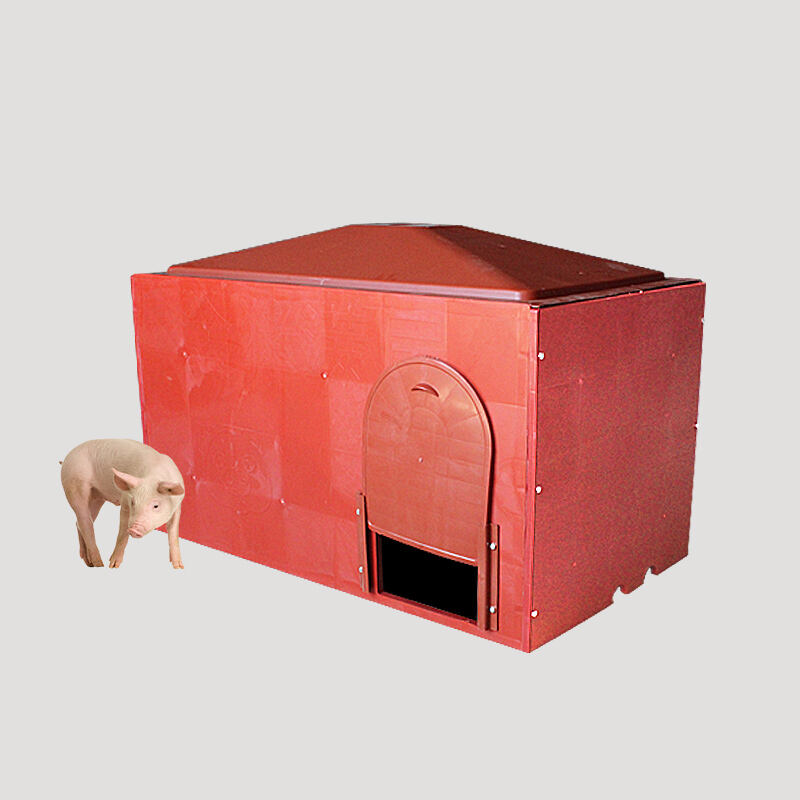
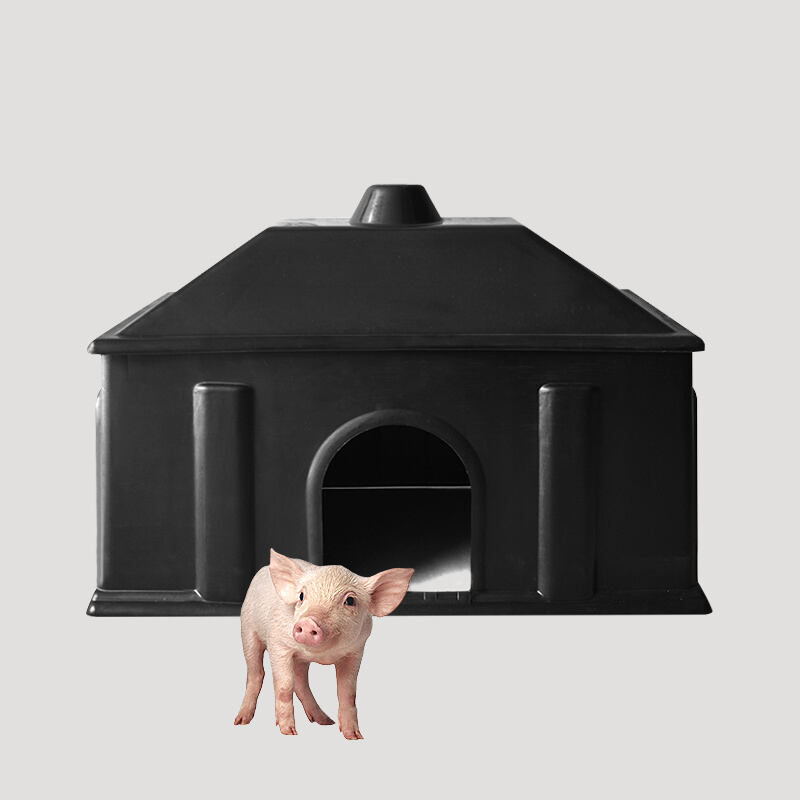
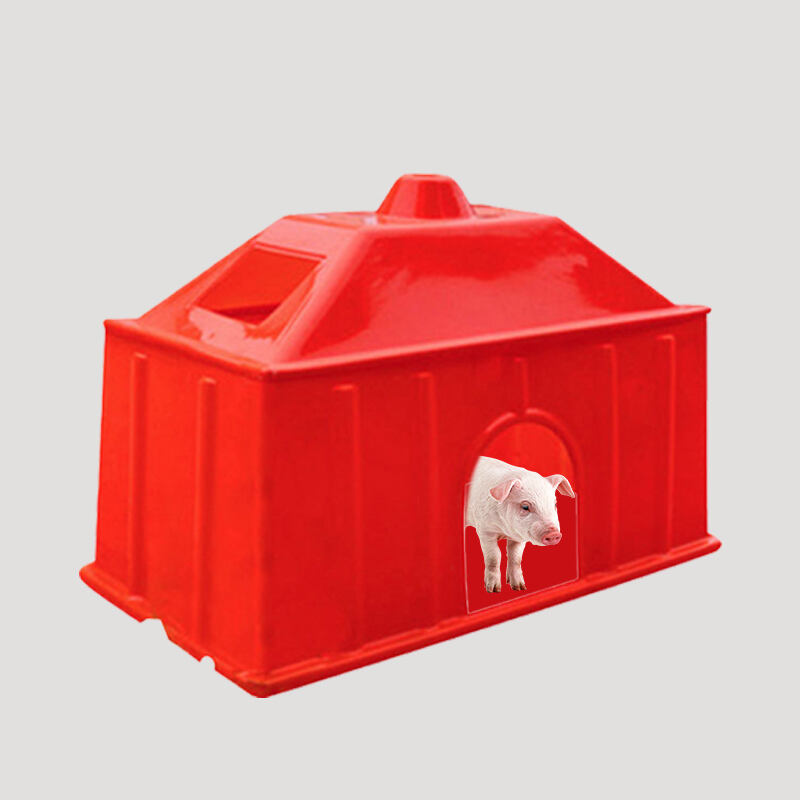
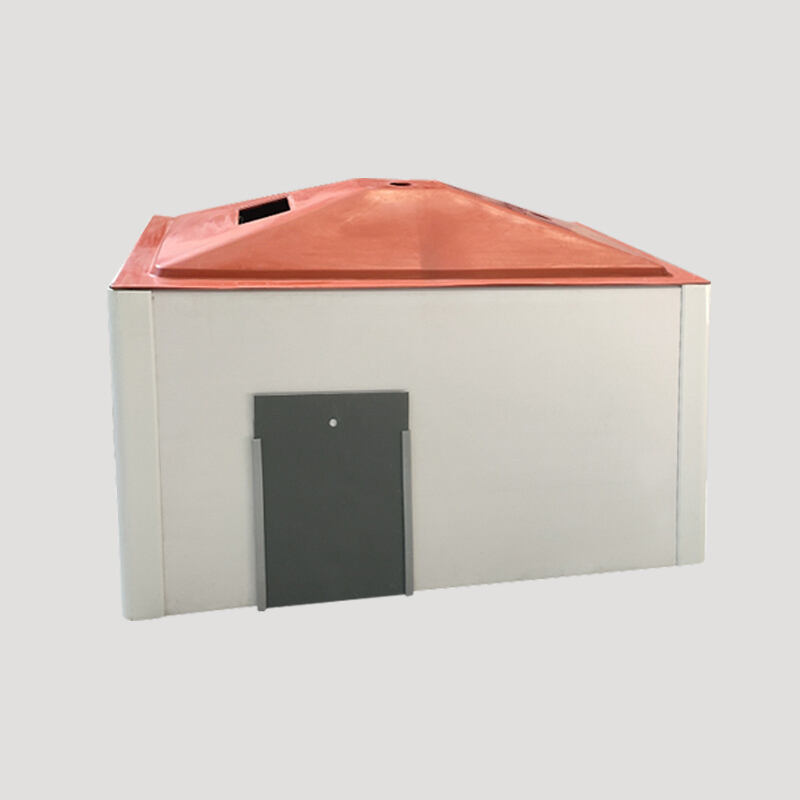
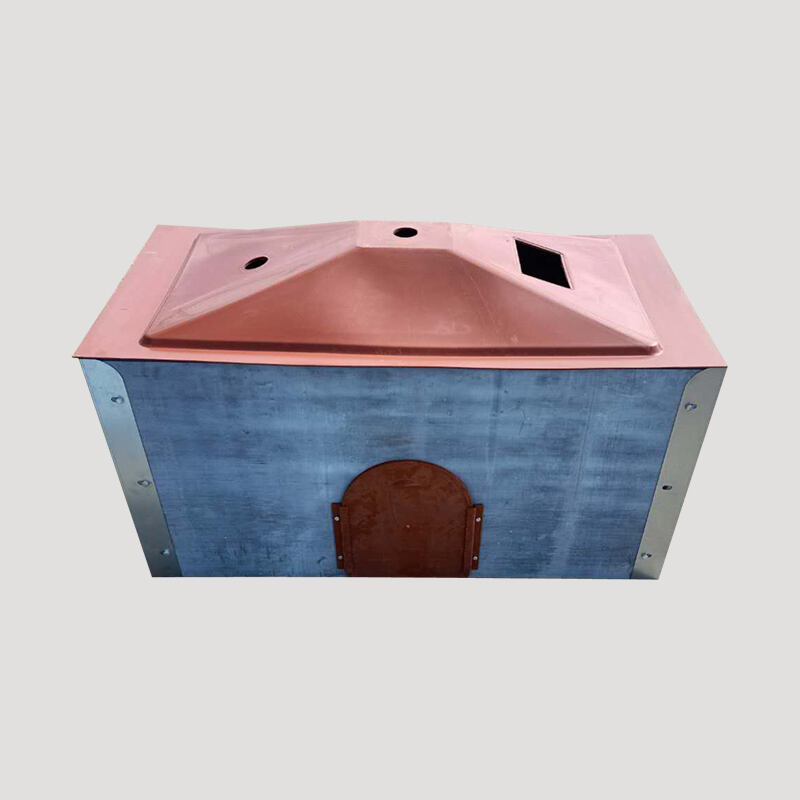
The Thickened Piglet Incubator Breeding Equipment represents a sophisticated approach to modern swine husbandry, delivering enhanced thermal regulation and protective environments essential for successful piglet development during critical early-life stages. This specialized breeding apparatus incorporates advanced insulation technologies and durable construction materials designed to withstand the demanding conditions of commercial pig farming operations while maintaining optimal temperature stability for newborn livestock. The thickened design philosophy emphasizes superior heat retention capabilities, ensuring consistent microclimate control that supports healthy growth patterns and reduces mortality rates in vulnerable piglet populations. Manufacturing excellence drives the development of these incubation systems, with precision-engineered components that integrate seamlessly into existing breeding facility infrastructures while accommodating diverse operational requirements across international markets. The equipment features robust construction utilizing high-grade materials that resist corrosion, impact damage, and frequent sanitization procedures commonly required in professional animal husbandry environments. Surface treatments and protective coatings enhance longevity while facilitating thorough cleaning protocols essential for maintaining biosecurity standards in commercial breeding operations. The innovative insulation system incorporates multiple thermal barriers that minimize heat loss while preventing condensation buildup, creating stable environmental conditions conducive to optimal piglet development and health outcomes. Ventilation considerations are carefully integrated into the design framework, allowing for controlled air circulation that maintains fresh oxygen levels without compromising temperature stability or creating harmful drafts that could stress sensitive newborn animals. The spacious interior configuration accommodates multiple piglets while providing adequate room for natural movement and positioning, supporting proper physical development and reducing stress-related complications during the critical incubation period. Ergonomic access features enable efficient monitoring and care procedures, allowing farm personnel to conduct routine health checks, feeding operations, and cleaning activities without disrupting the controlled environment or causing undue stress to the animals. The equipment demonstrates exceptional versatility in accommodating various breeding protocols and management practices employed across different geographical regions and farming traditions, making it suitable for both large-scale commercial operations and specialized breeding facilities focused on particular swine genetics or production objectives. Quality assurance protocols ensure consistent manufacturing standards that meet the demanding requirements of professional livestock operations, with rigorous testing procedures validating thermal performance, structural integrity, and operational reliability under diverse environmental conditions. The modular design approach facilitates customization opportunities that address specific facility layouts, climate considerations, and operational preferences while maintaining the core performance characteristics essential for successful piglet incubation. International compatibility considerations include adaptable power requirements, standardized connection interfaces, and construction materials suitable for various regulatory environments and import requirements across different markets. The equipment supports sustainable farming practices by optimizing energy efficiency and reducing resource consumption while maintaining superior performance standards that contribute to improved animal welfare outcomes and operational profitability. Advanced monitoring capabilities can be integrated to provide real-time environmental data and alert systems that enhance management efficiency and reduce the risk of equipment failure or environmental deviation that could compromise animal health. The collaborative approach to product development incorporates feedback from experienced livestock professionals and veterinary specialists to ensure that design features address practical challenges encountered in real-world breeding environments. Customization services accommodate specific operational requirements, facility constraints, and regional preferences while maintaining the fundamental performance characteristics that define effective piglet incubation equipment. The manufacturing process emphasizes precision assembly techniques and quality control measures that ensure consistent product performance across production batches, supporting reliable supply chain relationships with international distributors and end-user facilities. Packaging protocols protect equipment integrity during shipping and handling while minimizing transportation costs and environmental impact through optimized container utilization and protective material selection. Long-term partnership opportunities focus on ongoing technical support, replacement part availability, and equipment upgrades that extend operational lifespan and adapt to evolving industry standards or facility expansion requirements. The commitment to continuous improvement drives research and development initiatives that incorporate emerging technologies and industry best practices into future product iterations while maintaining compatibility with existing installations and established operational procedures.
- Overview
- Size
- Details
- Recommended Products
Description
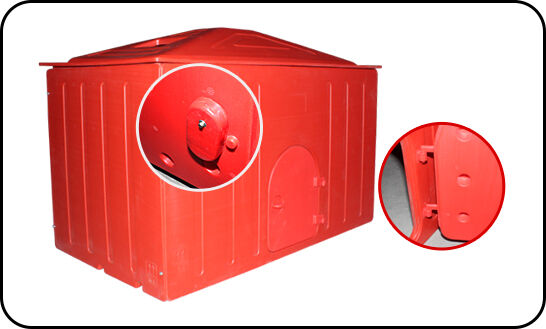
Piglet incubators address key challenges in modern pig farming. Traditionally, piglets are weaned at 45–60 days, but modern practices adopt early weaning (21–28 days) to boost sow productivity by shortening lactation. This also prevents sow-crushing of piglets and lowers risks of infectious/parasitic diseases, enhancing survival rates and pen utilization—yet it may stress piglets, triggering post-weaning wasting syndrome.
Incubators use fiberglass, a warm, low-thermal-conductivity material. Their fast, even-heating plates maintain consistent abdominal temperatures for piglets, warding off diarrhea from temperature inconsistencies. Non-porous fiberglass blocks pathogen entry, unlike porous wood or cement alternatives that harbor pathogens and are unsuitable.
Stainless steel insulated boxes (also for piglets) offer multiple advantages: high strength, light weight, and a sleek, clean appearance. Their smooth surfaces ease cleaning; stable physical/chemical properties prevent water contamination, ensuring hygienic water quality.
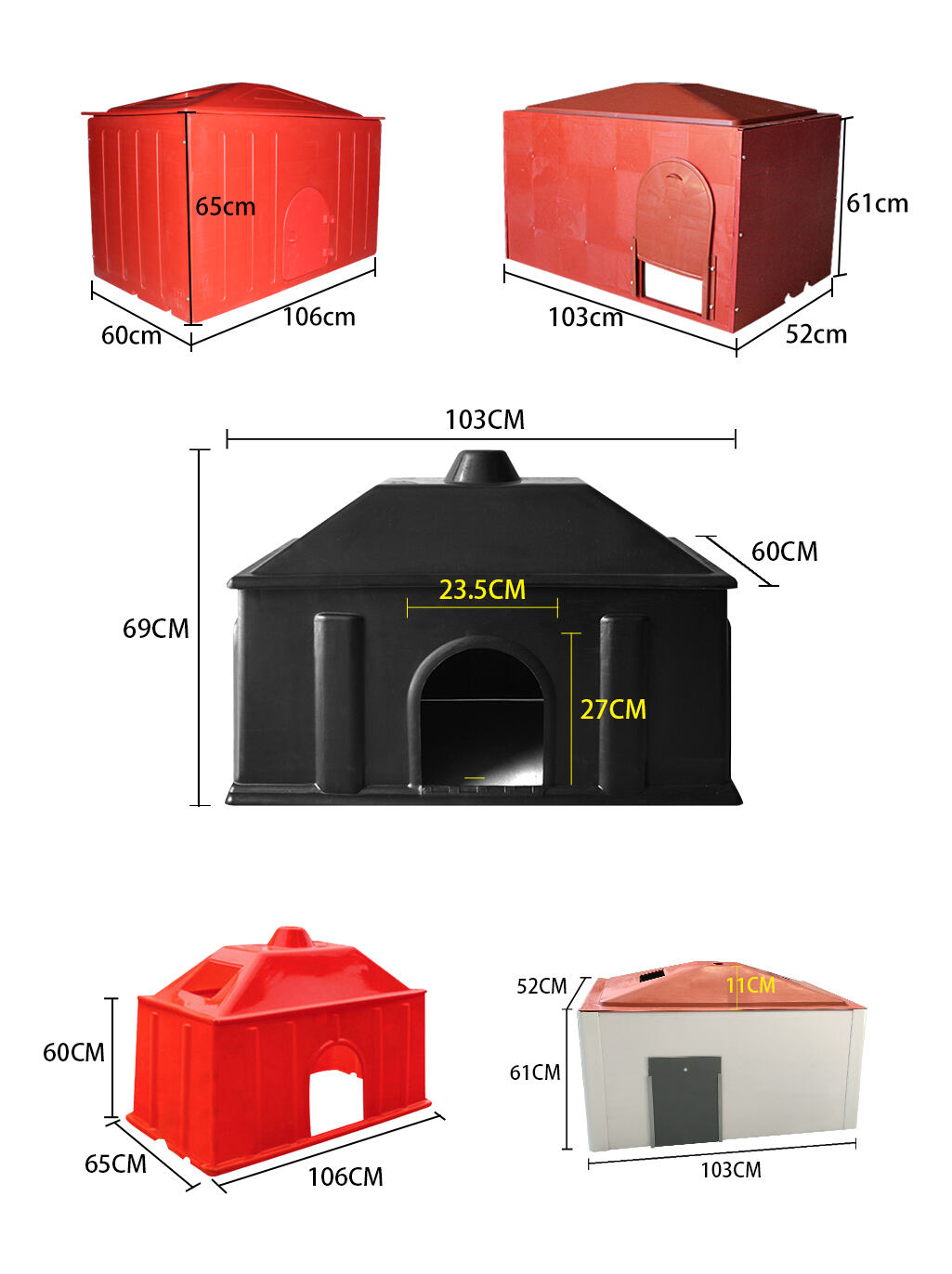
Size

Details
![]() |
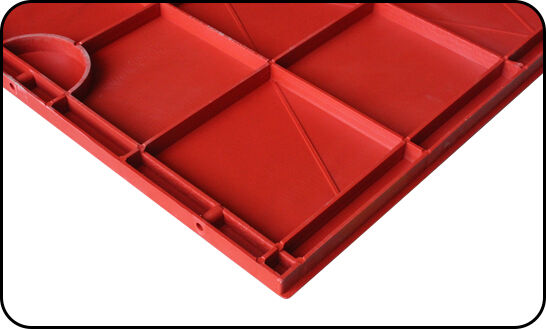
Reinforcing rib design Environmentally friendly materials strong and durable |
|
Corner reinforcement Thermal insulation Four corners are reinforced Strong and durable |
![]() |
![]() |
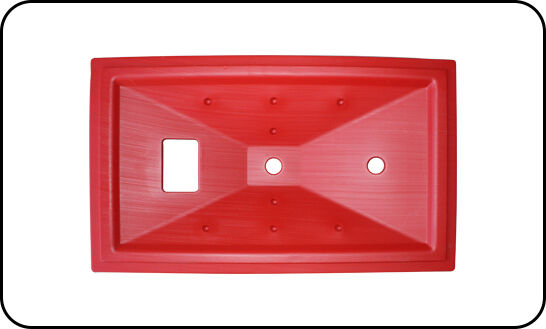
Reserved hole at the top Convenient and practical Humanized porous design During use, ventilate more convenient |
|
Easy to assemble Easy disassembly Easy storage Easy to clean |
![]() |
![]() |
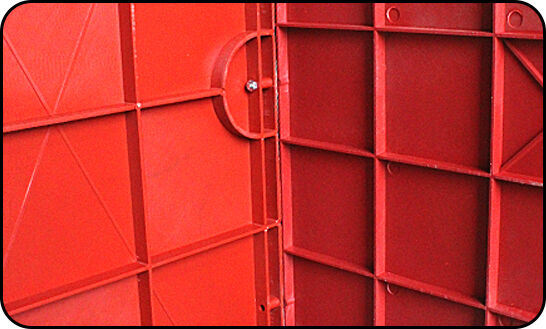
Embedded screw Strong without tripping Sturdy and durable Easy to disassemble |