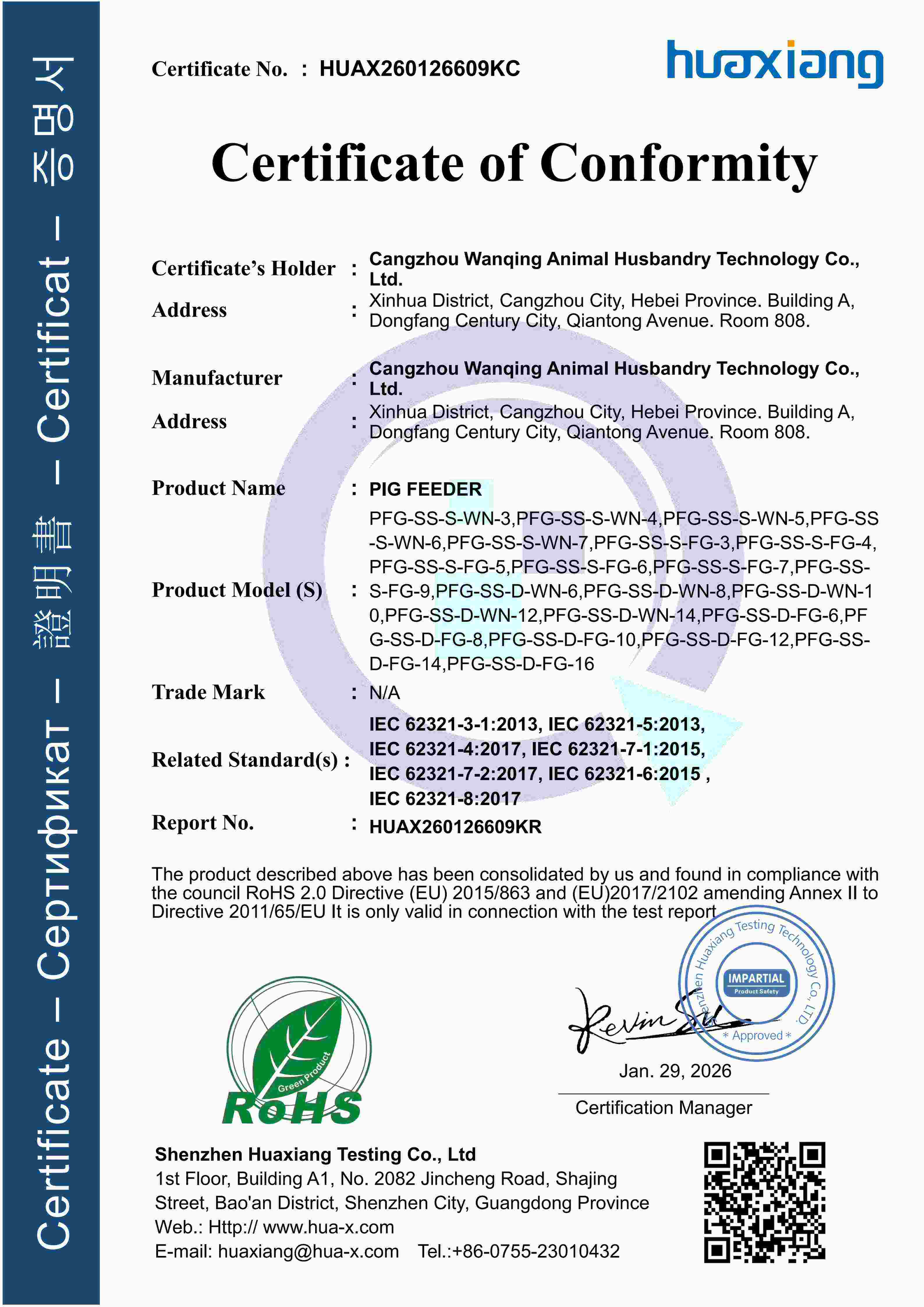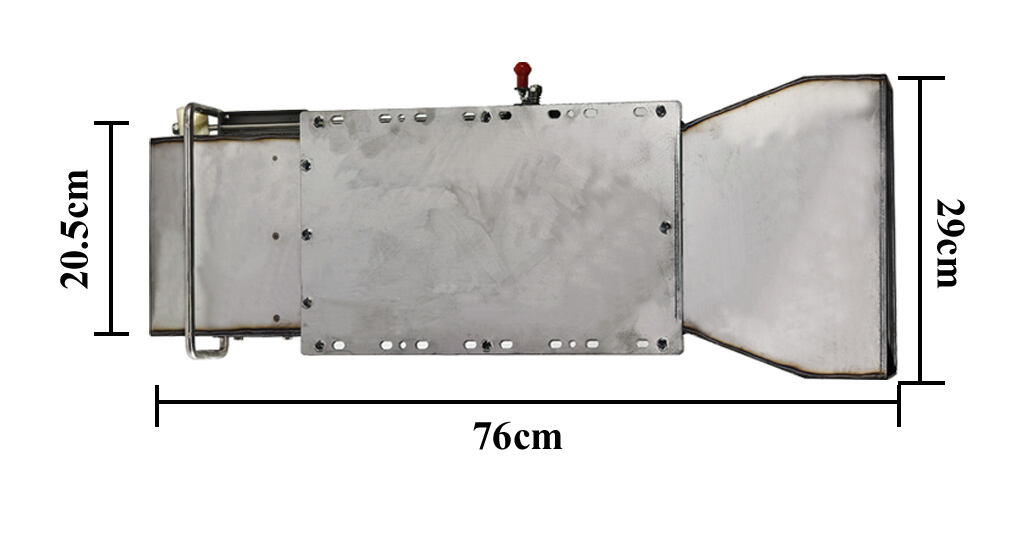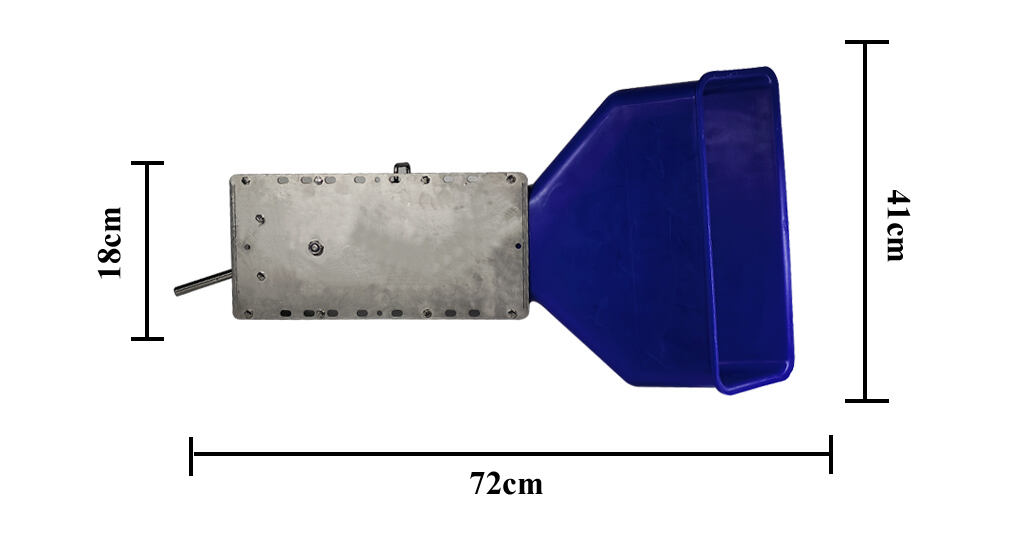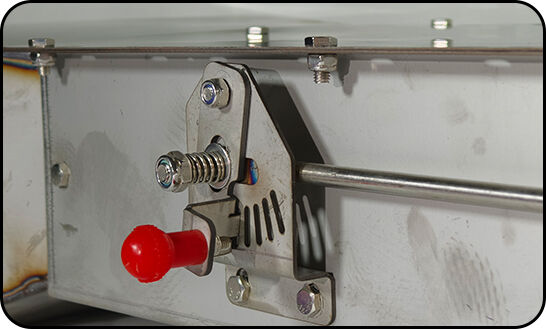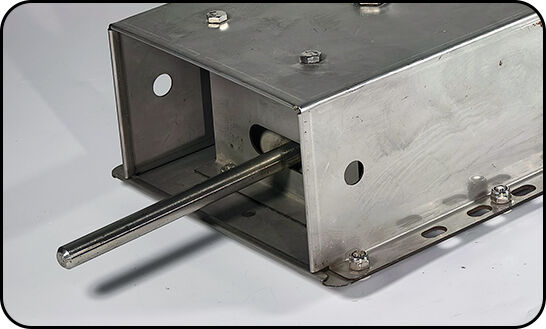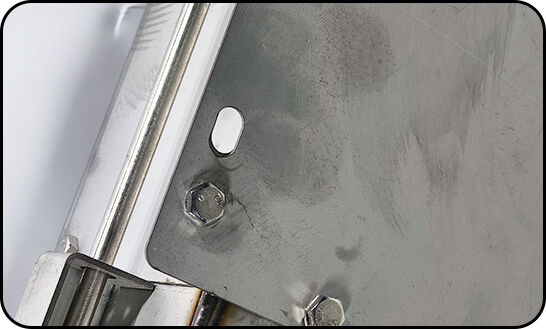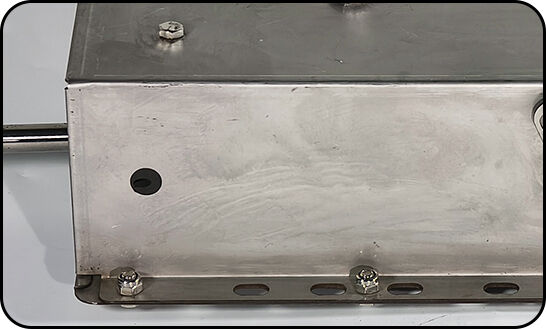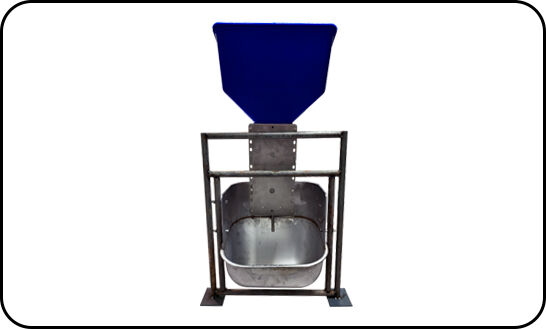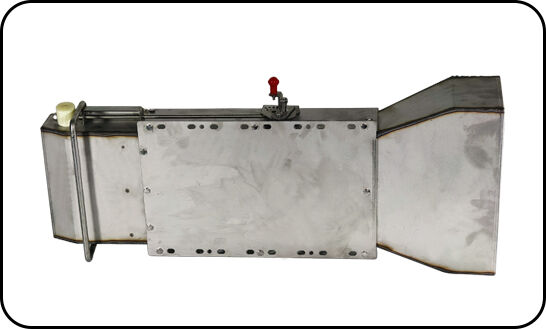

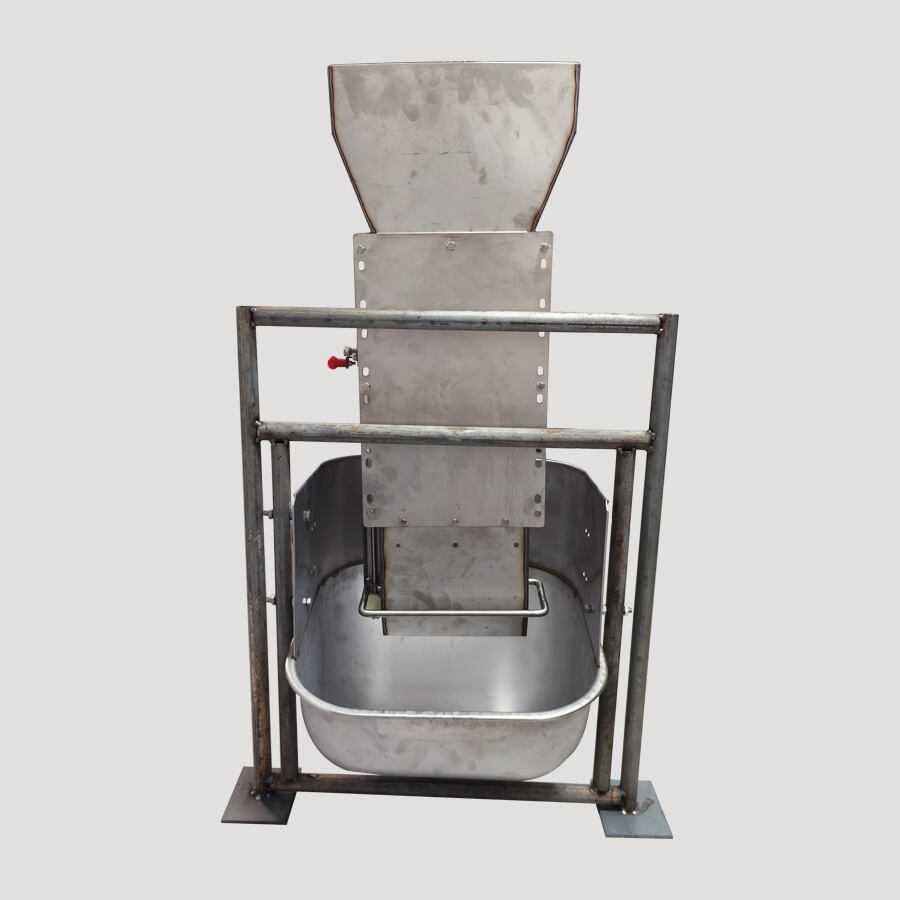
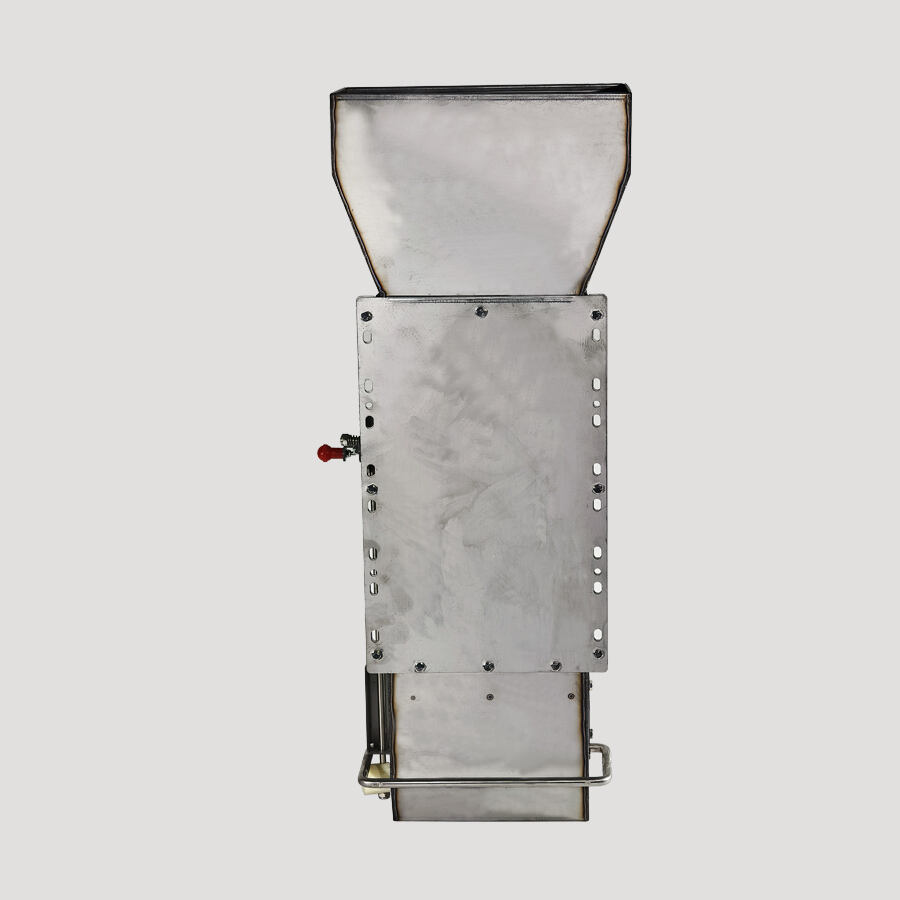
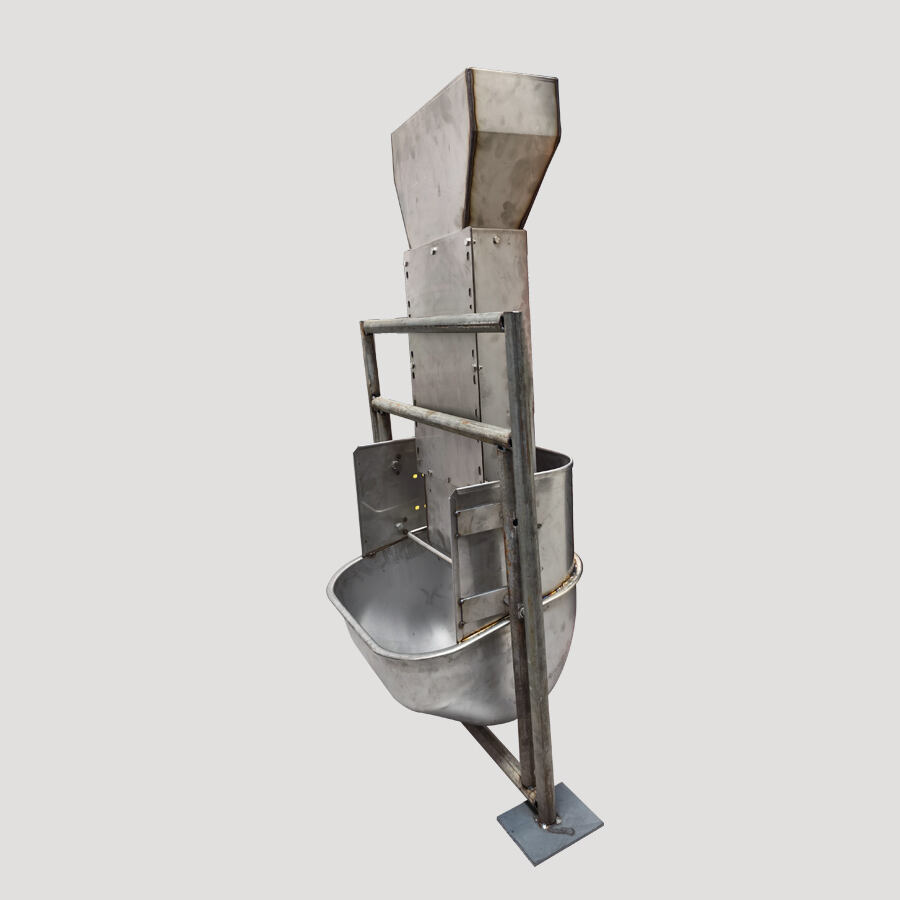
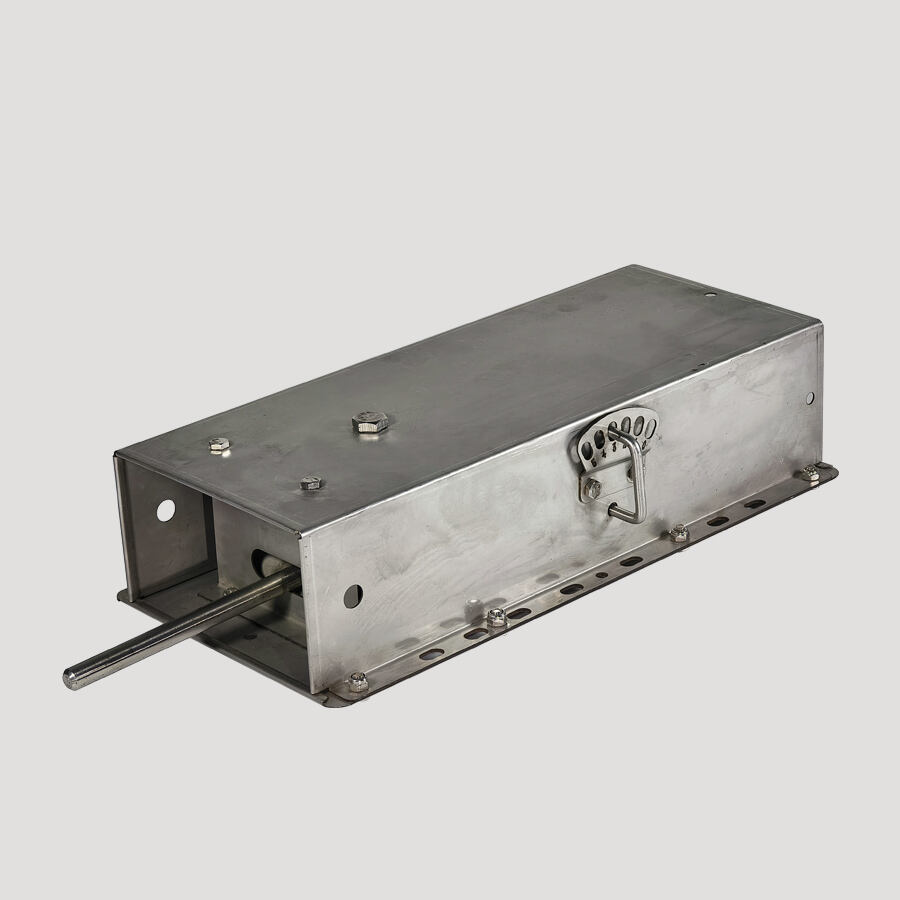
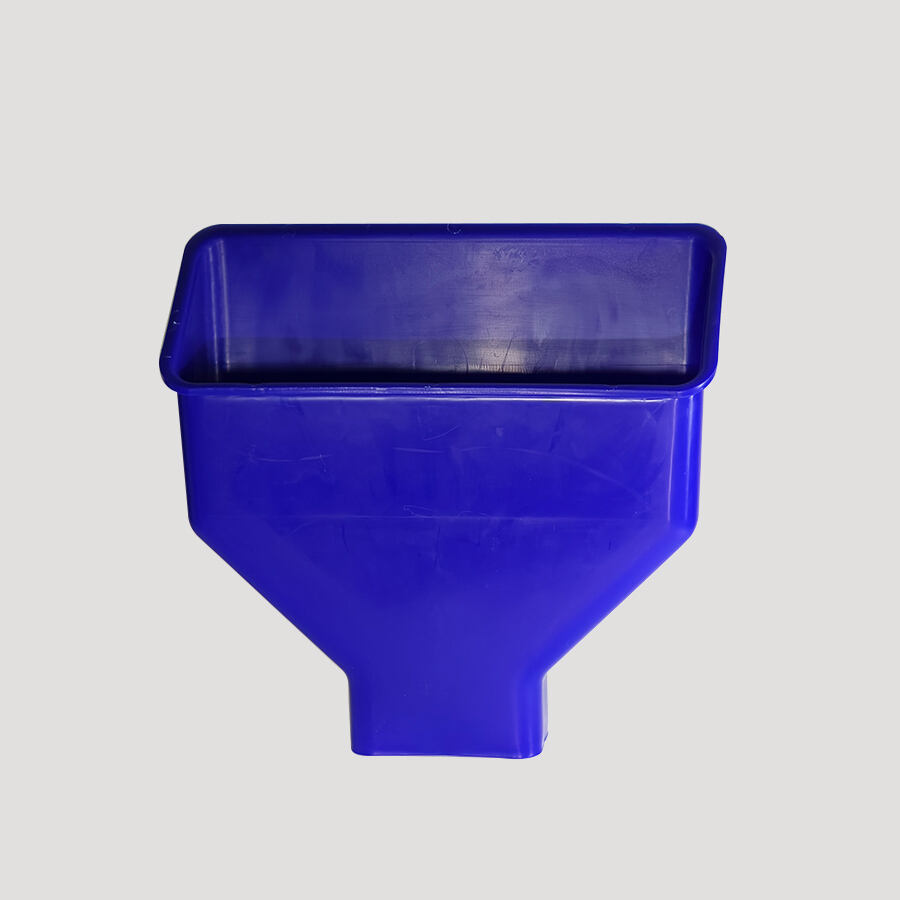
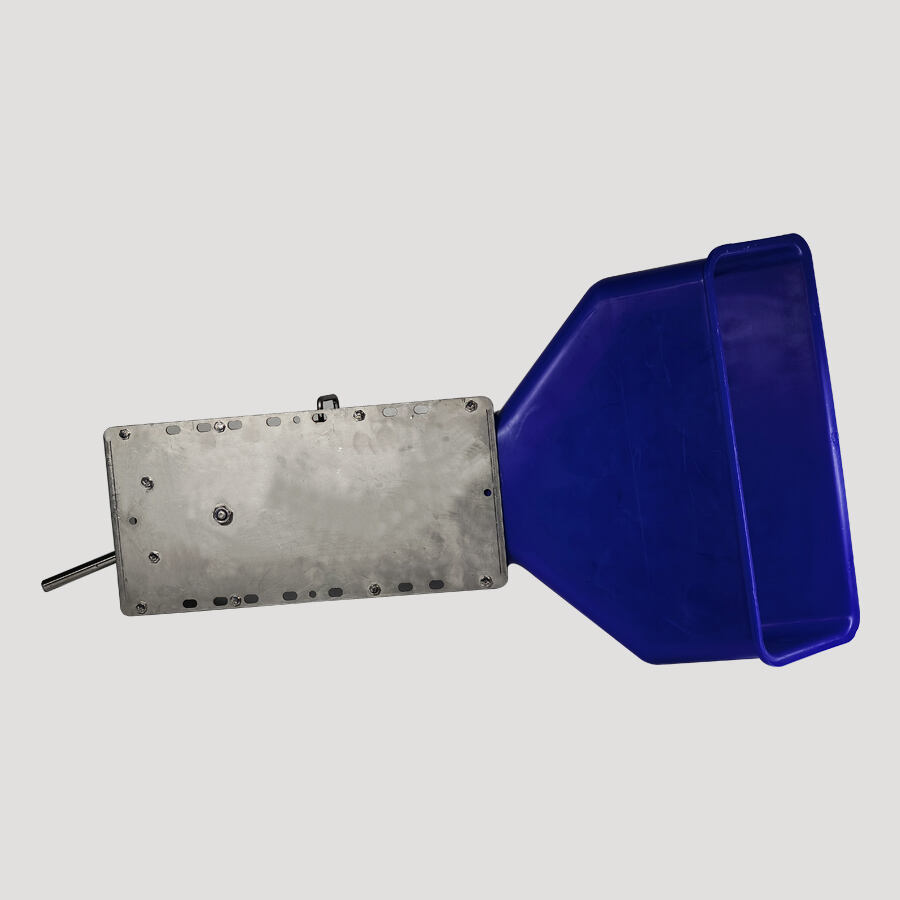
The High Quality Stainless Steel Semi-automatic Feeder for Sow on Fence represents a sophisticated feeding solution engineered specifically for modern swine production facilities that prioritize operational efficiency, animal welfare, and long-term durability in their livestock management systems. This premium feeding apparatus combines the inherent advantages of stainless steel construction with intelligent semi-automatic functionality, creating a robust platform that addresses the complex feeding requirements of breeding sows while maintaining the highest standards of hygiene and operational reliability that commercial pig farming operations demand. The strategic positioning of this feeder system within international B2B sourcing scenarios reflects the growing global emphasis on mechanized livestock equipment that can deliver consistent performance across diverse climatic conditions and operational environments, making it an essential consideration for distributors, agricultural equipment suppliers, and large-scale farming operations seeking to modernize their feeding infrastructure with proven technological solutions.
The foundation of this feeding system lies in its carefully selected stainless steel composition, which provides exceptional resistance to corrosion, chemical degradation, and the harsh environmental conditions commonly encountered in livestock facilities, while simultaneously offering superior cleanability and maintenance characteristics that support stringent biosecurity protocols essential for modern swine production. The manufacturing approach emphasizes precision engineering and robust construction methodologies that ensure dimensional stability and mechanical integrity under continuous operational stress, incorporating advanced fabrication techniques that optimize material utilization while maintaining structural strength throughout the feeder's service life. The surface treatment processes applied to the stainless steel components create a smooth, non-porous finish that inhibits bacterial accumulation and facilitates thorough sanitization procedures, supporting the critical hygiene requirements that define professional livestock management practices and contributing to overall herd health maintenance strategies.
Design considerations for this semi-automatic feeding system encompass a comprehensive understanding of sow feeding behavior, nutritional delivery requirements, and the practical constraints of fence-mounted installation configurations, resulting in an ergonomically optimized solution that minimizes feed waste while maximizing accessibility and operational convenience for farm personnel. The intelligent semi-automatic functionality incorporates mechanical control mechanisms that regulate feed distribution based on predetermined parameters, reducing labor requirements while ensuring consistent nutritional delivery that supports optimal breeding performance and maternal health outcomes. The fence-mounting design philosophy addresses space optimization concerns prevalent in modern swine facilities, allowing for efficient utilization of available infrastructure while maintaining adequate clearances for animal movement and facility maintenance activities.
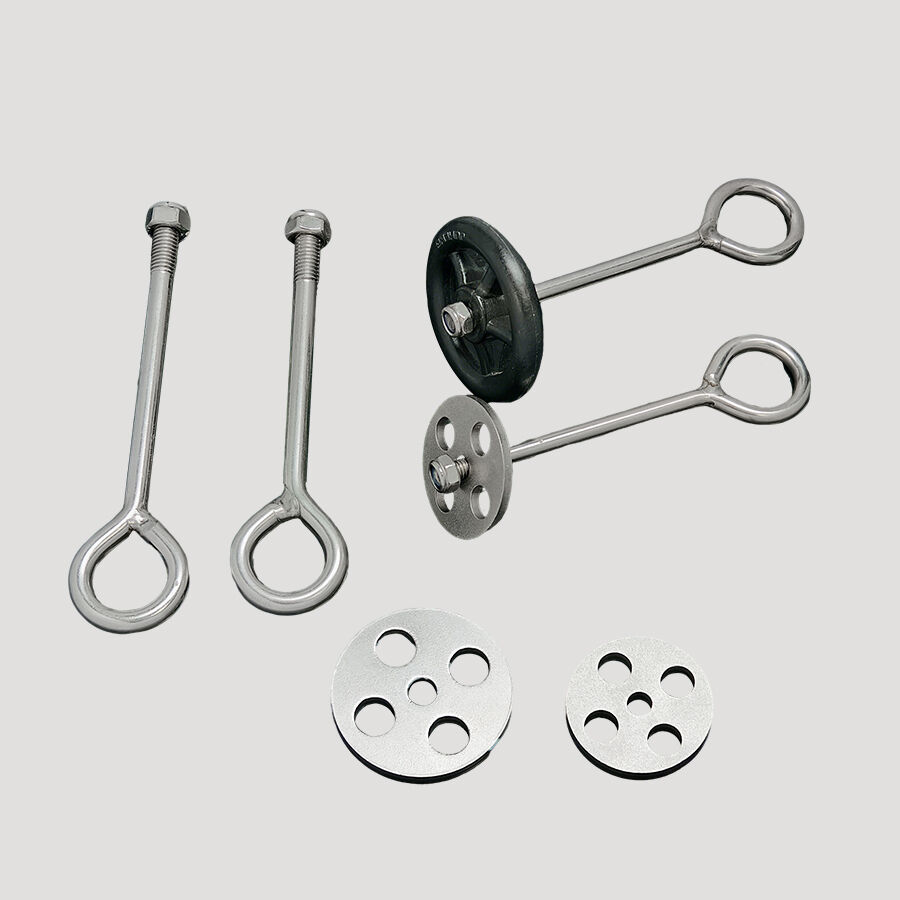
Functional customization possibilities within this feeding platform extend across multiple dimensions, including feed capacity adjustments, dispensing rate modifications, and mounting bracket adaptations that accommodate various fence configurations and installation requirements encountered across different facility designs and operational preferences. The modular design approach facilitates integration with existing feeding systems and allows for scalable implementation strategies that can evolve with changing operational needs and facility expansion plans. Advanced engineering considerations include provisions for easy component replacement, simplified maintenance procedures, and compatibility with standard cleaning and sanitization protocols that support long-term operational sustainability and cost-effective ownership experiences.
Application suitability across different segments of the swine industry encompasses breeding operations, commercial production facilities, research institutions, and specialized breeding programs that require reliable, hygienic feeding solutions capable of supporting intensive management protocols and demanding performance standards. The versatile design parameters accommodate various sow sizes and feeding requirements while maintaining consistent functionality across different genetic lines and production systems, making it an adaptable solution for diverse operational contexts and management philosophies. Integration capabilities with automated feeding networks and monitoring systems provide opportunities for enhanced operational control and data collection that support precision feeding strategies and performance optimization initiatives.
Quality consistency philosophy underlying this feeding system emphasizes rigorous material selection, standardized manufacturing processes, and comprehensive quality assurance protocols that ensure uniform performance characteristics across all production units, supporting the reliability expectations of international customers and long-term partnership relationships. The commitment to manufacturing excellence encompasses continuous process improvement initiatives, advanced quality control methodologies, and systematic feedback integration that drives ongoing product refinement and customer satisfaction enhancement. Export-oriented handling considerations include robust packaging systems, comprehensive installation documentation, and technical support resources that facilitate successful international deployment and operational integration.
Customization collaboration opportunities and OEM cooperation frameworks provide pathways for developing tailored solutions that address specific market requirements, regional preferences, and unique operational challenges encountered by international partners and specialized applications. The collaborative development mindset encompasses technical consultation services, design modification capabilities, and ongoing support relationships that extend beyond initial product delivery to include long-term partnership development and market expansion initiatives. Packaging and logistics compatibility considerations ensure efficient international shipping, reduced handling damage, and simplified installation procedures that support successful market penetration and customer satisfaction objectives across diverse geographical markets and regulatory environments, while long-term supplier cooperation expectations focus on building sustainable business relationships through consistent quality delivery, responsive technical support, and innovative product development that addresses evolving market needs and technological advancement opportunities.