The livestock industry continues to grapple with balancing animal welfare, operational efficiency, and economic sustainability, particularly when it comes to pig farrowing crates. These specialized housing systems have become a focal point of heated debates among farmers, animal welfare advocates, and agricultural policymakers worldwide. Despite growing concerns about animal confinement practices, pig farrowing crates remain widely utilized across commercial swine operations, raising important questions about their necessity, alternatives, and future implementation in modern farming.

Understanding the Purpose and Design of Modern Farrowing Systems
Primary Functions in Commercial Swine Production
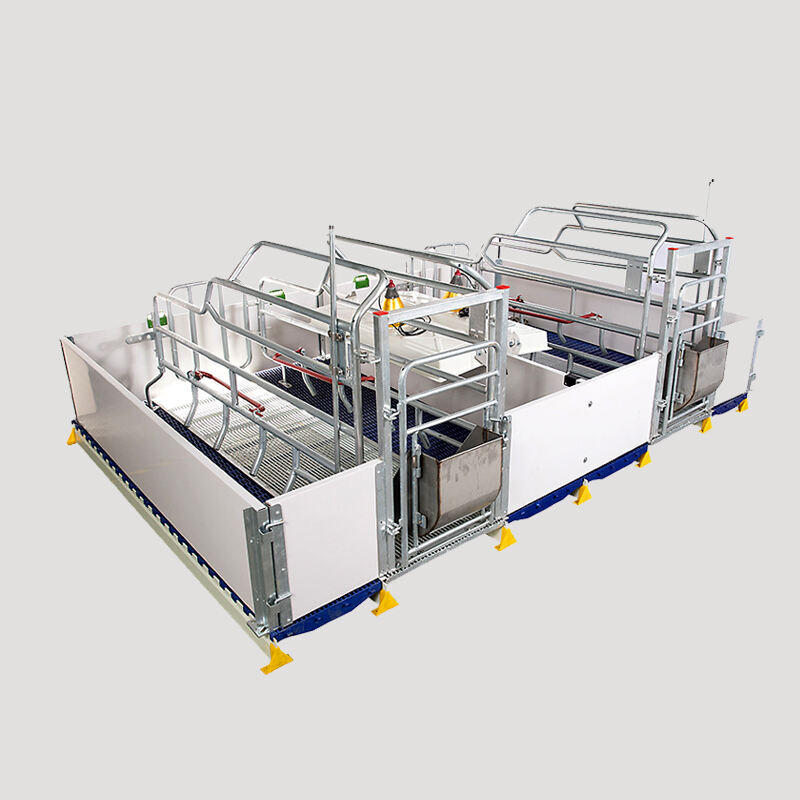
Pig farrowing crates serve multiple critical functions in commercial swine operations, primarily designed to protect newborn piglets during their most vulnerable period. These systems restrict sow movement to prevent crushing incidents, which historically account for significant piglet mortality rates in unconfined environments. The controlled environment allows farmers to monitor sow health, manage feeding schedules, and provide immediate veterinary intervention when necessary. Modern pig farrowing crates incorporate features like adjustable side panels, climate control integration, and specialized flooring systems to optimize both sow comfort and piglet safety.
The economic implications of piglet mortality cannot be understated in commercial operations, where even small improvements in survival rates translate to substantial financial impacts. Industry studies consistently demonstrate that properly managed pig farrowing crates reduce piglet mortality by fifteen to twenty percent compared to group housing systems. This mortality reduction directly affects farm profitability, breeding program efficiency, and overall production sustainability. Additionally, these systems facilitate better record keeping, individual sow monitoring, and targeted nutritional management during the critical lactation period.
Technological Advancements and Design Evolution
Contemporary pig farrowing crates have evolved significantly from their original designs, incorporating advanced materials, ergonomic considerations, and animal behavior research findings. Modern systems feature adjustable confinement levels, allowing gradual movement restriction that accommodates natural farrowing behaviors while maintaining piglet protection. Enhanced ventilation systems, temperature control mechanisms, and specialized flooring materials address previous welfare concerns while maintaining operational efficiency. These improvements reflect the industry's response to welfare criticisms and regulatory pressure for more humane housing solutions.
Innovative manufacturers now offer pig farrowing crates with integrated monitoring technology, including weight sensors, activity trackers, and automated feeding systems. These technological integrations enable precision livestock farming approaches, allowing farmers to optimize individual sow care and early piglet management. Smart farrowing systems can alert caretakers to birthing complications, feeding irregularities, or health issues before they become critical problems. The integration of data analytics helps farmers make informed decisions about breeding programs, genetic selection, and facility management strategies.
Animal Welfare Concerns and Scientific Research
Behavioral Restrictions and Psychological Impacts
Animal welfare scientists have extensively studied the behavioral impacts of confinement in pig farrowing crates, documenting significant restrictions on natural sow behaviors. Confined sows cannot turn around, build nests, or engage in many instinctive maternal behaviors that occur in natural environments. Research indicates that these restrictions may contribute to stress responses, stereotypical behaviors, and reduced overall welfare scores. The inability to express natural behaviors raises ethical questions about the balance between production efficiency and animal well-being in modern agriculture.
Physiological stress indicators in confined sows include elevated cortisol levels, altered immune responses, and changes in reproductive performance over multiple breeding cycles. Long-term confinement studies suggest that repeated exposure to pig farrowing crates may impact sow longevity, breeding success rates, and overall health outcomes. However, these findings must be balanced against mortality reduction benefits and improved veterinary care accessibility in controlled environments. The complexity of welfare assessment requires considering multiple factors beyond movement restriction, including social dynamics, environmental enrichment, and management practices.
Comparative Studies and Alternative Housing Research
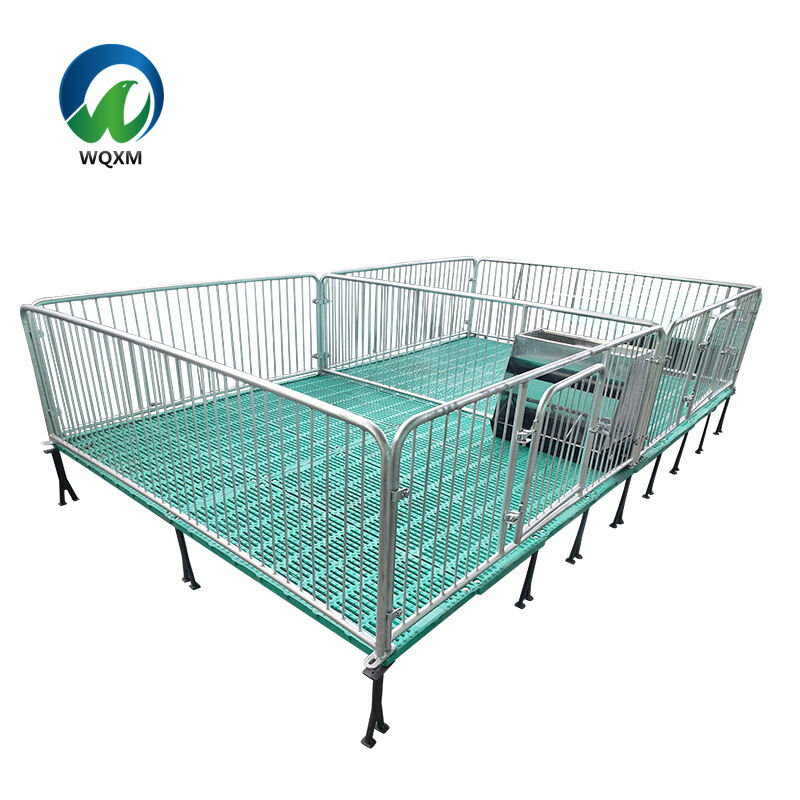
Scientific comparisons between pig farrowing crates and alternative housing systems reveal complex trade-offs between different welfare aspects. Free-range farrowing systems show improved sow behavioral expression but increased piglet mortality, predation risks, and management challenges. Semi-confined systems attempt to balance these competing interests through temporary restriction periods, moveable barriers, and enriched environments. Research continues to explore optimal housing designs that maximize both animal welfare and production efficiency without compromising either objective significantly.
Indoor alternative systems, including group housing with individual farrowing areas, show promise but require substantial infrastructure investments and specialized management expertise. These systems demand higher labor inputs, sophisticated environmental controls, and careful genetic selection for maternal behaviors. Comparative economic analyses suggest that alternative housing systems may require premium pricing structures or government subsidies to remain economically viable for commercial producers. The transition to alternative systems also involves significant learning curves, potential production disruptions, and market acceptance considerations.
Economic Factors and Industry Perspectives
Cost-Benefit Analysis of Current Systems
Commercial swine producers face significant economic pressures that influence housing system decisions, with pig farrowing crates representing substantial capital investments requiring long-term cost justification. Initial facility costs, ongoing maintenance expenses, and operational efficiency considerations all factor into system selection decisions. Traditional pig farrowing crates offer predictable operational costs, established management protocols, and proven production outcomes that support business planning and financial projections. The economic stability provided by these systems remains attractive to producers operating on thin profit margins.
Production efficiency metrics demonstrate that pig farrowing crates enable higher throughput, reduced labor requirements, and more predictable breeding schedules compared to alternative systems. These operational advantages translate to improved return on investment, better cash flow management, and enhanced competitiveness in global pork markets. However, increasing consumer awareness and regulatory pressure may require producers to evaluate long-term sustainability of current housing investments against potential market premiums for welfare-certified products.
Market Demands and Consumer Preferences
Evolving consumer preferences increasingly favor animal welfare considerations in purchasing decisions, creating market opportunities for producers willing to adopt alternative housing systems. Premium pricing for welfare-certified pork products can offset higher production costs, though market penetration remains limited to specific consumer segments. Retail partnerships, certification programs, and supply chain requirements increasingly influence producer housing decisions, potentially accelerating transitions away from conventional pig farrowing crates. Understanding market dynamics helps producers make informed decisions about facility investments and production strategies.
International trade considerations also affect housing system choices, as importing countries may impose welfare-based restrictions or tariffs on products from conventional systems. European Union regulations, California Proposition 12, and similar legislative initiatives create market access requirements that influence global production practices. Producers serving international markets must consider regulatory compliance costs, certification requirements, and potential competitive advantages of early adoption of alternative housing systems. Strategic planning increasingly incorporates welfare considerations alongside traditional production and economic factors.
Regulatory Landscape and Future Developments
Current Legal Framework and Compliance Requirements
Regulatory oversight of pig farrowing crates varies significantly across jurisdictions, creating complex compliance landscapes for multi-state or international operations. Some regions have implemented phase-out timelines for conventional crates, while others maintain minimal space requirements without specific housing mandates. Understanding regulatory trends helps producers anticipate future requirements and plan facility investments accordingly. Compliance costs, inspection protocols, and penalty structures all influence operational decisions and long-term strategic planning for swine operations.
Emerging regulations increasingly focus on performance-based standards rather than prescriptive housing requirements, allowing flexibility in system design while mandating specific welfare outcomes. These approaches recognize the complexity of animal welfare assessment and the need for innovative solutions that address multiple welfare criteria. Regulatory evolution reflects growing scientific understanding of animal behavior, welfare assessment methodologies, and practical implementation challenges facing commercial producers. Staying informed about regulatory developments helps producers make proactive decisions rather than reactive adjustments to changing requirements.
Innovation and Technology Integration
Future developments in pig farrowing crates will likely incorporate advanced technologies, improved materials, and refined designs based on ongoing welfare research and producer feedback. Automated systems, environmental sensors, and artificial intelligence applications may enable more responsive housing that adapts to individual animal needs and behavioral patterns. These technological advances could address welfare concerns while maintaining production efficiency, creating win-win solutions for producers and animal advocates. Investment in research and development remains crucial for advancing housing system innovation.
Collaborative research initiatives between universities, industry organizations, and technology companies are developing next-generation pig farrowing crates that address current welfare criticisms while maintaining economic viability. These partnerships leverage diverse expertise, funding sources, and testing facilities to accelerate innovation timelines and reduce development risks. Public-private collaboration ensures that new technologies meet both commercial requirements and regulatory expectations, facilitating smoother market adoption and industry transformation. Continued investment in research and innovation remains essential for resolving current debates and developing sustainable housing solutions.
FAQ
What are the main alternatives to traditional pig farrowing crates?
The primary alternatives to traditional pig farrowing crates include free-range outdoor systems, indoor group housing with individual farrowing areas, temporary confinement systems that allow movement after farrowing, and semi-confined systems with moveable barriers. Each alternative presents different trade-offs between animal welfare, production efficiency, and economic viability. Producers must carefully evaluate their specific circumstances, market requirements, and regulatory environment when considering alternative housing systems.
How do pig farrowing crates affect piglet mortality rates?
Research consistently demonstrates that properly managed pig farrowing crates reduce piglet mortality by approximately 15-20% compared to unconfined systems, primarily by preventing crushing incidents during the critical first week of life. However, alternative systems with proper design, management, and genetic selection can achieve comparable mortality rates while providing improved sow welfare. The relationship between housing systems and mortality rates depends on multiple factors including facility design, management practices, genetic selection, and environmental conditions.
Are there economic incentives for transitioning away from conventional farrowing crates?
Economic incentives for transitioning away from conventional pig farrowing crates include premium pricing for welfare-certified products, improved market access to welfare-conscious consumers, potential cost savings from reduced medication needs, and compliance with evolving regulatory requirements. However, transition costs, learning curves, and potential production disruptions must be carefully weighed against these potential benefits. Market development for welfare-certified pork products remains limited but continues to grow in specific consumer segments and geographic regions.
What role does genetics play in alternative housing system success?
Genetic selection plays a crucial role in the success of alternative housing systems, as certain sow lines demonstrate superior maternal behaviors, lower aggression levels, and better adaptation to group housing environments. Breeding programs increasingly incorporate behavioral traits, disease resistance, and housing adaptability alongside traditional production characteristics. Producers considering transitions to alternative systems should work with genetic suppliers to select appropriate breeding stock and gradually introduce behavioral traits that support successful implementation of new housing approaches.