 EN
EN

Modern pig equipment has revolutionized the swine industry, transforming traditional farming practices into highly efficient and productive operations. Today's pig farmers face increasing demands for higher production standards, improved animal welfare, and enhanced profitability. Advanced pig equipment addresses these challenges by providing innovative solutions that streamline daily operations, reduce labor costs, and optimize animal health outcomes. The integration of sophisticated pig equipment systems enables farmers to maintain consistent environmental conditions, automate feeding processes, and monitor animal behavior with unprecedented precision. This technological advancement has become essential for commercial pig farming operations seeking to remain competitive in an increasingly demanding agricultural marketplace.
Essential Components of Modern Pig Equipment Systems
Advanced Housing and Containment Solutions
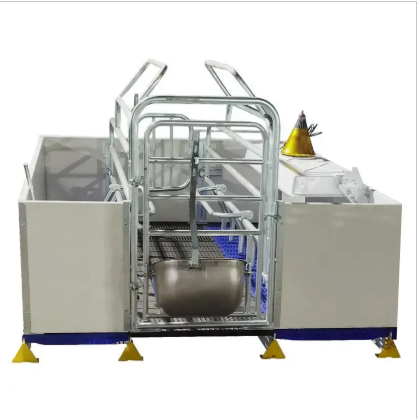
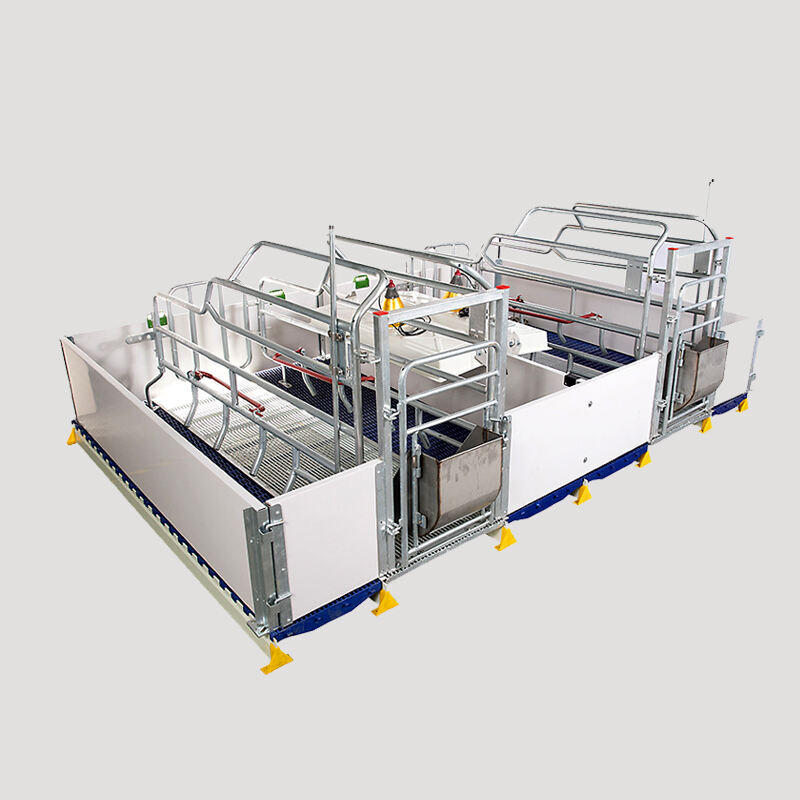
Contemporary pig equipment encompasses a comprehensive range of housing solutions designed to maximize animal comfort while ensuring operational efficiency. Modern farrowing systems represent the pinnacle of pig equipment innovation, incorporating adjustable rails, climate-controlled environments, and ergonomic designs that facilitate easy access for both animals and farm personnel. These specialized housing units feature durable materials resistant to corrosion and wear, ensuring long-term reliability under demanding farm conditions. The integration of modular components allows farmers to customize their pig equipment configurations according to specific operational requirements and available space constraints.
Floor systems constitute another critical component of modern pig equipment, utilizing specially designed surfaces that promote animal health while simplifying cleaning and maintenance procedures. Anti-slip materials and proper drainage systems integrated into pig equipment designs help prevent injuries and reduce the accumulation of waste materials. Ventilation systems incorporated into housing pig equipment ensure optimal air quality, temperature regulation, and humidity control throughout all seasons. These comprehensive housing solutions demonstrate how advanced pig equipment can significantly improve both animal welfare standards and operational productivity.
Automated Feeding and Watering Systems
Precision feeding technology represents a significant advancement in pig equipment design, enabling farmers to deliver exact nutritional requirements tailored to different growth stages and individual animal needs. Modern pig equipment includes sophisticated feed distribution systems that minimize waste while ensuring consistent access to high-quality nutrition. Automated dosing mechanisms integrated into pig equipment systems can adjust feed quantities based on animal weight, age, and production stage, optimizing growth rates and feed conversion efficiency. These intelligent systems reduce labor requirements while maintaining precise control over feeding schedules and portion sizes.
Water delivery systems incorporated into modern pig equipment ensure constant access to clean, fresh water through leak-proof nipple drinkers and flow-regulated dispensers. Advanced pig equipment designs include water filtration and treatment components that maintain water quality standards while reducing contamination risks. Temperature-controlled water systems prevent freezing during winter months and provide cooling effects during hot weather, contributing to animal comfort and health. The integration of monitoring sensors within pig equipment allows farmers to track water consumption patterns and identify potential health issues before they become serious problems.
Technological Innovations in Pig Equipment Design
Smart Monitoring and Control Systems
Digital integration has transformed traditional pig equipment into intelligent farming systems capable of real-time monitoring and automated responses to environmental changes. Modern pig equipment incorporates sensors that continuously track temperature, humidity, air quality, and animal behavior patterns. These sophisticated monitoring systems alert farmers to potential issues before they impact animal health or production efficiency. Data collection capabilities built into pig equipment enable farmers to analyze trends, optimize feeding schedules, and make informed decisions based on comprehensive performance metrics.
Remote control functionality integrated into pig equipment systems allows farmers to adjust settings and monitor conditions from mobile devices or central control stations. This technological advancement in pig equipment design enables rapid response to emergency situations and facilitates efficient management of multiple farm locations. Automated alert systems notify operators of equipment malfunctions, environmental anomalies, or security breaches, ensuring prompt attention to critical situations. The connectivity features of modern pig equipment support integration with farm management software, creating comprehensive operational databases that enhance decision-making capabilities.
Energy-Efficient and Sustainable Solutions
Environmental sustainability has become a driving force in pig equipment development, with manufacturers focusing on energy-efficient designs that reduce operational costs while minimizing environmental impact. Solar-powered components integrated into pig equipment systems provide renewable energy sources for ventilation, lighting, and monitoring functions. Energy recovery systems capture waste heat from animal bodies and equipment operations, redirecting this thermal energy to maintain optimal environmental conditions throughout pig housing facilities.
Water conservation features built into modern pig equipment include recirculation systems, rainwater collection capabilities, and efficient waste management solutions. These sustainable pig equipment designs help farmers comply with environmental regulations while reducing resource consumption and operational expenses. Waste processing components integrated into comprehensive pig equipment systems convert animal waste into valuable byproducts such as fertilizer or biogas, creating additional revenue streams while addressing environmental concerns. The emphasis on sustainability in pig equipment design reflects the industry's commitment to responsible farming practices and long-term operational viability.
Economic Benefits of Advanced Pig Equipment Implementation
Labor Efficiency and Cost Reduction
Investment in modern pig equipment yields significant returns through reduced labor requirements and improved operational efficiency. Automated systems eliminate many time-consuming manual tasks, allowing farm personnel to focus on higher-value activities such as animal health monitoring and strategic planning. The precision capabilities of advanced pig equipment reduce material waste, optimize resource utilization, and minimize the risk of human error in critical farming operations. These efficiency gains translate directly into improved profitability and competitive advantages in the marketplace.
Maintenance costs associated with high-quality pig equipment remain minimal due to robust construction materials and intelligent design features that prevent premature wear and failure. Predictive maintenance capabilities integrated into modern pig equipment systems alert operators to potential issues before they require expensive repairs or cause operational disruptions. The durability and reliability of professional-grade pig equipment ensure consistent performance over extended operational periods, maximizing return on investment for farm owners. Training requirements for pig equipment operation are typically minimal, allowing existing farm personnel to quickly adapt to new technologies without extensive retraining programs.
Production Optimization and Quality Improvements
Strategic implementation of advanced pig equipment creates optimal growing conditions that enhance animal performance, improve feed conversion rates, and accelerate production cycles. Precise environmental control provided by modern pig equipment systems reduces stress factors that can negatively impact animal health and growth rates. Consistent conditions maintained through reliable pig equipment contribute to uniform product quality and predictable production outcomes. These improvements enable farmers to meet strict quality standards required by premium markets and processing facilities.
Data analytics capabilities built into sophisticated pig equipment systems provide valuable insights into production patterns, enabling farmers to identify optimization opportunities and implement targeted improvements. Performance tracking features help operators fine-tune their pig equipment settings to achieve maximum efficiency while maintaining high animal welfare standards. The pig equipment systems also facilitate better inventory management, reduce mortality rates, and improve overall farm profitability through enhanced operational control and monitoring capabilities.
Health and Welfare Advantages of Modern Pig Equipment
Disease Prevention and Biosecurity Enhancement
Advanced pig equipment incorporates sophisticated biosecurity features that significantly reduce disease transmission risks and improve overall herd health outcomes. Specialized materials used in modern pig equipment construction resist bacterial growth and facilitate thorough sanitization procedures. Isolation capabilities built into pig equipment designs enable quick quarantine of sick animals while preventing disease spread throughout the facility. Air filtration systems integrated into pig equipment provide clean, pathogen-free environments that support optimal animal health and reduce veterinary costs.
Hygiene management features incorporated into pig equipment designs streamline cleaning procedures while ensuring thorough decontamination between production cycles. Automated cleaning systems reduce human contact with potentially contaminated surfaces, protecting both animal and worker health. The seamless construction techniques used in quality pig equipment eliminate hiding places for pathogens and parasites, making sanitization procedures more effective and reducing disease pressure within farming operations. These biosecurity enhancements provided by modern pig equipment contribute significantly to sustainable and profitable pig production systems.
Animal Comfort and Behavioral Optimization
Contemporary pig equipment design prioritizes animal welfare by providing comfortable living conditions that allow natural behavioral expressions while maintaining production efficiency. Ergonomic features built into pig equipment accommodate natural postures and movements, reducing stress and promoting positive animal welfare outcomes. Climate control capabilities ensure optimal temperature ranges throughout all seasons, preventing heat stress during summer months and maintaining warmth during winter conditions. These comfort features integrated into pig equipment systems contribute to improved animal performance and reduced mortality rates.
Space optimization achieved through intelligent pig equipment design provides adequate room for movement while maximizing facility utilization efficiency. Enrichment features incorporated into modern pig equipment encourage natural behaviors and reduce aggressive tendencies that can develop in confined environments. Noise reduction technologies built into pig equipment systems create quieter environments that minimize stress and support better rest patterns for animals. The focus on animal welfare in pig equipment development reflects industry recognition that healthy, comfortable animals produce better results and generate higher profits for farm operations.
Selection Criteria for Optimal Pig Equipment
Quality Standards and Certification Requirements
Selecting appropriate pig equipment requires careful evaluation of manufacturing standards, material quality, and certification compliance to ensure long-term performance and regulatory adherence. International quality standards govern pig equipment manufacturing processes, ensuring products meet stringent safety, durability, and performance requirements. Certification programs verify that pig equipment designs comply with animal welfare regulations and environmental protection standards. These quality assurance measures provide confidence that selected pig equipment will deliver reliable performance while meeting ethical and legal obligations.
Material specifications for professional pig equipment emphasize corrosion resistance, structural integrity, and ease of maintenance to ensure extended service life under demanding agricultural conditions. Testing protocols validate pig equipment performance under various environmental conditions and usage scenarios, confirming reliability and safety characteristics. Warranty provisions and after-sales support services reflect manufacturer confidence in their pig equipment quality and demonstrate commitment to customer satisfaction. These quality considerations are essential factors in pig equipment selection decisions that impact long-term operational success and profitability.
Customization and Scalability Options
Flexibility in pig equipment configuration enables farmers to adapt systems to specific operational requirements, facility constraints, and production goals. Modular pig equipment designs allow incremental expansion and modification as farming operations grow and evolve over time. Customization options available for pig equipment systems include size variations, feature selections, and integration capabilities that accommodate diverse farming approaches and management philosophies. This adaptability ensures that pig equipment investments remain valuable as operational needs change and market conditions evolve.
Scalability features built into professional pig equipment systems enable seamless integration of additional components and technologies as farms expand or upgrade their operations. Future-proofing considerations in pig equipment design anticipate technological advances and regulatory changes that may impact farming operations. Compatibility standards ensure that new pig equipment components integrate effectively with existing systems, protecting previous investments while enabling continuous improvement. These planning considerations help farmers make informed pig equipment decisions that support long-term operational success and competitiveness.
FAQ
What factors should be considered when choosing pig equipment for a new farm operation
When selecting pig equipment for new operations, farmers should evaluate production capacity requirements, available space constraints, budget limitations, and long-term growth plans. Quality pig equipment should meet current production needs while providing expansion capabilities for future growth. Climate considerations, local regulations, and available utilities influence pig equipment selection decisions. Professional consultation with pig equipment specialists helps ensure optimal system design and configuration for specific operational requirements.
How does modern pig equipment improve animal welfare compared to traditional housing systems
Advanced pig equipment provides superior environmental control, improved hygiene conditions, and enhanced comfort features compared to conventional housing systems. Modern pig equipment incorporates ergonomic designs that accommodate natural animal behaviors while maintaining production efficiency. Climate control, ventilation, and waste management features built into pig equipment systems create healthier living conditions that reduce stress and disease risks. These welfare improvements often result in better animal performance and reduced veterinary costs.
What maintenance requirements are associated with modern pig equipment systems
Contemporary pig equipment typically requires minimal routine maintenance due to robust construction materials and intelligent design features. Regular cleaning and sanitization procedures maintain pig equipment performance and extend service life. Periodic inspection of moving parts, electrical components, and safety systems ensures reliable operation and prevents unexpected failures. Most pig equipment manufacturers provide detailed maintenance schedules and support services to help farmers optimize system performance and longevity.
How quickly can farmers expect to see return on investment from pig equipment upgrades
Return on investment timelines for pig equipment vary depending on system complexity, operational scale, and existing facility conditions. Most farmers experience immediate benefits through reduced labor requirements, improved efficiency, and enhanced animal performance. Significant cost savings typically become apparent within the first year of pig equipment operation through reduced feed waste, lower mortality rates, and improved production consistency. Long-term financial benefits continue to accumulate as pig equipment systems deliver reliable performance and operational advantages over extended periods.
Table of Contents
- Essential Components of Modern Pig Equipment Systems
- Technological Innovations in Pig Equipment Design
- Economic Benefits of Advanced Pig Equipment Implementation
- Health and Welfare Advantages of Modern Pig Equipment
- Selection Criteria for Optimal Pig Equipment
-
FAQ
- What factors should be considered when choosing pig equipment for a new farm operation
- How does modern pig equipment improve animal welfare compared to traditional housing systems
- What maintenance requirements are associated with modern pig equipment systems
- How quickly can farmers expect to see return on investment from pig equipment upgrades