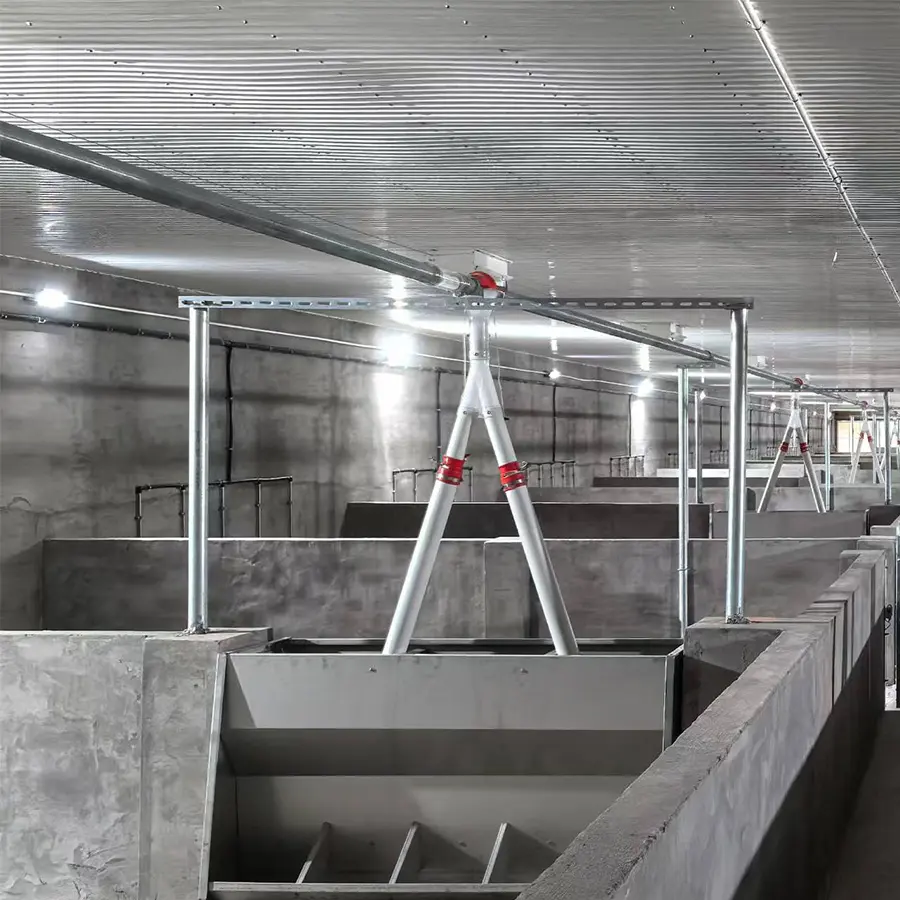
Customized Pig Equipment Solutions:Aligning with Herd Requirements
Calculating Equipment Capacity: Matching Herd Size and Feeding Needs
Selecting the right equipment capacity for pig farms begins with a precise understanding of herd size, average pig weight, and daily feed consumption. For example, feeder sizing should be directly tied to each animal’s daily intake—a practice backed by research from Animal Feed Science and Technology, which confirms that properly sized systems reduce feed waste and streamline operations. Using industry-standard formulas that link feed consumption to pig weight simplifies this decision-making process.
Miscalculations lead to costly inefficiencies: undersized equipment requires constant refilling, while oversized systems waste space and capital. Overloading equipment also increases the risk of breakdowns. By cross-referencing capacity calculations with actual herd data, farmers avoid these pitfalls, ensuring long-term cost savings and uninterrupted daily operations.
Accounting for Swine Growth Stages: Adapting Equipment to Developmental Needs
Piglets, growers, and finishers each have distinct nutritional and spatial requirements that must be reflected in farm equipment design. Newborn piglets, for instance, need smaller feed bowls and confined spaces to support their limited mobility and specialized diets. As pigs mature, equipment should scale with them—adjustable feeders and expandable pens are ideal solutions that accommodate growth without full system overhauls.
Research from the Journal of Swine Health and Production highlights that pigs in rapid growth phases require optimized access to calories and protein. Experienced farmers leverage years of observational data to align equipment setups with these natural growth cycles, resulting in faster weight gain, reduced illness rates, and improved overall herd health—benefits that make both economic and animal welfare sense for pig farm operations.
Spatial Planning for Efficient Feeding Stations: Ensuring Equal Access and Reducing Stress
Strategic layout of feeding stations is critical to ensuring every pig receives adequate nutrition without competition or stress. Poorly designed setups lead to overcrowding, feeder aggression, and uneven growth, as dominant pigs displace smaller or lower-ranked herd members.
Industry best practices recommend staggering feeders along pen perimeters to minimize conflicts, a design validated by reports in the Livestock Science journal. Effective planning also accounts for pigs’ natural movement patterns and growth-related space needs. Field trials confirm that well-placed feeding stations reduce stress-related health issues, improve feed utilization, and boost overall herd productivity—directly translating to higher profitability for farmers.
Building Durable Pig Feeding Systems: Material Selection and Safety Standards
Corrosion-Resistant Materials: Extending Equipment Lifespan in Harsh Farm Conditions
In the demanding environment of pig farms, corrosion-resistant materials are non-negotiable for long-lasting feeding equipment. Stainless steel remains a top choice for its ability to withstand constant exposure to moisture and animal waste, while food-grade plastics offer durability in areas where chemical cleaning is frequent.
Real-world farm data underscores this value: stainless steel feeders often remain functional for five years or more, compared to standard plastic alternatives that require replacement every 1–2 seasons. Investing in corrosion-resistant materials significantly cuts long-term maintenance costs and reduces downtime from equipment failures.
Food-Grade Safety Standards: Preventing Contamination and Protecting Herd Health
Adhering to strict food-grade safety standards is essential to prevent feed contamination and safeguard pig health. Manufacturers must use materials approved for food contact and design equipment to eliminate crevices where bacteria can accumulate. Non-compliance risks not only livestock illness but also severe financial penalties for farms.
Certifications like NSF and USDA approval serve as trusted markers of quality, indicating that equipment meets rigorous safety and performance benchmarks. Most experienced pig producers prioritize these certifications, recognizing them as a guarantee of equipment reliability and long-term herd protection.
Hygienic Design: Minimizing Disease Transmission Risks
Feeding system design directly impacts disease spread within herds. Optimal designs feature smooth, crevice-free surfaces for easy cleaning and integrated drainage to prevent waste buildup around feeders. A recent study of pig farms across China found that facilities with upgraded hygienic feeding equipment saw a 30% reduction in respiratory illness cases compared to traditional setups.
Veterinarians specializing in swine production emphasize that simple design adjustments—such as rounded edges and detachable components—dramatically improve biosecurity. These changes reduce pathogen harboring, keeping herds healthier and lowering veterinary costs over time.
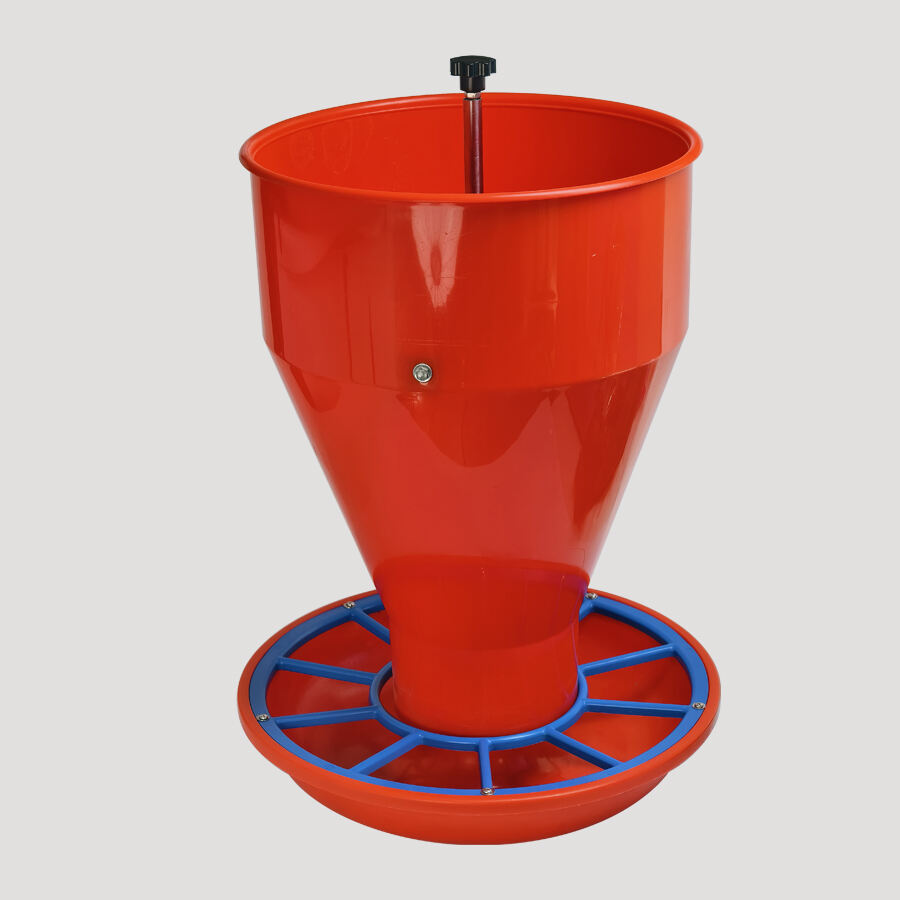
Engineering Efficient Feed Distribution Mechanisms
Gravity-Fed Systems: Cutting Waste and Ensuring Even Feed Access
Gravity-fed feed distribution systems are proven to minimize waste and promote equitable access to feed across herds. By leveraging gravity to deliver a consistent flow of feed, these systems eliminate spillage and ensure smaller pigs can eat without being displaced by larger herd members.
Field observations from hog producers confirm that switching to gravity-fed setups reduces feed losses by approximately 30%. This translates to direct cost savings for farmers while simplifying daily feeding routines and making operations more predictable.
Adjustable Flow Controls: Optimizing Feed Utilization Across Feed Types
Adjustable flow controls are critical for tailoring feed delivery to different feed formulations and pig growth stages. These controls allow precise regulation of feed output, which directly improves feed conversion ratios—ensuring pigs receive the exact nutrition they need without excess waste.
Modern digital flow control systems further enhance efficiency, with features that automate adjustments and track feed usage in real time. Many farms report significant labor savings with these smart systems, as workers spend less time manually regulating feed and more time monitoring herd health.
Mitigating Competitive Feeding Behavior: Promoting Equitable Growth
Aggressive feeding behavior undermines herd health and growth rates, as dominant pigs consume more than their share, leaving submissive animals undernourished. Engineering solutions—such as individual feeding stations or grouped pen designs—reduce competition and ensure every pig gets adequate nutrition.
Research links feeder design to calmer feeding patterns and healthier herd dynamics. When pigs can eat without conflict, individual growth rates improve, and the entire herd experiences lower stress levels, leading to better overall performance and profitability.
Creating Low-Maintenance Pig Equipment Solutions
Quick-Clean Component Designs: Saving Time and Boosting Hygiene
Equipment designed for quick, thorough cleaning is a game-changer for pig farm efficiency and biosecurity. Features like smooth, crevice-free surfaces, tool-free detachable parts, and integrated drainage reduce cleaning time significantly, allowing workers to focus on high-priority tasks instead of scrubbing.
Farmers using quick-clean setups report increased daily productivity, while research confirms that cleaner pens correlate with healthier pigs and higher yields. This design approach turns routine cleaning from a labor-intensive chore into a fast, streamlined process.
Accessible Refill Systems: Cutting Labor Costs and Enhancing Efficiency
Automated feed refill systems drastically reduce labor requirements on pig farms, from gravity-fed models that deliver feed passively to sensor-equipped setups that monitor and adjust levels in real time. Fully automated systems operate independently once calibrated, eliminating the need for manual feeder checks and refills.
Farmers who adopt these solutions often cut labor expenses by 50% or more, reallocating saved hours to critical tasks like herd health monitoring and equipment maintenance. This not only improves operational efficiency but also reduces the risk of human error in feed management.
Weather-Resistant Construction: Protecting Equipment and Minimizing Downtime
Weather-resistant equipment is an investment in long-term durability and cost savings. Constructed from materials like galvanized steel or UV-stabilized polyethylene, these systems withstand extreme temperatures, constant moisture, and harsh environmental conditions.
Research shows that weather-proofed equipment requires half as much maintenance as standard models, reducing repair costs and downtime. For farmers, this means uninterrupted operations across all seasons, protecting their investment and ensuring consistent herd performance year-round.
Scalable Designs for Every Farming Operation Size
Modular Systems: Seamless Expansion for Growing Farms
Modular equipment systems are the preferred choice for expanding pig farms, offering unmatched flexibility to scale operations without full infrastructure overhauls. Farmers can add or rearrange modules as needed, minimizing disruptions to daily feeding and care routines.
A Iowa-based pig farm exemplifies this success: last year, the operation doubled its herd size by installing a modular system, avoiding the need to rebuild its entire barn complex. While some producers cite concerns about long-term maintenance costs compared to traditional construction, the adaptability and minimal downtime of modular systems make them a cost-effective solution for growth-focused farms.
Compact Solutions: Maximizing Efficiency for Small-Scale Producers
Small-scale pig farmers increasingly rely on compact equipment designs to optimize limited space and resources. Vertical-stacking feeders, foldable components, and space-saving water systems allow these operations to maintain efficiency without sacrificing performance.
A 2022 study found that 40% of family-owned farms in the Midwest had adopted compact setups, enabling them to run cost-effectively while meeting production targets. For small producers, these solutions balance functionality and affordability, making sustainable pig farming accessible to operations of all sizes.
High-Volume Industrial Configurations: Optimizing Large-Scale Operations
Industrial pig farms require specialized, tech-integrated equipment to manage thousands of pigs efficiently. These setups include automated feeders with precise portion control, climate-controlled housing systems, and massive silos with advanced metering to minimize waste. Automated waste management further streamlines operations, reducing labor demands and improving biosecurity.
Industry data shows that industrial farms with these configurations achieve approximately 30% better feed utilization rates compared to conventional setups. For large-scale operations, these systems are not just a convenience—they are essential to maintaining productivity, herd health, and profitability in competitive markets.
FAQ
Why is it important to calculate equipment capacity based on herd size?
Calculating equipment capacity ensures systems meet the herd’s exact needs, preventing feed waste, frequent breakdowns, and operational inefficiencies that erode profitability.
How do swine growth stages affect equipment choice?
Each growth stage (piglet, grower, finisher) has unique nutritional and spatial needs. Equipment must adapt to these stages to support optimal growth, reduce illness, and maximize feed efficiency.
What are the benefits of using corrosion-resistant materials in pig feeding systems?
Corrosion-resistant materials extend equipment lifespan, reduce maintenance costs, and withstand the harsh, moist conditions of pig farms, ensuring long-term reliability.
What is the significance of modular systems in expanding pig farms?
Modular systems allow farms to scale operations seamlessly, adding or reconfiguring components without disrupting daily routines—eliminating the need for costly, time-consuming full infrastructure overhauls.
 EN
EN